


In the complex machinery of a living cell, energy is not merely "used"; it is transformed through precise chemical movements. One of the most fundamental ways cells manage energy is through oxidation-reduction (redox) reactions. These reactions involve the movement of electrons from one molecule to another, a process that serves as the primary driver for much of the metabolic work required to sustain life.
The Nature of Redox Reactions
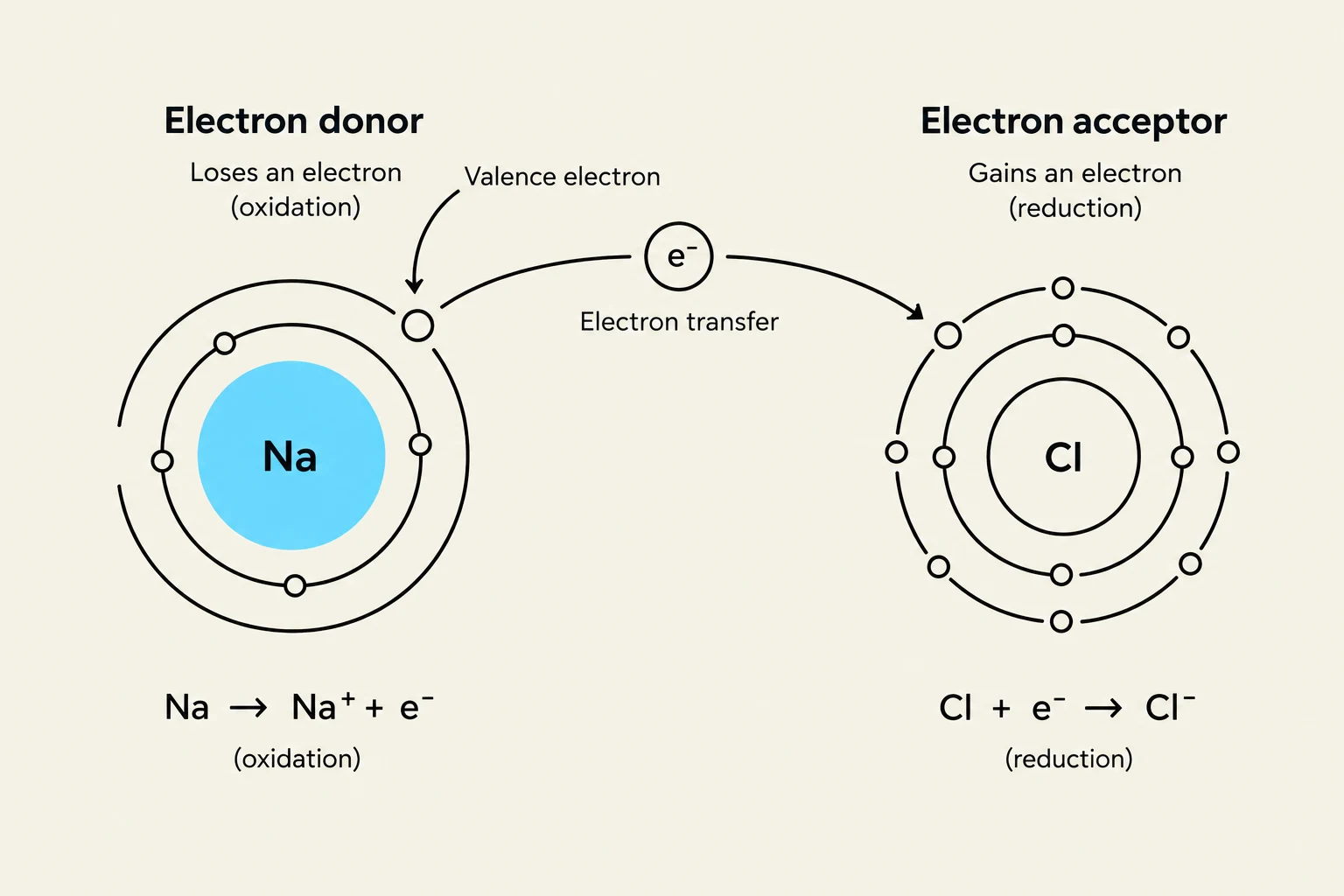
At its core, a redox reaction is a dance of electrons. When a molecule loses electrons, it undergoes oxidation; when a molecule gains electrons, it undergoes reduction. This electron transfer is not random. In biological systems, electrons tend to flow from molecules with high potential energy to those with lower potential energy, much like water flowing downhill.
To understand which way these electrons will move, scientists use a quantitative measure called reduction potential (), also frequently referred to as redox potential. This value tells us how much a particular chemical species "wants" to be reduced (gain electrons).
Exam Tip: Remember that the term "reduction potential" describes the tendency to gain electrons. A high, positive potential means the molecule is a "hungry" electron acceptor, while a low, negative potential means the molecule is an electron donor.
Reducing Agents vs. Oxidizing Agents
Based on their reduction potentials, we can categorize molecules into two functional groups:
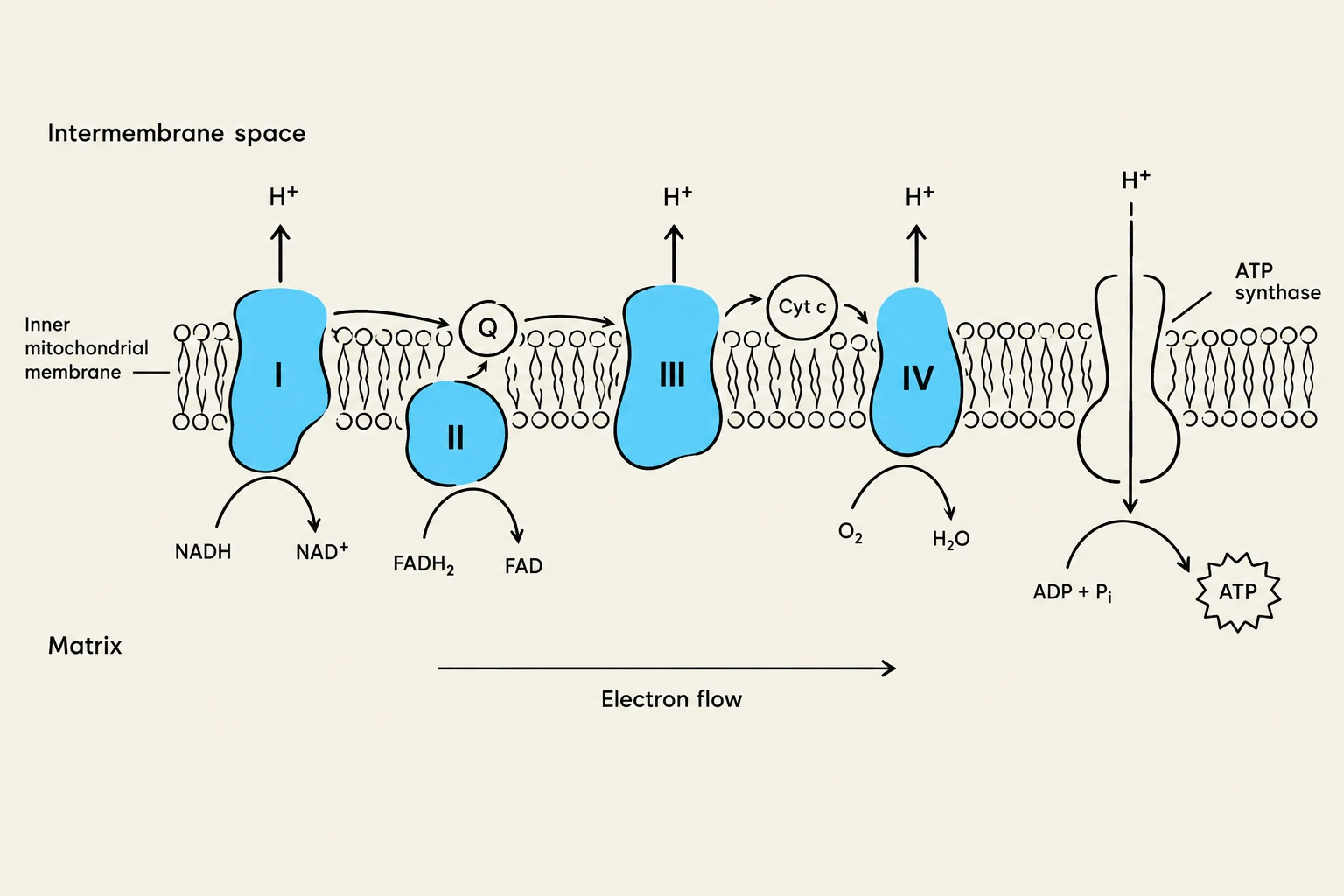
- Reducing Agents: These are substances that donate electrons to other molecules. Because they give electrons away, they themselves become oxidized. Reducing agents possess a lower, more negative . In the context of cellular respiration, the electron carriers NADH and FADH are quintessential reducing agents.
- Oxidizing Agents: These are substances that accept electrons. Because they take electrons, they themselves undergo reduction. Oxidizing agents possess a higher, more positive . A primary example in aerobic organisms is molecular oxygen (O), which acts as the final electron acceptor in the electron transport chain.

Keep reading for free.
Create an account to finish this reading and make it part of your study routine.
Continue reading freeAlready have an account? Log in
Updated