This content explains the biochemical process of drug metabolism, focusing on the cytochrome P-450 system and its role in drug interactions. It also details the assessment of hepatic and renal function, the pathophysiology of Type 1 and Type 2 diabetes, metabolic emergencies like DKA and HHS, and the pharmacological ma
Understanding how the body processes medications and manages glucose is fundamental to safe nursing practice. Metabolism, or biotransformation, is the biochemical process where drugs are altered within the body. This process primarily occurs in the liver, though the kidneys, lungs, and intestinal mucosa also play significant roles. The main goal of metabolism is to convert lipid-soluble drugs into water-soluble, polar compounds, which allows the kidneys to eliminate them more easily.
The Biochemistry of Drug Metabolism
The liver utilizes a specialized system of enzymes known as the cytochrome P-450 (CYP450) system to facilitate biotransformation. Depending on the drug, metabolism can result in several outcomes: the production of inactive metabolites, the creation of less active forms, or the conversion of a "prodrug" into a more potent active metabolite.
Because the P-450 system is responsible for processing many different substances, it is a primary site for critical drug-drug interactions. These interactions generally fall into two categories:
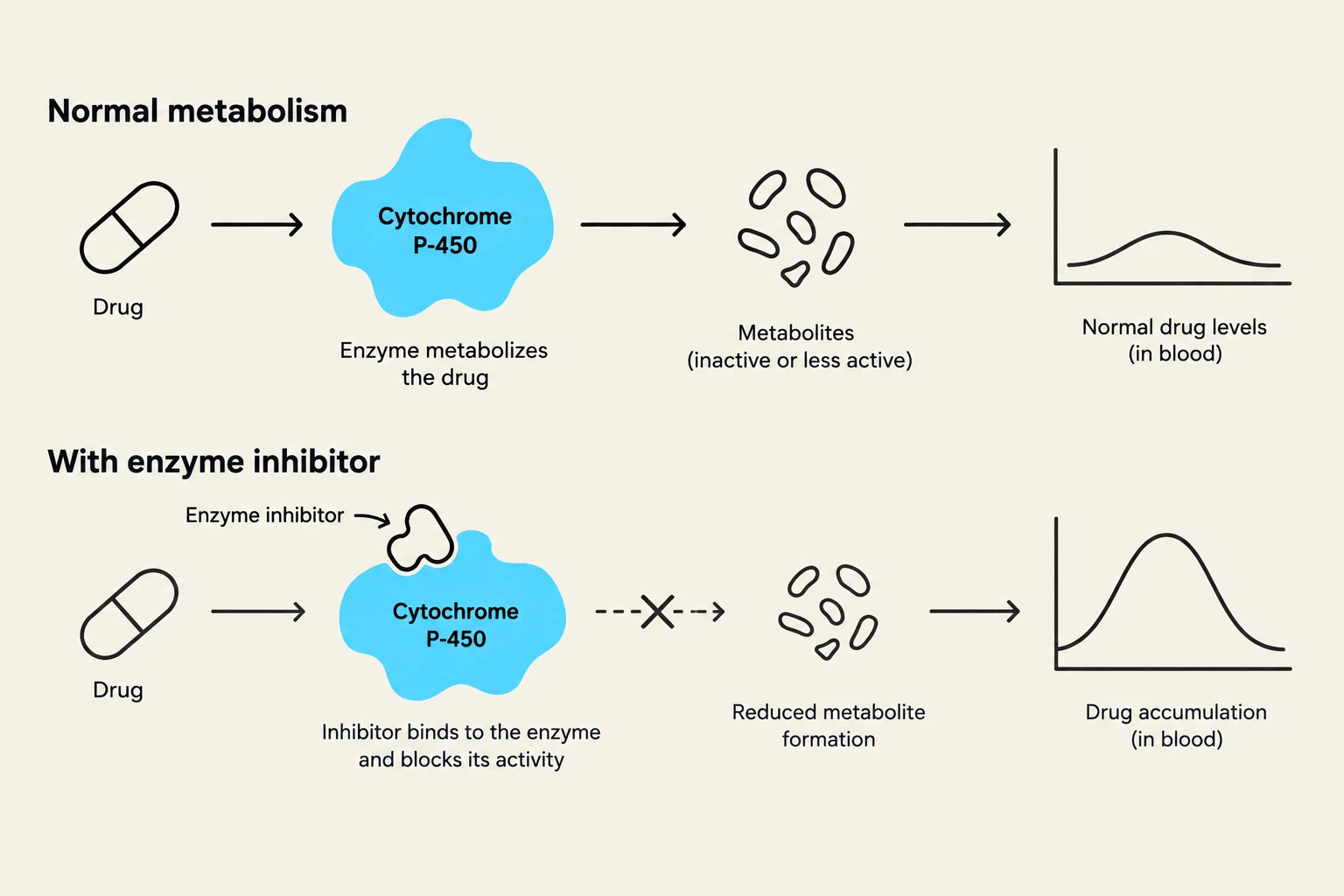
Enzyme Inhibitors: These substances decrease the rate of metabolism, leading to drug accumulation in the bloodstream and a high risk of toxicity.
Enzyme Inducers: These substances increase the rate of metabolism, which can lead to reduced drug effectiveness because the medication is cleared from the body too quickly.
This diagram illustrates how Cytochrome P-450 enzymes metabolize drugs. In normal metabolism, drugs are broken down into metabolites, leading to normal drug levels in the blood. When an enzyme inhibitor is present, it blocks the activity of Cytochrome P-450, reducing metabolite formation and causing drug accumulation in the blood.
Exam Tip: When assessing an older adult, remember the "start low, go slow" principle. Age-related decreases in liver mass, blood flow, and enzyme activity increase the risk of toxic drug buildup.
Assessing Hepatic and Renal Function
Since the liver and kidneys are the primary organs for metabolism and excretion, nursing assessment must focus heavily on their functional status.
Hepatic Function
To evaluate the liver's ability to metabolize drugs, clinicians monitor Hepatic Function Tests (HFTs). Key markers include:
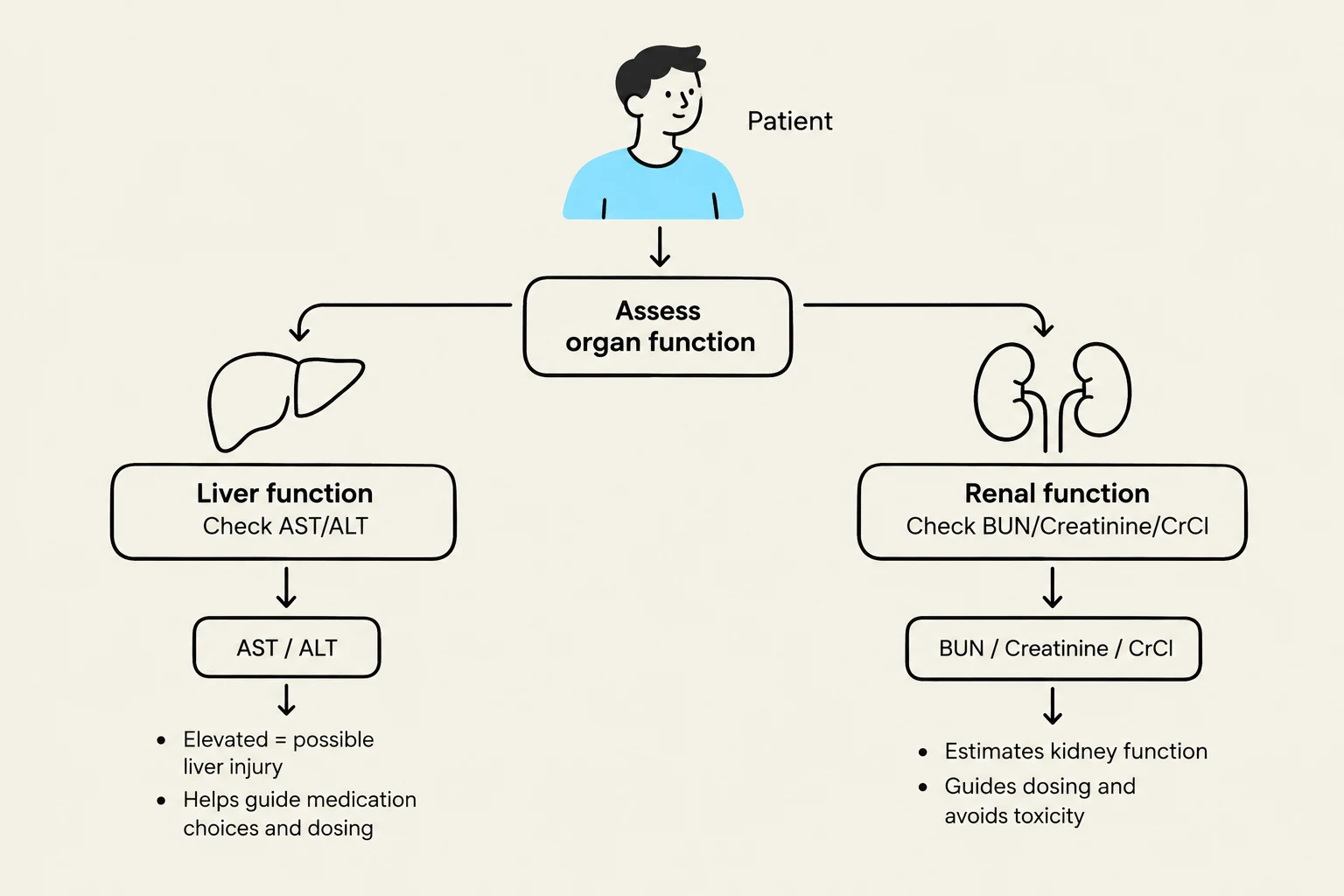
AST and ALT: ALT is considered more liver-specific. An AST/ALT ratio greater than 1.0 may indicate alcoholic liver disease.
Other markers: Total protein, serum bilirubin, alkaline phosphatase, creatinine phosphokinase, and lactate dehydrogenase (LDH).
Renal Function
Impaired renal function slows drug excretion, which can lead to toxicity. While serum creatinine is a common marker, it can be misleading in older adults due to decreased muscle mass. Therefore, the most accurate method for assessing renal function is a 24-hour urine collection for creatinine clearance (CrCl). Note that CrCl typically declines by approximately 6.5 mL/min per decade after age 20.
This diagram illustrates the assessment of organ function, specifically liver and renal function, by checking relevant biomarkers like AST/ALT for the liver and BUN/Creatinine/CrCl for the kidneys. It also explains the implications of elevated liver enzymes and the benefits of monitoring kidney function for medication management and toxicity avoidance.
Pathophysiology of Diabetes Mellitus
Diabetes is a multisystem vascular, neurologic, and metabolic process. It is categorized primarily into Type 1 and Type 2, each with distinct pathophysiological mechanisms.
Type 1 vs. Type 2 Diabetes
Feature
Type 1 Diabetes
Type 2 Diabetes
Pathophysiology
Pancreas produces little or no insulin
Insulin resistance and inadequate insulin response
Onset
Most common childhood disorder
Typically later in life
Initial Treatment
Insulin therapy is required
Diet, exercise, and potentially Metformin
DKA Risk
High risk
Less common
Metabolic Emergencies: DKA and HHS
Patients with diabetes are at risk for life-threatening metabolic crises.
Diabetic Ketoacidosis (DKA) is most common in Type 1 diabetes and is characterized by uncontrolled hyperglycemia, metabolic acidosis, and increased ketones due to insulin deficiency. Classic signs include the "3 Ps" (polyuria, polydipsia, polyphagia), fruity breath, and Kussmaul respirations (deep, rapid breathing).
Hyperosmolar Hyperglycemic State (HHS) is more common in older adults with Type 2 diabetes. It involves extreme hyperglycemia (often >600 mg/dL) and severe dehydration, but ketones and acidosis are typically absent because some insulin is still present.
Critical Nursing Alert: In DKA, insulin therapy causes potassium to shift from the blood into the cells, which can lead to rapid, dangerous hypokalemia. Monitor electrolytes and cardiac rhythms closely.
Pharmacological Management of Diabetes
Insulin Therapy
Insulin is essential for Type 1 and used in Type 2 when lifestyle and oral agents are insufficient.
Rapid-Acting (e.g., Humalog, NovoLog): Onset 15 mins; give with or 10–15 mins before meals.
Short-Acting (Regular): Onset 30–60 mins; give 30 mins before meals.
Long-Acting (Basal, e.g., Lantus): No peak; steady release for 24–26 hours; cannot be mixed with other insulins.
Oral and Injectable Agents
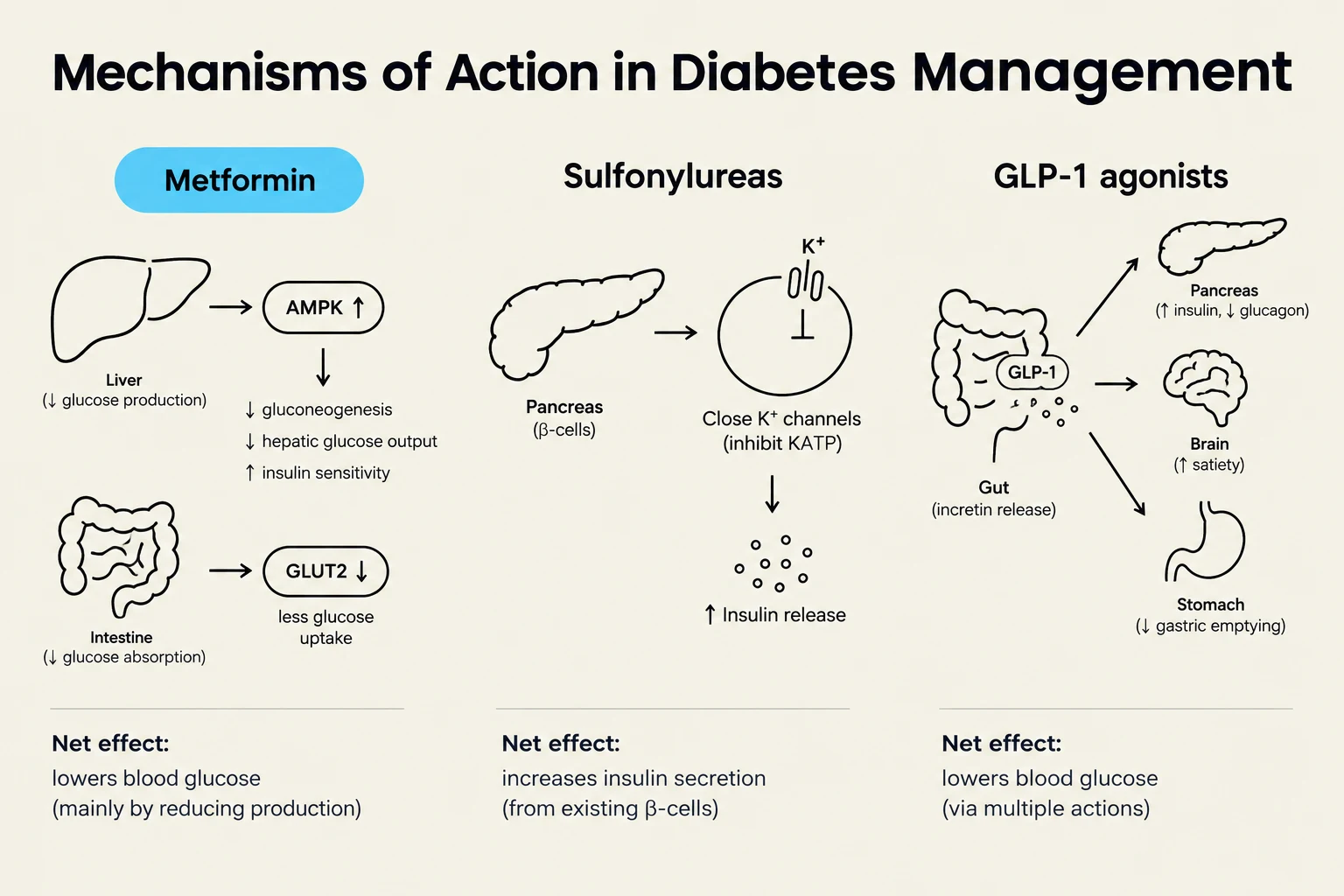
Metformin (Biguanide): The first-line drug for Type 2 diabetes. It decreases hepatic glucose production and improves insulin sensitivity. Contraindication: Do not use if creatinine clearance is <30 mL/min or if the patient is receiving iodine-containing radiologic contrast.
Sulfonylureas (e.g., Glipizide): Stimulate the pancreas to release insulin. The primary side effect is hypoglycemia.
GLP-1 Receptor Agonists (Incretin Mimetics, e.g., Semaglutide): Mimic natural incretin hormones to increase insulin secretion and slow gastric emptying. These can provide significant cardiovascular benefits.
Diagram illustrating the mechanisms of action for Metformin, Sulfonylureas, and GLP-1 agonists in managing diabetes by affecting glucose production, insulin secretion, and glucose absorption.
Managing Hypoglycemia
Hypoglycemia is defined as blood glucose <70 mg/dL. Symptoms can be remembered by the mnemonic HIWASH: Headache, Irritable, Weakness, Anxious, Sweaty, Shaky, and Hungry.
If the patient is awake and able to swallow, use the Rule of 15:
Give 15 g of a simple carbohydrate (e.g., juice).
Recheck blood glucose in 15 minutes.
If still low, repeat the process.
If the patient is unconscious, administer IV D50 (dextrose 50%).
Metabolic Syndrome
Metabolic syndrome is a cluster of risk factors that increase the likelihood of cardiovascular disease and Type 2 diabetes. Key markers include:
Blood Pressure: Systolic >130 mmHg.
Lipids: Triglycerides >150 mg/dL or HDL <40 mg/dL.
Glucose: Fasting blood glucose >100 mg/dL.
Waist Circumference:>35 inches for females or >45 inches for males.
Keep reading for free.
Create an account to finish this reading and make it part of your study routine.