


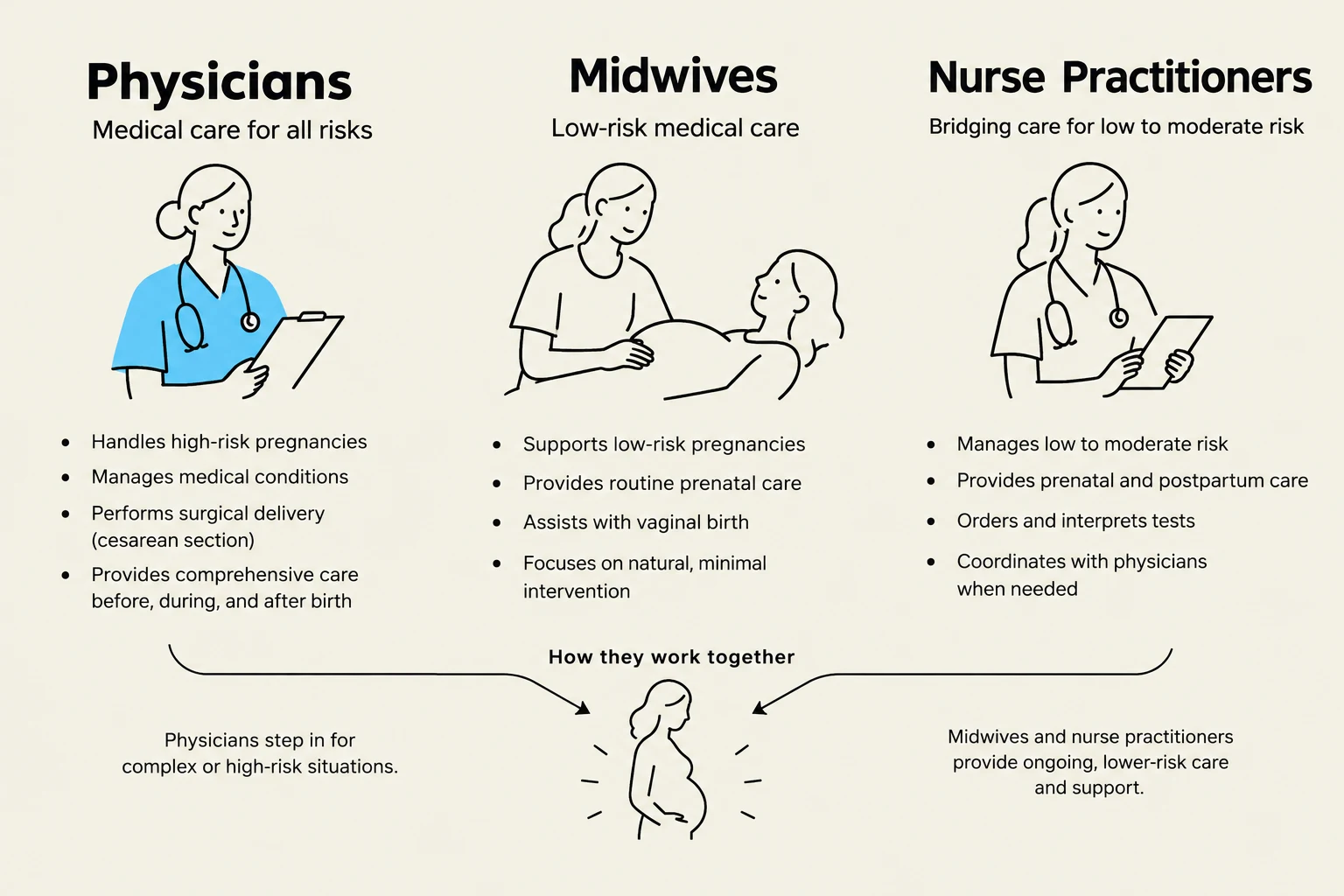
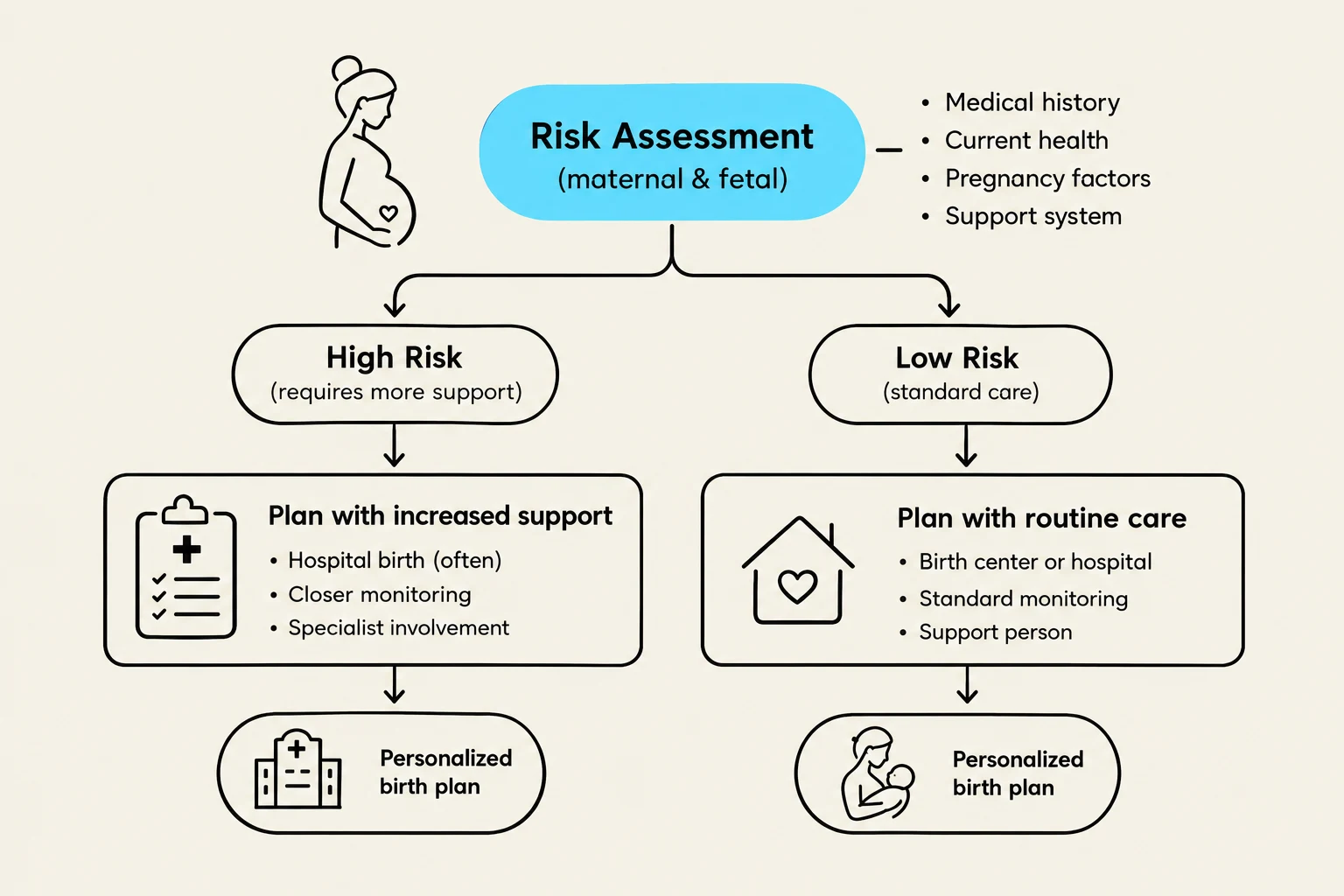
Preparing for the arrival of a new baby involves much more than just physical readiness; it requires emotional preparation, informed decision-making, and an understanding of the various healthcare pathways available. For expectant parents, navigating the complexities of healthcare providers, birth settings, and educational resources can be overwhelming. This article explores the scope of perinatal education and the diverse options available to families to ensure a safe and supported transition into parenthood.
Understanding Childbirth and Perinatal Education
Education is a cornerstone of a healthy pregnancy. While the terms are often used interchangeably, they serve distinct but overlapping purposes. Perinatal education broadly encompasses the care and guidance provided during the period around birth, whereas childbirth education specifically focuses on preparing parents for the physiological and emotional realities of labor and delivery.
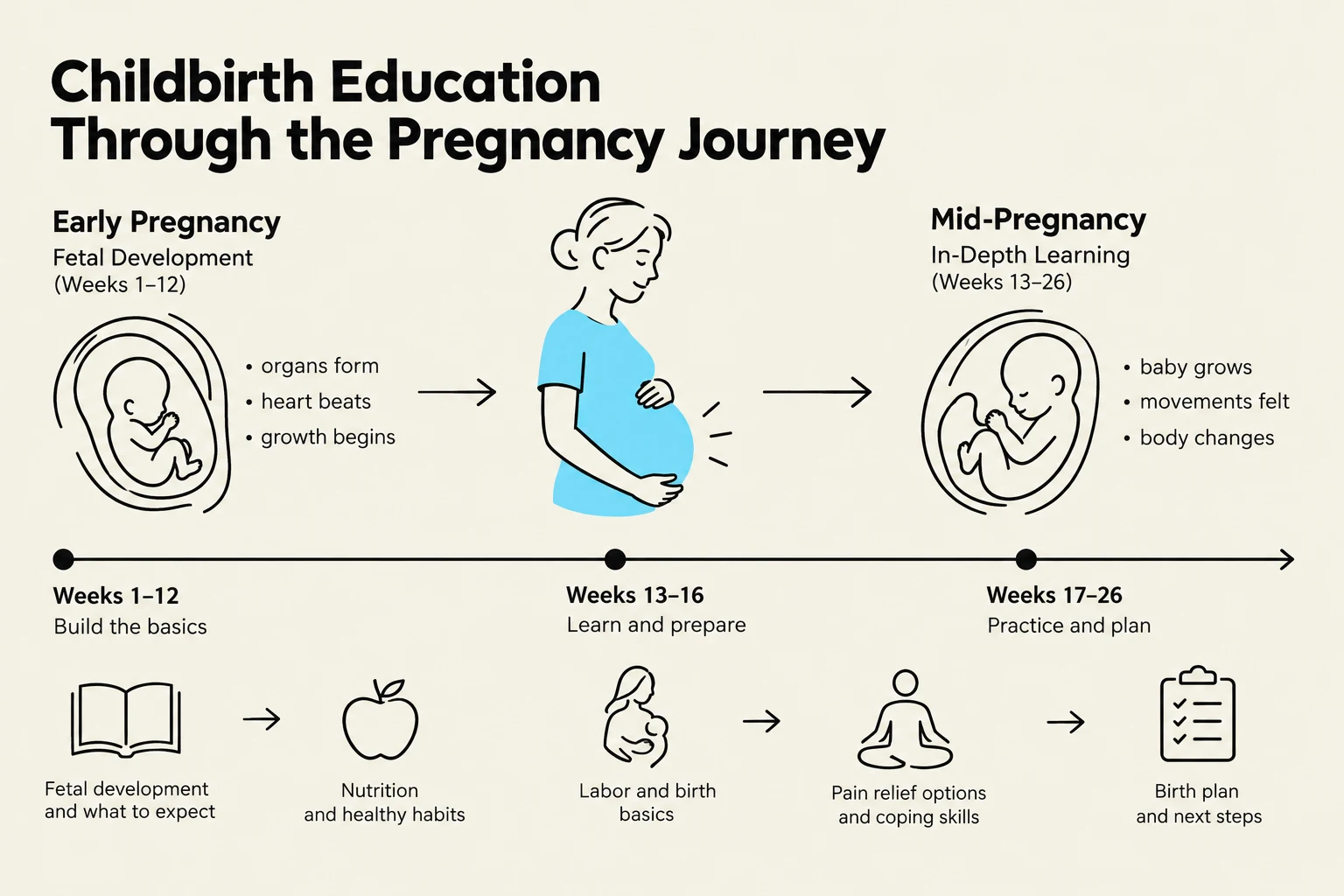
The overarching goal of this education is twofold: to assist expectant parents in making informed, safe decisions regarding pregnancy and birth, and to prepare them both emotionally and physically for the experience. Education is typically structured around the stages of pregnancy:
- Early Pregnancy: Focuses on fetal development, nutritional needs, human sexuality, and the physiological changes occurring in the mother.
- Mid-Pregnancy: Shifts toward practical parenting skills, such as infant hygiene, feeding, and managing common pregnancy discomforts.
- Late Pregnancy: Concentrates on the mechanics of labor and the birth process itself.
Clinical Tip: When tailoring education, healthcare providers must consider the unique needs of the population. For example, an adolescent mother with minimal support requires different resources than a couple whose first language is not English.
Keep reading for free.
Create an account to finish this reading and make it part of your study routine.
Continue reading freeAlready have an account? Log in
Updated