


The postpartum period is a critical transition phase where the body undergoes significant physiological changes to recover from childbirth. While often a time of bonding, it is also a period of heightened vulnerability for both the mother and the newborn. Nurses play a vital role in identifying early warning signs of infection, hematological instability, and neonatal risks to ensure safe outcomes.
Postpartum Infections and Management
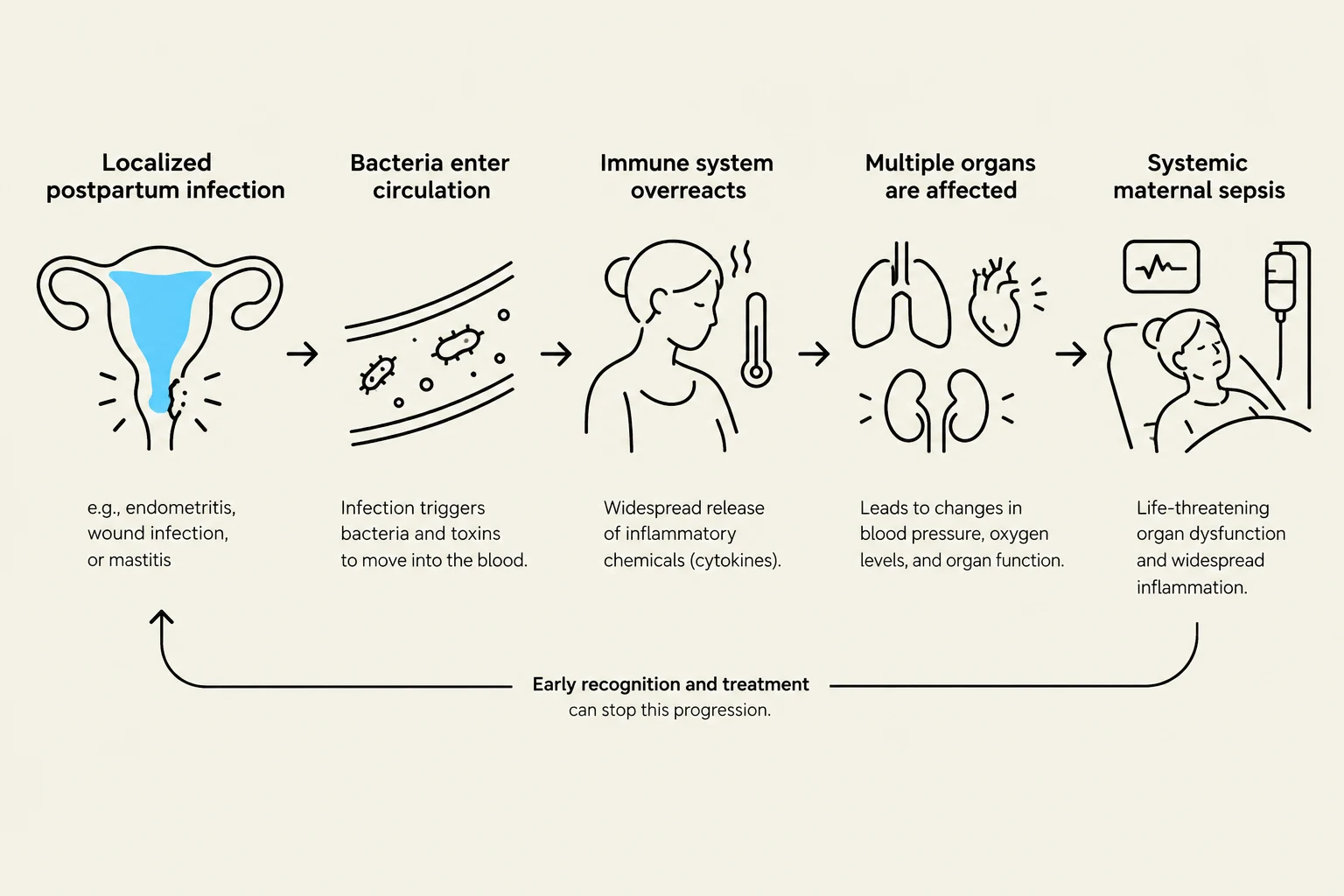
Infections can arise from various sites during the postpartum period, ranging from the uterine cavity to the breast tissue.
Endometritis
Endometritis is an infection of the uterine lining. It is typically characterized by fever, uterine tenderness, abdominal pain, and lochia that has a foul odor.
- Nursing Interventions: Nurses must perform frequent assessments of the uterus and the characteristics of lochia. Management usually involves the administration of antibiotics and pain management.
Mastitis
Mastitis involves inflammation or infection of the breast tissue, often presenting with swollen, tender breasts, fever, and chills.
- Nursing Interventions: Key actions include providing breastfeeding education to ensure proper latch technique, frequent breast assessments, and the use of cool compresses for comfort. Medical management typically includes antibiotics and pain relief.
Wound Infection
Whether from a cesarean incision or a perineal laceration, wound infections present with localized pain and fever.
- Nursing Interventions: Management focuses on wound assessment and antibiotic therapy. If an abscess is suspected, the medical team may need to open, clean, culture, and pack the area with moist gauze.

Keep reading for free.
Create an account to finish this reading and make it part of your study routine.
Continue reading freeAlready have an account? Log in
Updated