


In the field of plant pathology—the scientific study of plant diseases caused by living organisms—one of the most critical skills is the ability to distinguish between the various ways a plant reacts to stress. When a plant is under attack by a pathogen, it undergoes changes in its morphology (appearance) and physiology (function). To accurately identify what is happening in a field or garden, a pathologist must differentiate between the plant's own reaction to the infection and the physical presence of the infectious agent itself.
Understanding Plant Disease vs. Abiotic Disorders
Before diving into specific visual cues, it is essential to define what actually constitutes a "disease." A plant disease is the result of a dynamic, detrimental relationship between a host and a pathogen that parasitizes or interferes with the plant's normal cellular processes.
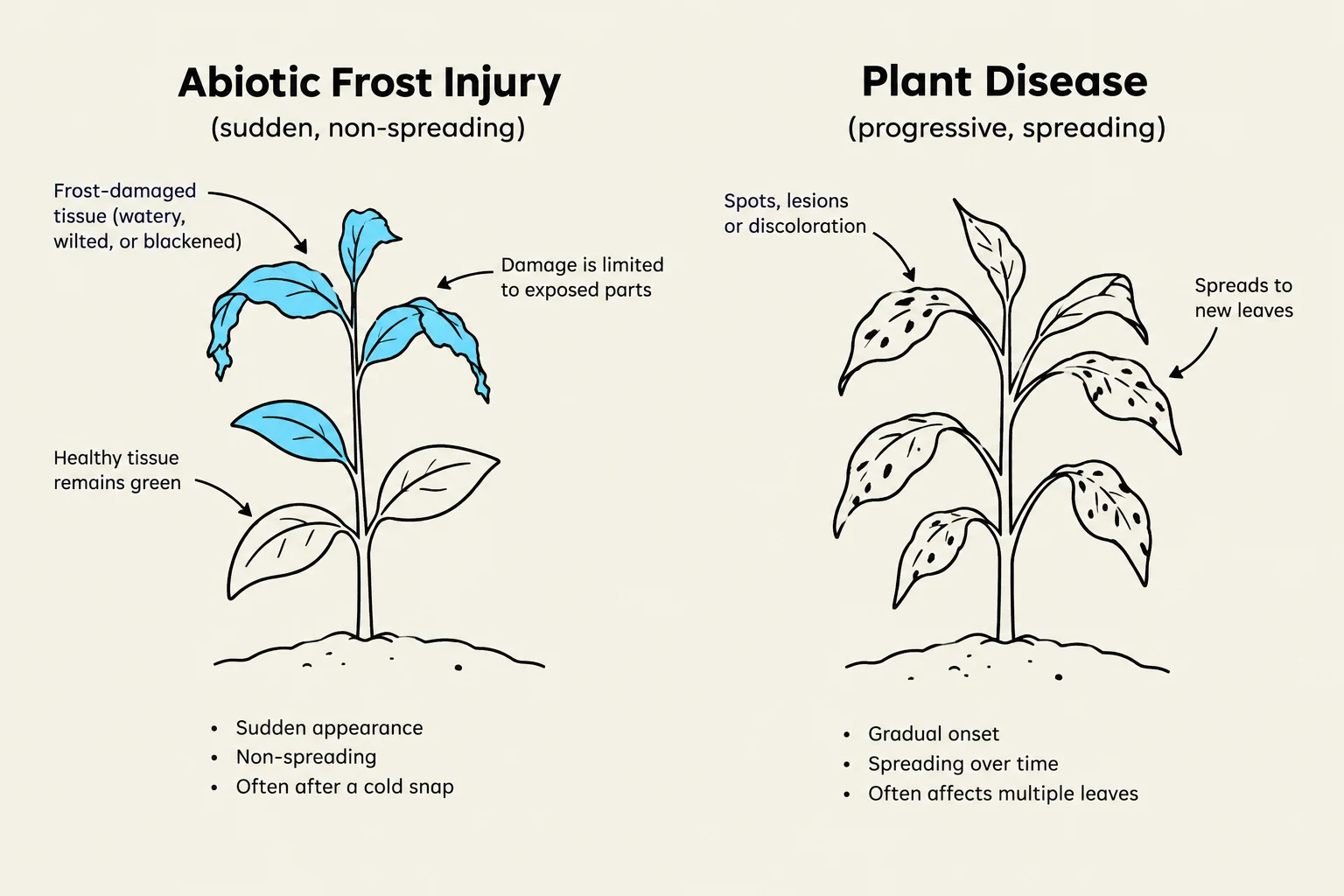
A key characteristic of a disease is that it is dynamic; it changes and progresses over time. This distinguishes it from abiotic disorders or injuries. Abiotic factors are non-living and non-infectious. Examples include:
- Temperature extremes (frost injury)
- Nutritional imbalances
- Air pollution or chemical herbicides
- Moisture or light issues
- Physical damage from insects or mammals
While both biotic pathogens and abiotic disorders can produce visible changes in a plant, abiotic injuries are often instantaneous and do not involve a living organism that reproduces or spreads.
Exam Tip: If you see a plant with damaged tissue, ask yourself: "Is this changing over time due to a living organism?" If the damage was a single event (like a frost) and shows no signs of a spreading living agent, it is likely an abiotic disorder, not a disease.
Keep reading for free.
Create an account to finish this reading and make it part of your study routine.
Continue reading freeAlready have an account? Log in
Updated