


The integumentary system, primarily composed of the skin, is the largest organ of the human body. While it is often viewed simply as a "covering," its physiological roles are far more complex, encompassing protection, thermoregulation, sensation, and metabolic synthesis. Comprising approximately 16% of total body weight, the system consists of the cutaneous membrane (the epidermis and dermis) and various accessory structures such as hair, nails, and glands.
Protective Barriers: The Body's First Line of Defense
The skin functions as a sophisticated multi-layered defense mechanism, utilizing physical, chemical, and biological barriers to safeguard internal homeostasis.
Physical and Chemical Barriers
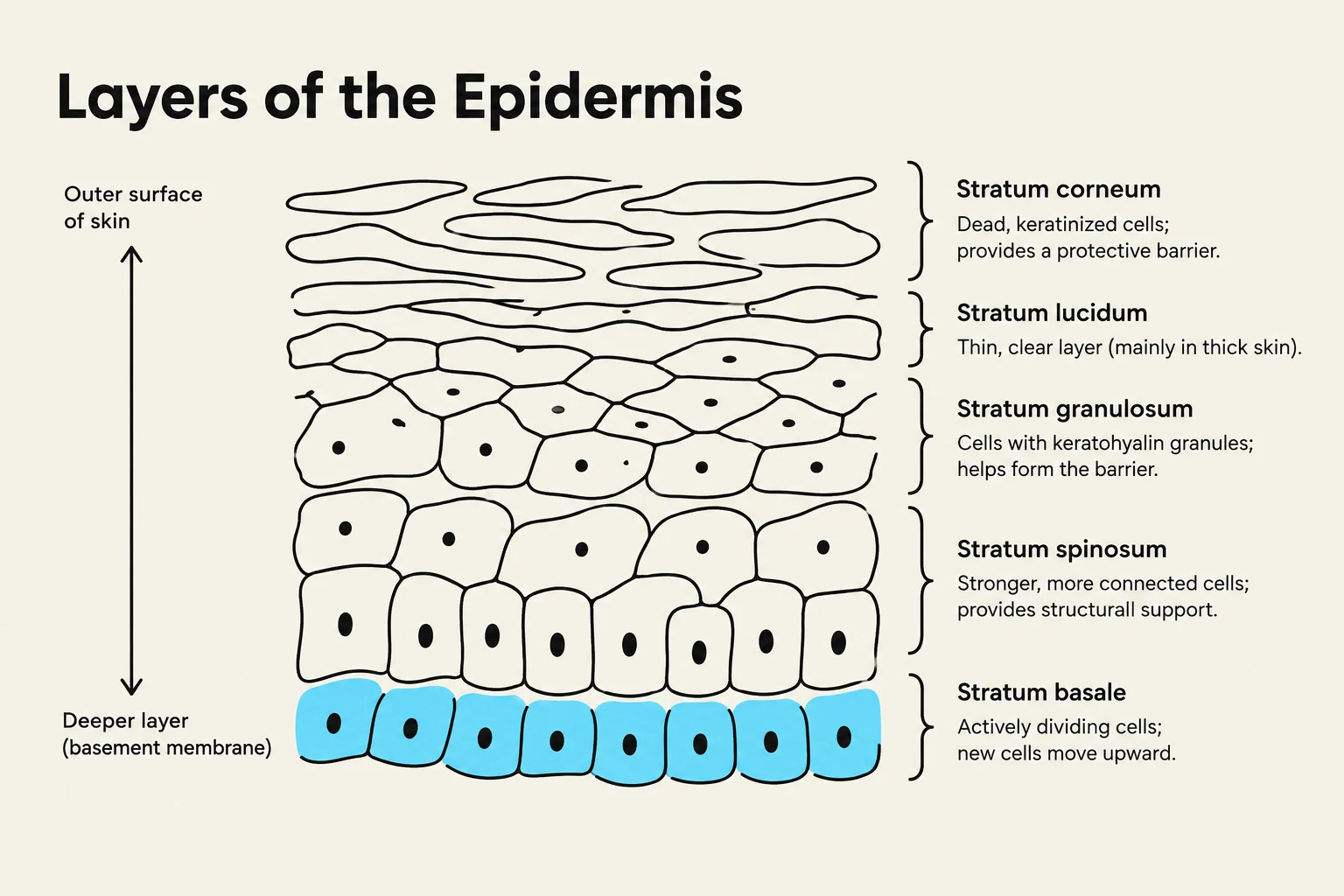
The outermost layer, the epidermis, is composed of stratified squamous cells. These cells are stacked like bricks in a wall to create a tough, resistant surface. A key component of these cells is keratin, a waxy, water-resistant protein that prevents the body from losing too much water and repels external moisture.
Beyond physical structure, the skin maintains a chemical barrier through its acidic skin pH (typically between 4.7 and 5.75). This acidity helps inhibit the growth of many pathogens. Additionally, eccrine sweat glands (a common ecrine variety of sweat gland) secrete dermcidin, an antimicrobial peptide that provides active chemical defense.
Biological and UV Protection
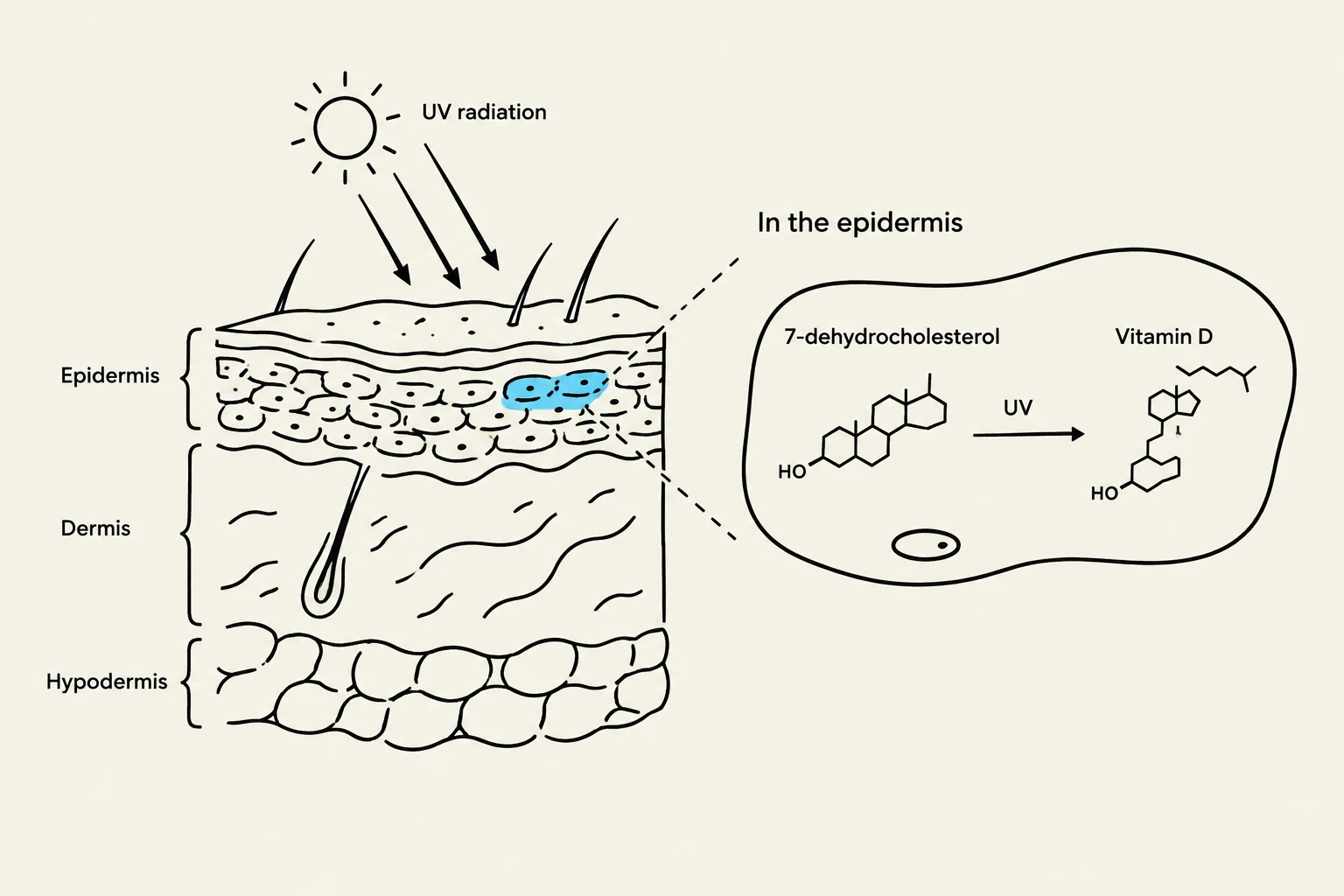
If pathogens manage to penetrate the physical and chemical layers, the biological barrier takes over. Langerhans cells (also known as dendritic cells) act as phagocytic "Pac-Man" cells, ingesting bacteria, viruses, and cellular debris to trigger immune responses. Furthermore, melanin—produced by melanocytes in the deepest layer of the epidermis—absorbs ultraviolet (UV) rays, protecting deeper tissues from DNA damage.
Keep reading for free.
Create an account to finish this reading and make it part of your study routine.
Continue reading freeAlready have an account? Log in
Updated