


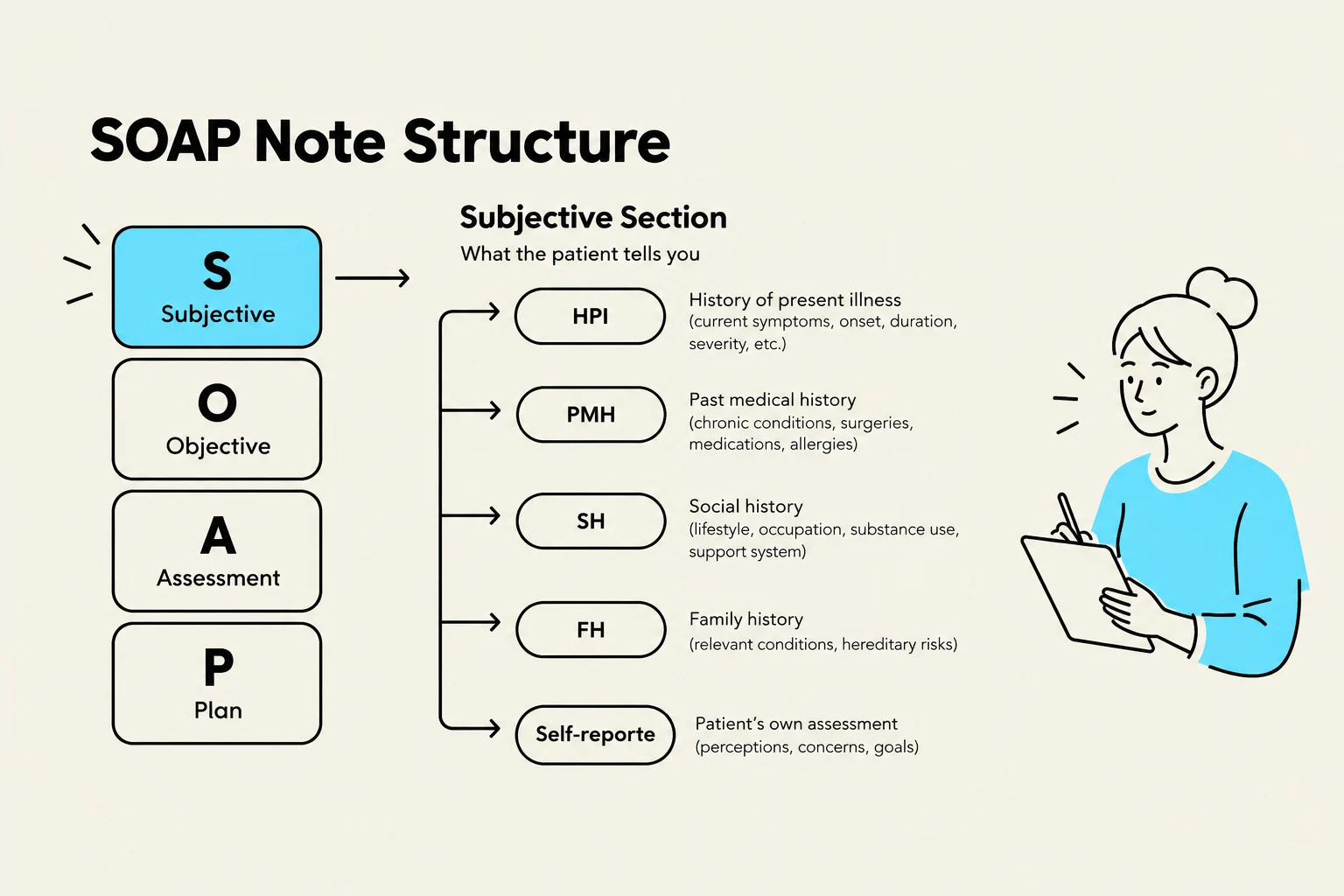
Mastering pharmacy practice requires a blend of soft skills, such as patient communication, and hard clinical skills, such as documentation and physiological monitoring. As you prepare for your midterm, focus on the structured frameworks that guide professional interactions and clinical decision-making. This review covers the essential pillars of patient care: effective counseling, standardized documentation, the systematic care process, and vital sign assessment.
Effective Patient Communication and Counseling
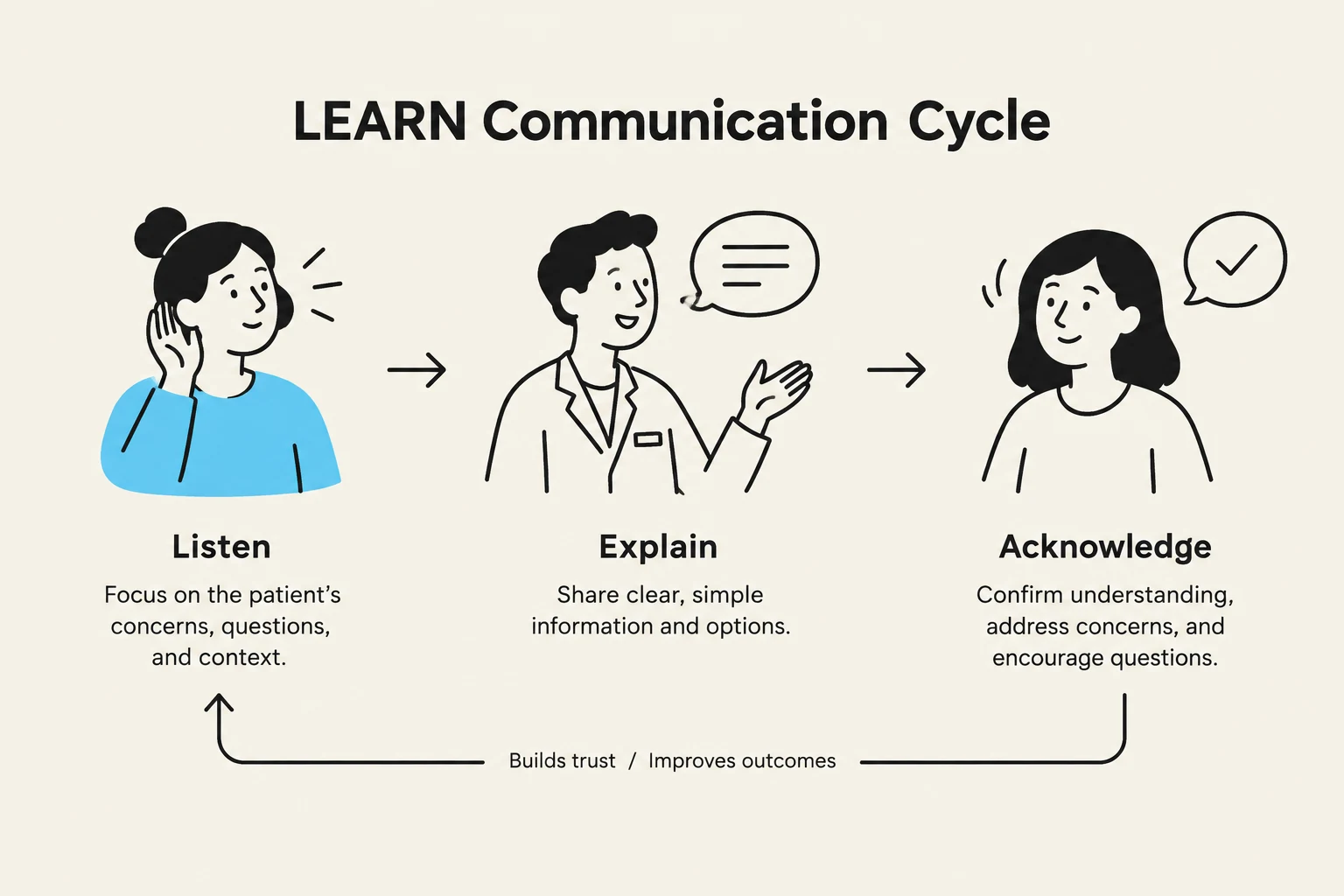
Communication is the foundation of patient safety and adherence. To facilitate a productive dialogue, pharmacists often utilize the LEARN mnemonic to guide their interaction style. This approach ensures that the pharmacist is not merely delivering information, but is actively engaging with the patient's perspective.
The LEARN framework stands for:
- Listen to the patient's concerns.
- Explain your clinical perspective.
- Acknowledge the patient's feelings or barriers.
- Recommend a therapeutic course of action.
- Negotiate a plan that works for the patient.
Once a rapport is established, the pharmacist must perform medication counseling. Rather than simply reciting instructions, effective counseling focuses on assessing the patient's baseline understanding. To ensure a patient is prepared to manage their therapy safely, you should ask three primary questions:
- What are you taking the medication for? (To confirm they understand the indication).
- How were you instructed to take the medication? (To verify dosage and administration technique).
- What were you told to expect from the medication? (To ensure they understand expected outcomes and potential side effects).
Exam Tip: When answering questions about counseling, remember that the goal is to assess knowledge, not just provide it. Using open-ended questions like "How were you told to take this?" is more effective than "Do you know how to take this?"
Keep reading for free.
Create an account to finish this reading and make it part of your study routine.
Continue reading freeAlready have an account? Log in
Updated