


Pharmacotherapy for affective disorders—primarily major depression and bipolar disorder—aims to modulate the brain's neurotransmitter systems to alleviate symptoms of dysphoria, mania, and cognitive rumination. While these medications are effective in approximately of patients, total remission is often difficult to achieve, and maximal efficacy typically requires 4 to 6 weeks of continuous therapy. This delay in therapeutic onset suggests that the drugs do not work simply by increasing neurotransmitter levels, but rather by triggering long-term neuronal adaptations, such as changes in receptor density or second-messenger signaling.
The Monoamine Hypothesis and Neurobiology
The foundation of most antidepressant research is the monoamine hypothesis, which proposes that a deficiency in monoamine neurotransmitters—specifically serotonin (5-HT), norepinephrine (NE), and dopamine (DA)—is responsible for depressed mood. Conversely, mania is often associated with an excess of monoamine activity.
While this model is considered somewhat simplistic, it has driven decades of drug development. A key challenge to this hypothesis is the "therapeutic lag": antidepressant drugs cause a rapid increase in synaptic monoamines, yet patients do not experience clinical improvement for several weeks. This discrepancy is explained by the need for autoreceptor downregulation. For example, when 5-HT levels rise acutely, presynaptic autoreceptors are activated, which actually serves to reduce further 5-HT synthesis and release. Only after chronic treatment do these autoreceptors downregulate, allowing for sustained increases in neurotransmission.
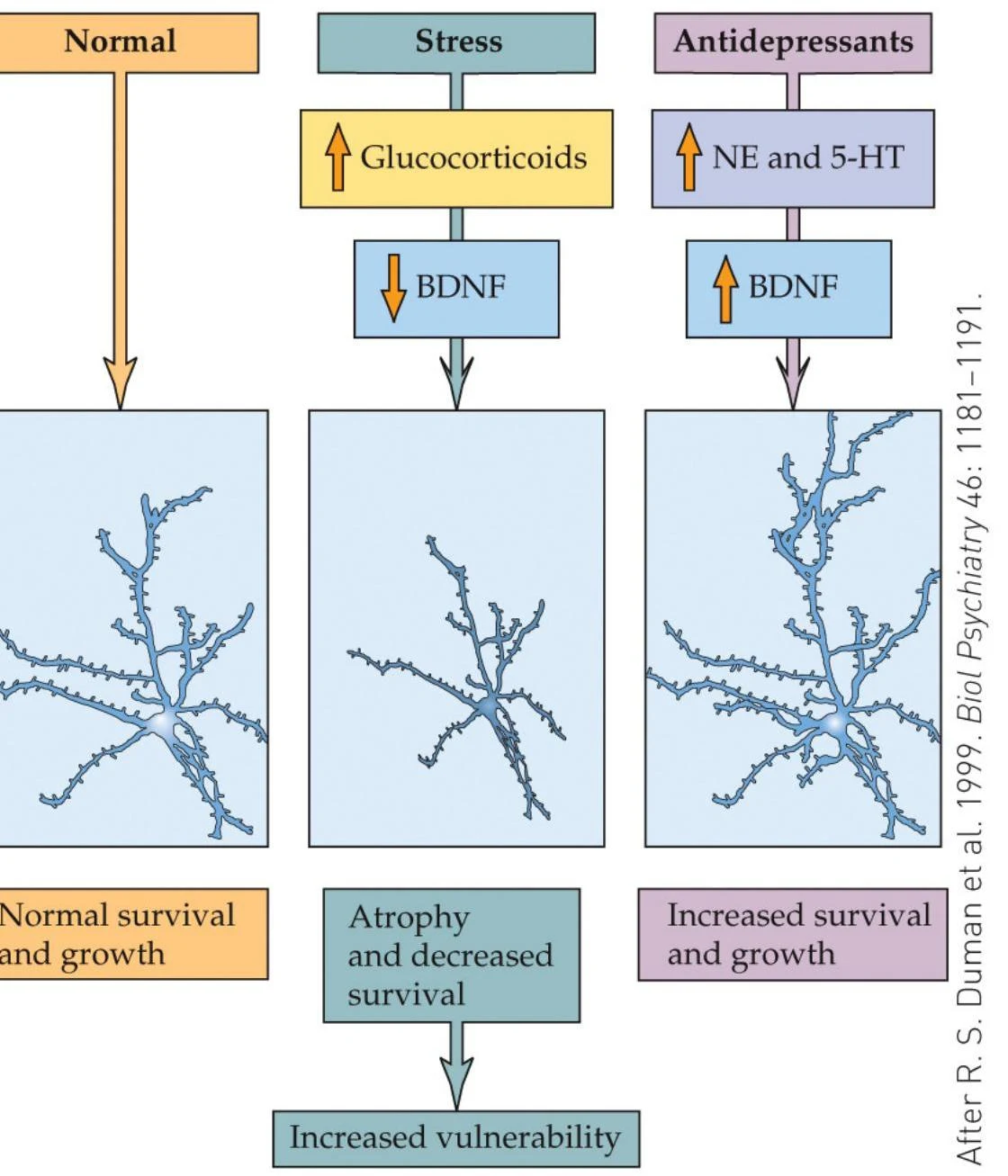
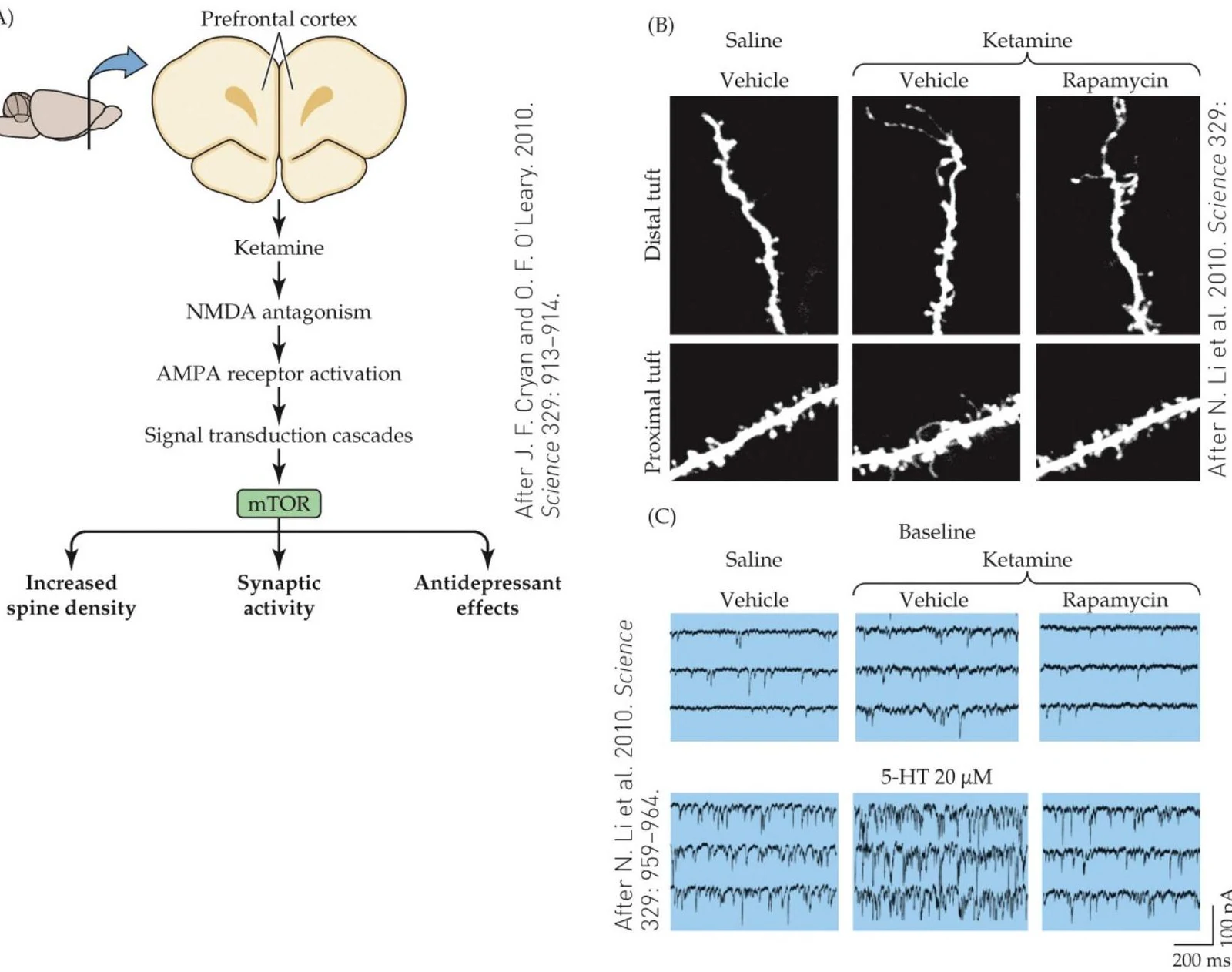
Beyond neurotransmitters, modern neurobiology emphasizes the role of neurogenesis and structural plasticity. Chronic stress and elevated cortisol can damage dendritic branching and spines in the hippocampus and prefrontal cortex. Antidepressants may counteract this by increasing levels of Brain-Derived Neurotrophic Factor (BDNF), a protein that promotes the growth of new neurons and the elaboration of dendritic spine growth.
Keep reading for free.
Create an account to finish this reading and make it part of your study routine.
Continue reading freeAlready have an account? Log in
Updated