


Preparing for a pharmacology exam requires more than just memorizing drug names; you must understand the underlying pathophysiology, the mechanism of action, and the critical nursing interventions required to keep a patient safe. This guide focuses on three major systems: the endocrine system (thyroid and diabetes), the cardiovascular system (hypertension, angina, and lipids), and the renal system (diuretics).
Endocrine Disorders: Thyroid Management
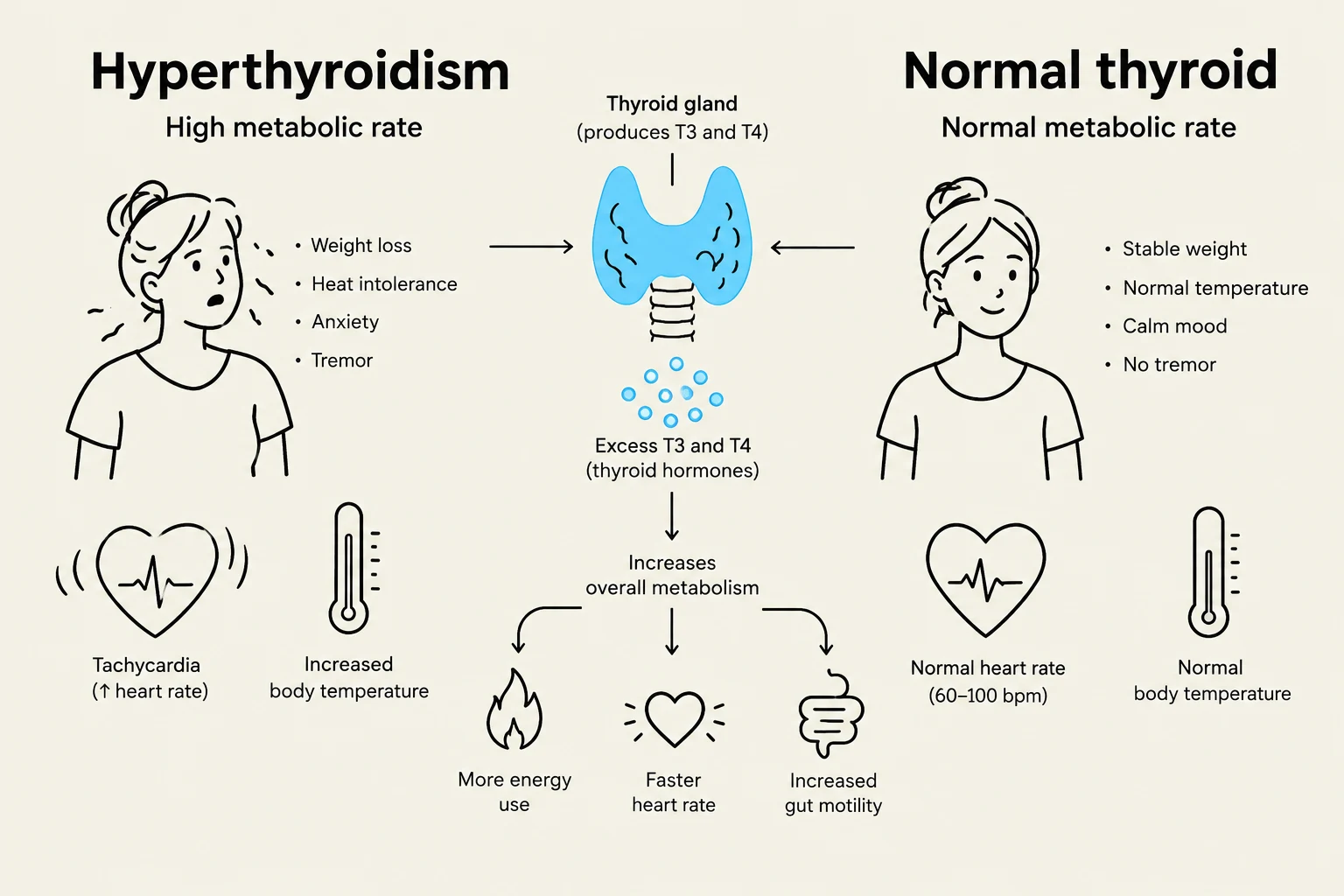
Thyroid function regulates the body's metabolic rate. Disorders typically fall into two categories: hyperthyroidism and hypothyroidism.
Hyperthyroidism occurs when the thyroid gland is overactive, often caused by Graves' Disease. Symptoms include weight loss, tachycardia, heat intolerance, and tremors. A life-threatening complication of hyperthyroidism is thyroid storm, a state of extreme metabolic acceleration that requires immediate medical intervention. One common treatment for Graves' Disease is radioactive iodine therapy, which works by destroying the overactive thyroid tissue.
Hypothyroidism is the opposite, characterized by a slow metabolism, weight gain, bradycardia, and cold intolerance. Treatment typically involves hormone replacement, such as Levothyroxine.
Diabetes Mellitus and Glycemic Control
Understanding the distinction between Type I and Type II diabetes is fundamental to pharmacology.
- Type I Diabetes: Characterized by an absolute insulin deficiency due to the destruction of pancreatic beta cells.
- Type II Diabetes: Characterized by insulin resistance, where the body's cells do not respond effectively to insulin.
Insulin Administration and DKA
Insulin therapy is categorized by its onset of action. Long-acting insulin provides basal coverage to maintain glucose levels between meals and is generally not held prior to surgery. In contrast, Regular insulin is short-acting and is the only type that can be administered via continuous infusion for the treatment of Diabetic Ketoacidosis (DKA).
Keep reading for free.
Create an account to finish this reading and make it part of your study routine.
Continue reading freeAlready have an account? Log in
Updated