


The autonomic nervous system maintains homeostasis through the balanced actions of the sympathetic and parasympathetic divisions. Central to the parasympathetic response is the neurotransmitter acetylcholine (ACh). Understanding the pharmacology of cholinergic and anticholinergic agents requires a clear distinction between how drugs interact with ACh and the specific receptors they target: muscarinic and nicotinic subtypes.
Parasympathomimetics: Cholinergic Agonists
Parasympathomimetics are agents that mimic the effects of acetylcholine. These are broadly categorized into two groups based on their mechanism of action: direct-acting agonists and indirect-acting agonists (cholinesterase inhibitors).
Direct-Acting Agonists
Direct-acting agonists bind directly to cholinergic receptors to elicit a response. They are further subdivided into choline esters and plant alkaloids.
Choline Esters
These are synthetic derivatives of acetylcholine. Because they are often quaternary ammonium compounds, their lipid solubility and ability to cross the blood-brain barrier (BBB) vary significantly.
- Bethanechol: Highly selective for muscarinic receptors, making it useful for treating urinary and gastrointestinal retention without significant nicotinic side effects.
- Methacholine: Used primarily in the diagnosis of asthma by inducing bronchoconstriction.
- Carbachol: Possesses significant activity at both muscarinic and nicotinic receptors.
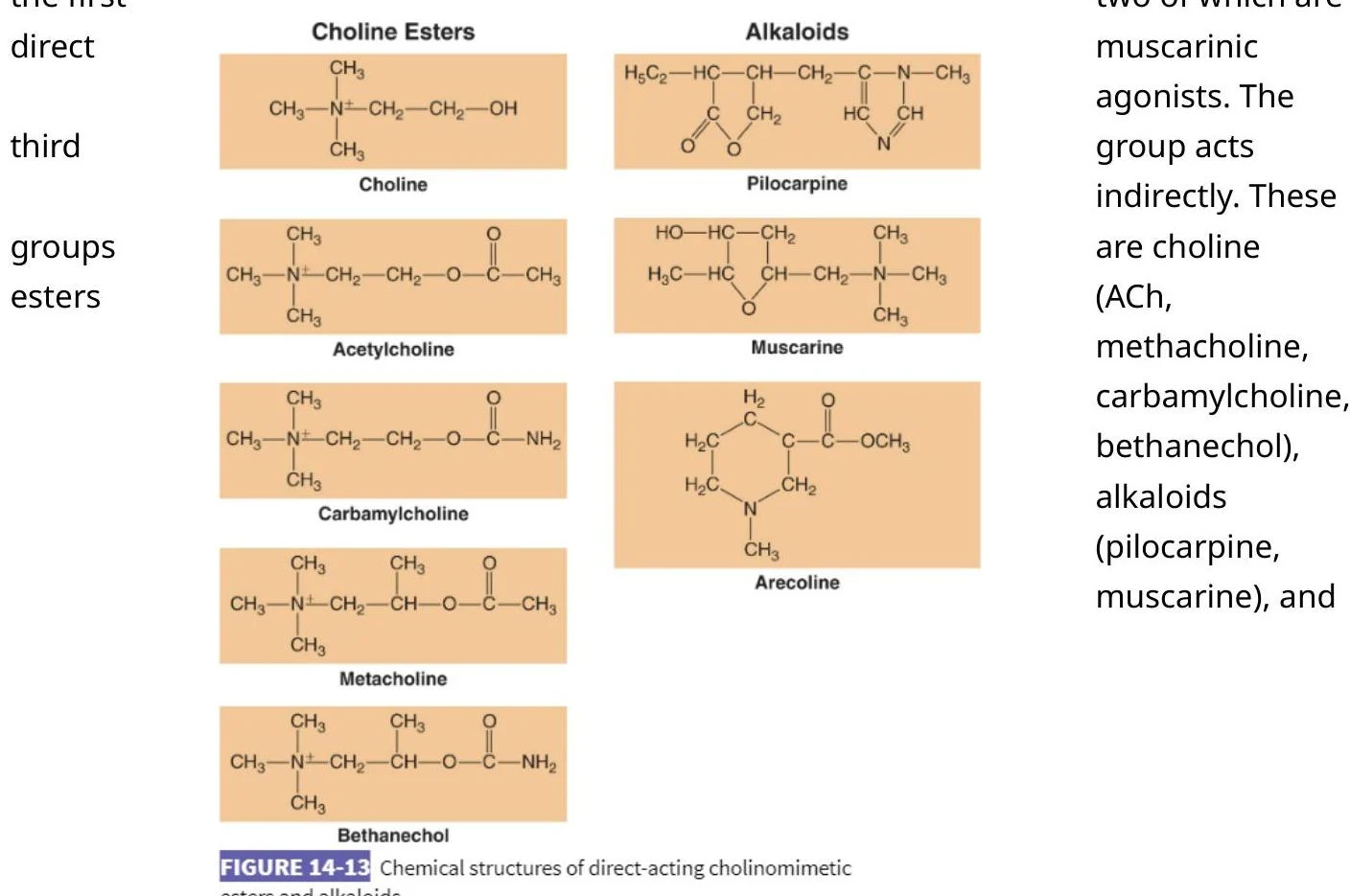
Plant Alkaloids
- Pilocarpine: A tertiary amine derived from plants. Because it is a tertiary amine, it is more lipid-soluble and can cross the BBB. It is commonly used topically to treat glaucoma by inducing miosis and increasing aqueous humor outflow.
Indirect-Acting Agonists: Cholinesterase Inhibitors
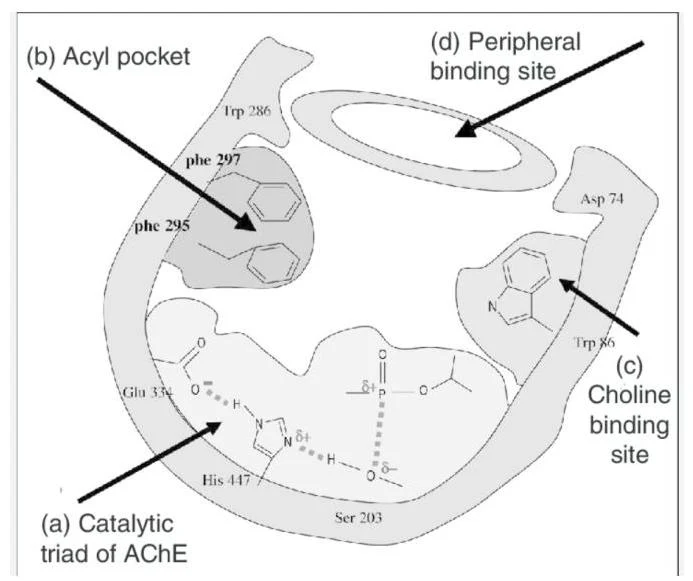
Indirect-acting agonists, also known as anticholinesterases, do not bind to the receptors themselves. Instead, they inhibit the enzyme acetylcholinesterase (AChE), which is responsible for breaking down acetylcholine in the synaptic cleft. By inhibiting this enzyme, these drugs increase the concentration and duration of action of endogenous ACh.

Keep reading for free.
Create an account to finish this reading and make it part of your study routine.
Continue reading freeAlready have an account? Log in
Updated