


Angina pectoris is a clinical manifestation of myocardial ischemia, occurring when the heart muscle does not receive a sufficient supply of oxygen and nutrients to meet its metabolic demands. This imbalance often results from atherosclerosis or coronary artery disease, leading to chest pain that can progress to myocardial infarction (the death of cardiac tissue) if left untreated.
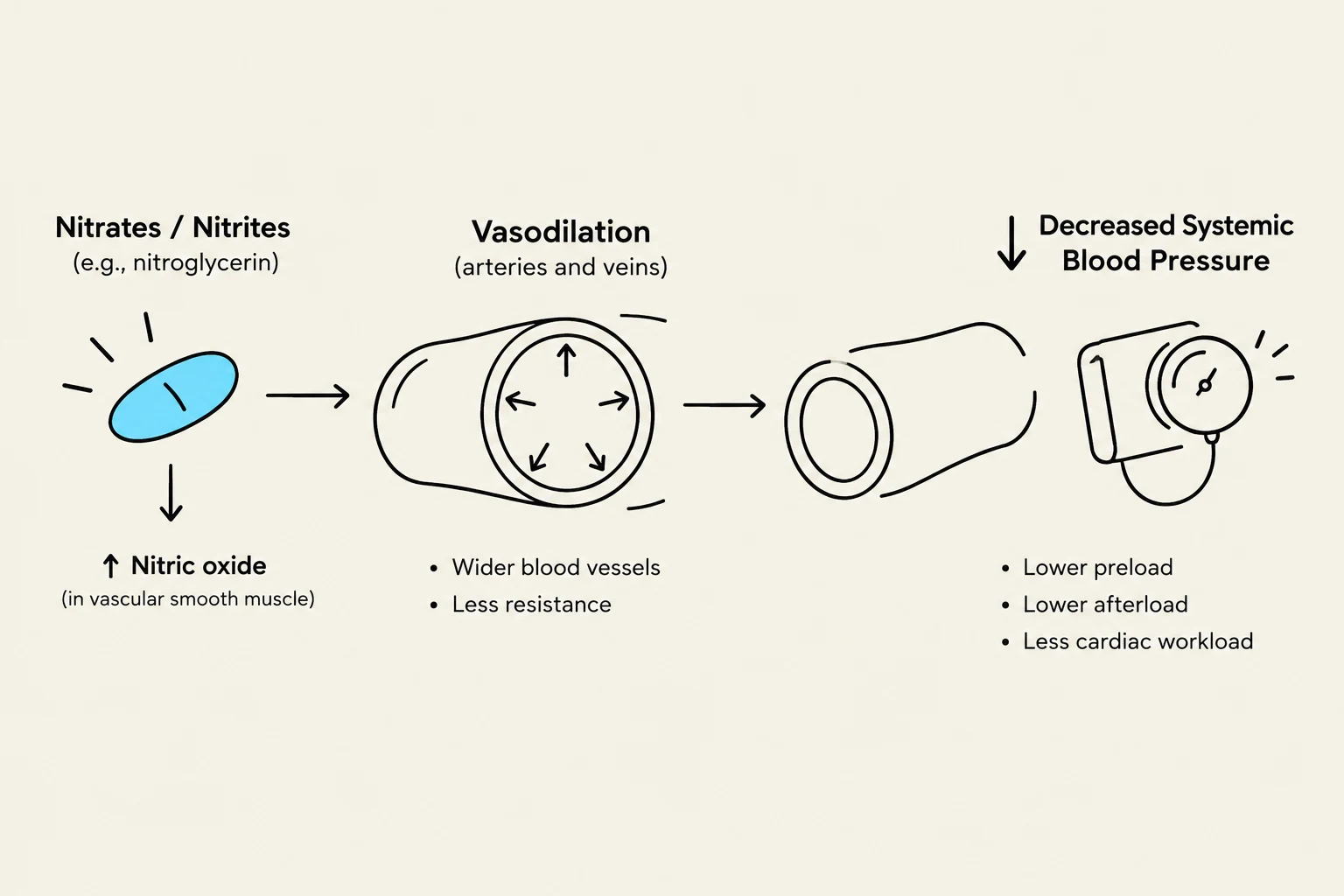
Nitrates and nitrites are a critical class of antianginal drugs used to manage this condition. Their primary mechanism of action is the relaxation of smooth muscles, which leads to potent vasodilation of both veins and arteries. By dilating the coronary arteries, these drugs increase oxygen delivery to the ischemic heart tissue, thereby preventing or treating angina.
Classification by Duration of Action
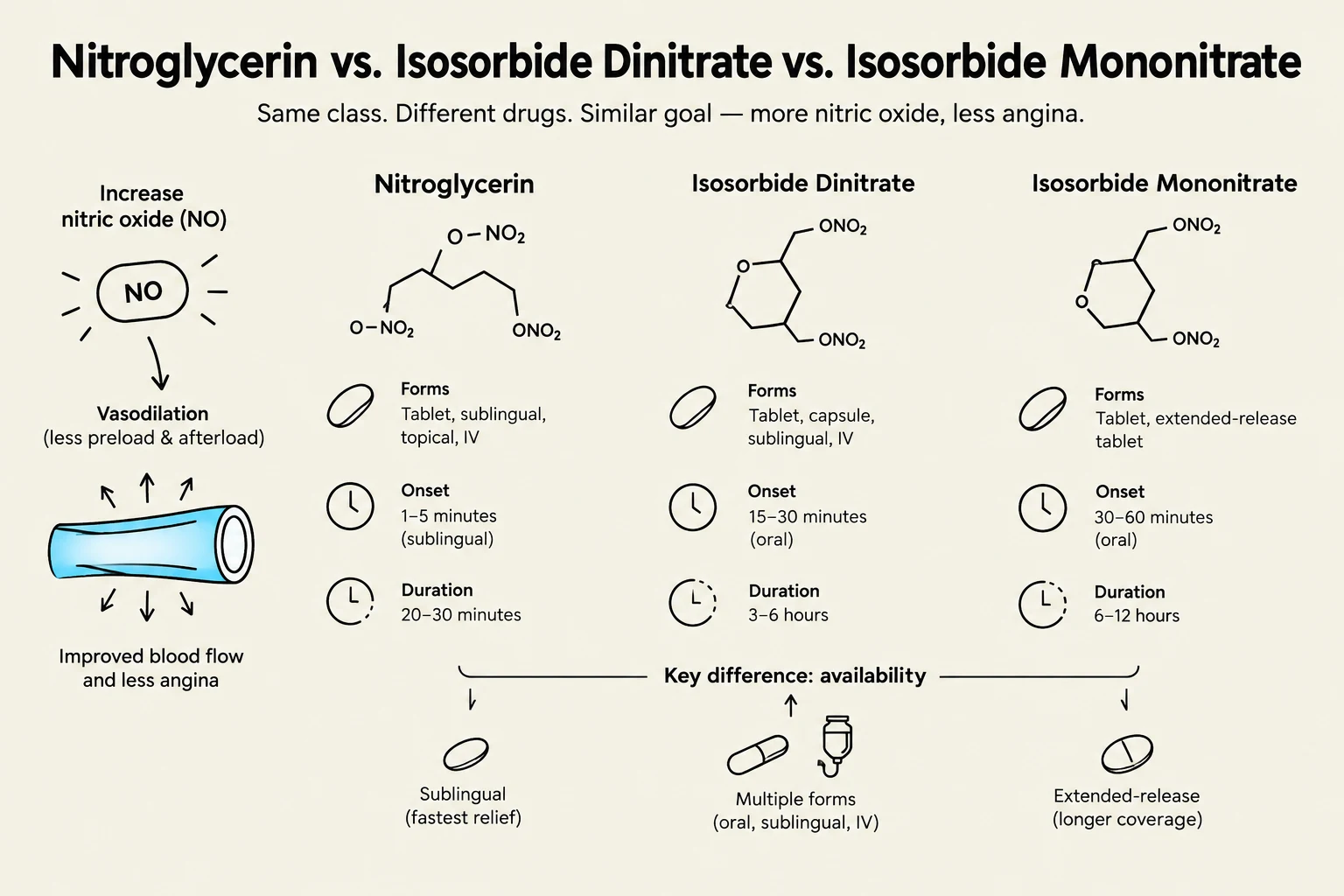
Nitrates are categorized based on how quickly they act and how long their effects last, which dictates their clinical application.
Rapid-Acting Forms
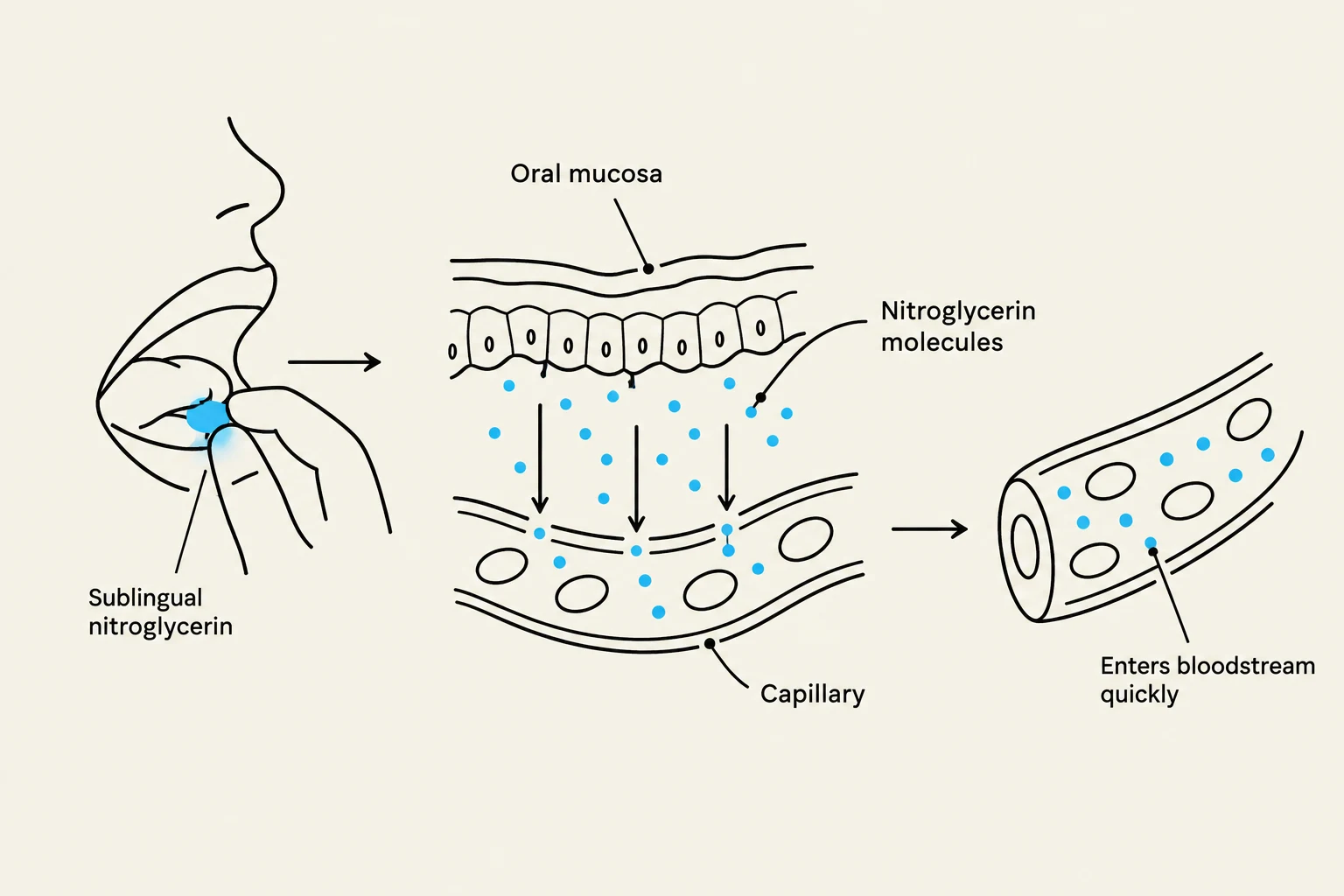
Rapid-acting forms are utilized to treat acute anginal attacks—the sudden onset of pain. These are designed for immediate absorption to provide quick relief during an episode of ischemia. Common administration routes include:
- Sublingual administration: Tablets or metered-dose aerosols sprayed under the tongue.
- Intravenous (IV) infusion: Used in clinical settings for more urgent control.
Long-Acting Forms
Long-acting forms are used for the prevention of anginal episodes rather than the treatment of acute pain. They provide a sustained release of the medication to maintain stable blood vessel dilation over time. These are typically administered via:
- Transdermal patches: Applied to the skin for continuous absorption.
- Topical creams: Applied to the skin surface.
Keep reading for free.
Create an account to finish this reading and make it part of your study routine.
Continue reading freeAlready have an account? Log in
Updated