


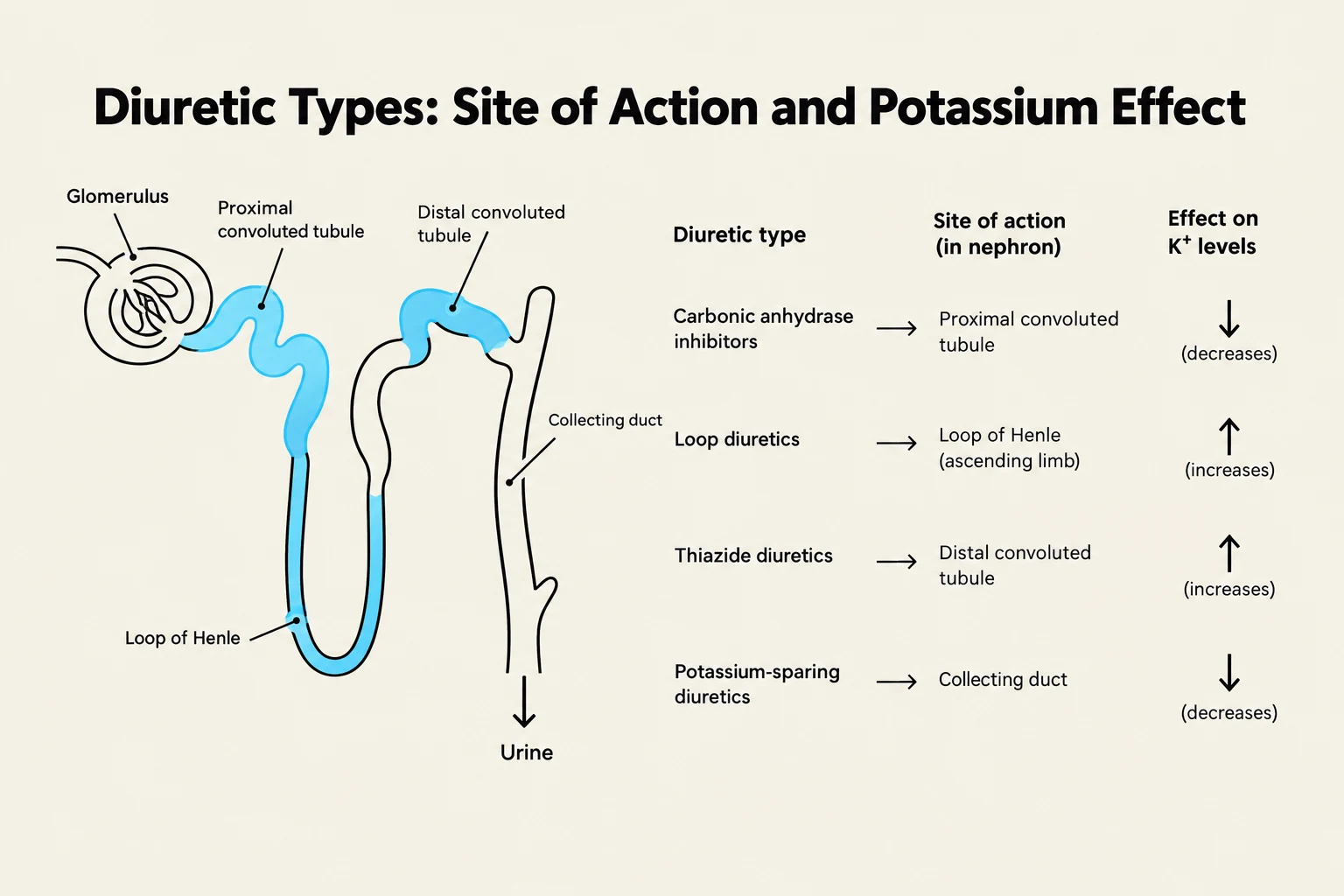
Managing hypertension (HTN) and fluid balance is a cornerstone of cardiovascular pharmacology. Hypertension is characterized by abnormally high blood pressure, often exacerbated by the narrowing and hardening of arteries due to cholesterol plaque buildup. To combat this, clinicians utilize a variety of drug classes, including vasodilators and diuretics, to reduce peripheral resistance and manage extracellular fluid volume. Understanding the specific mechanisms, indications, and critical safety warnings for these medications is essential for effective patient management and the prevention of life-threatening complications.
Vasodilators
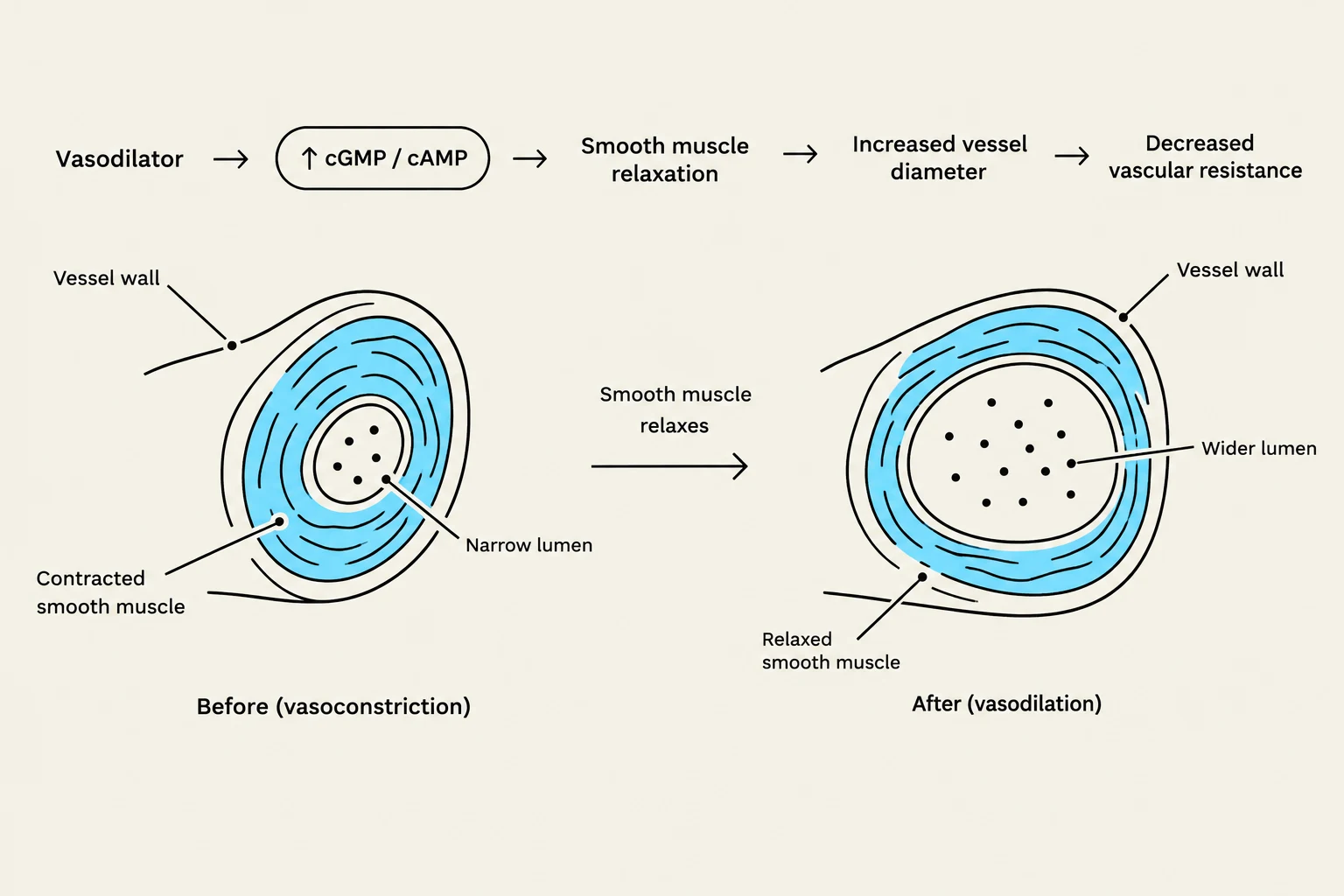
Vasodilators work by directly relaxing the smooth muscle within the blood vessels, which leads to vasodilation and a subsequent decrease in peripheral resistance and blood pressure. Because they reduce afterload, they are particularly useful in managing patients with heart failure (HF) or hypertensive emergencies.
Commonly used vasodilators include:
- Hydralazine and Minoxidil: These act on the arterioles. However, they have limited effectiveness when used as monotherapy. Because their vasodilative effect can stimulate the sympathetic nervous system (SNS), they are often prescribed alongside an adrenergic blocker (like propranolol) to inhibit SNS activity. Additionally, since they can cause sodium retention, a concomitant diuretic may be necessary.
- Sodium Nitroprusside: This is a potent agent used in hypertensive emergencies. It acts on both arterioles and venules and works within seconds, requiring continuous intravenous administration.
Clinical Alert: Acute Hypotension A primary risk associated with the rapid action of vasodilators is acute hypotension. Nurses must monitor blood pressure closely, especially during the initiation of therapy or when administering intravenous agents like nitroprusside.
Keep reading for free.
Create an account to finish this reading and make it part of your study routine.
Continue reading freeAlready have an account? Log in
Updated