


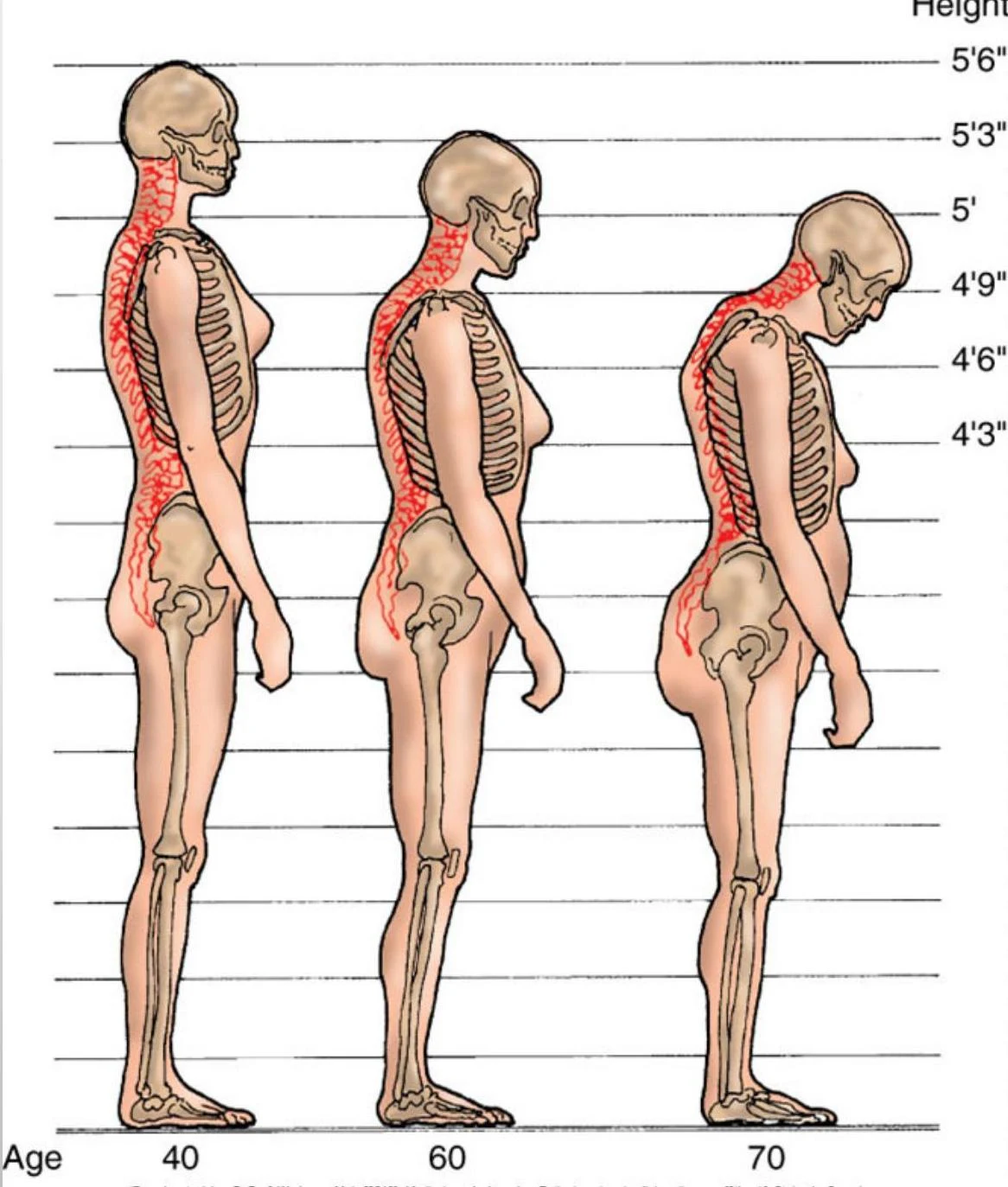
Osteoporosis is a skeletal disorder characterized by decreased bone mass and the deterioration of bone tissue, which leads to increased bone fragility and a higher risk of fractures. As individuals age, they may experience significant changes in stature and spinal alignment due to this bone loss.
Pharmacological management of osteoporosis generally follows two primary mechanisms of action: decreasing bone resorption (the breakdown of bone by osteoclasts) or increasing bone formation (the building of new bone by osteoblasts).
Antiresorptive Agents
Antiresorptive drugs aim to slow down the process of bone destruction by targeting osteoclasts, the cells responsible for breaking down bone tissue.
Bisphosphonates
Bisphosphonates are a cornerstone of osteoporosis treatment. The prototype drug is alendronate (Fosamax). These medications work by moving blood calcium into the bone, binding calcium to the bone matrix, and preventing osteoclasts from destroying and resorbing bone tissue. They are used to treat osteoporosis, osteopenia, and bone diseases like Paget’s disease.
Clinical Considerations:
- Side Effects: Patients may experience nausea, muscle/joint pain, diarrhea, or esophagitis. Rare but serious adverse reactions include osteonecrosis of the jaw and atypical femoral fractures.
- Patient Teaching: Because of the risk of esophageal erosion, specific oral administration requirements must be followed. Additionally, patients must undergo dental exams every six months.
Keep reading for free.
Create an account to finish this reading and make it part of your study routine.
Continue reading freeAlready have an account? Log in
Updated