


In nuclear cardiology, myocardial perfusion imaging (MPI) is a vital tool used to detect coronary artery disease, assess the extent of stenosis, and evaluate myocardial viability. While exercise stress tests are often the preferred method for inducing physiological demand, many patients are unable to undergo physical exertion due to poor motivation, the use of beta-blockers, or physical limitations. In these instances, pharmacologic stress agents are utilized to simulate the effects of stress and allow for the visualization of blood flow through the myocardium.

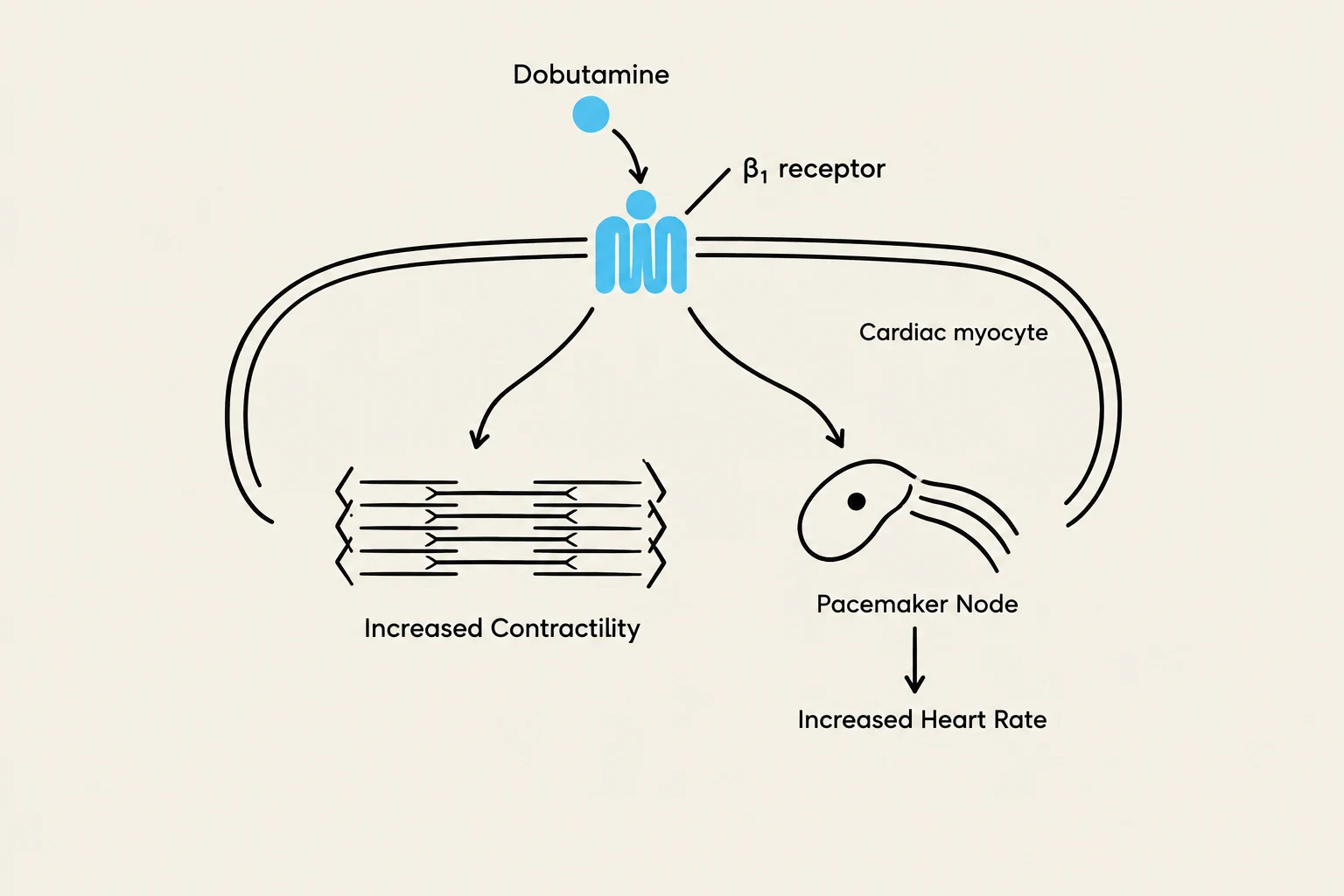
These agents generally fall into two categories: vasodilators, which increase coronary blood flow by relaxing vascular smooth muscle, and inotropic agents, which increase myocardial oxygen demand by increasing heart rate and contractility.
Vasodilators: Dipyridamole, Adenosine, and Regadenoson
Vasodilators are used to create a "coronary steal" or a relative increase in blood flow to healthy vessels compared to stenotic ones, allowing for the detection of ischemia.
Dipyridamole
Dipyridamole (Persantine®) acts as a coronary vasodilator by inhibiting the intracellular uptake of adenosine. By blocking this uptake, the concentration of extracellular adenosine increases, which subsequently leads to marked dilation of the coronary vascular bed and increased myocardial perfusion.
Adenosine
Adenosine (Adenoscan®) works by directly activating receptors on smooth muscle fibers. This activation relaxes the vascular smooth muscle and alters sympathetic neurotransmission, resulting in vasodilation. Compared to dipyridamole, adenosine offers a more rapid onset and a shorter duration of action.
Regadenoson
Regadenoson (Lexiscan) is a newer, FDA-approved derivative of adenosine. It is a selective adenosine receptor agonist and acts as a potent vasodilator. Unlike the continuous infusions often required for dipyridamole or adenosine, regadenoson is typically administered as a rapid injection.

Keep reading for free.
Create an account to finish this reading and make it part of your study routine.
Continue reading freeAlready have an account? Log in
Updated