


In the realm of sport and performance psychology, understanding why some individuals excel while others struggle often leads us to the concept of personality. Personality is defined as a systematic variation in the way people think, feel, and behave. While researchers have long debated whether a specific "sport personality" exists, the consensus suggests that personality acts as a crucial "person factor" that interacts with situational and environmental elements to influence performance, cognition, and behavior.
To understand how these psychological determinants function, we must look at the interplay between stable traits and the specific environments in which athletes operate.
The Interactionist Approach
Rather than viewing personality in a vacuum, many psychologists adopt an interactionist approach. This perspective suggests that an athlete's behavior is determined by the situational interplay between their unique personality and their environment.
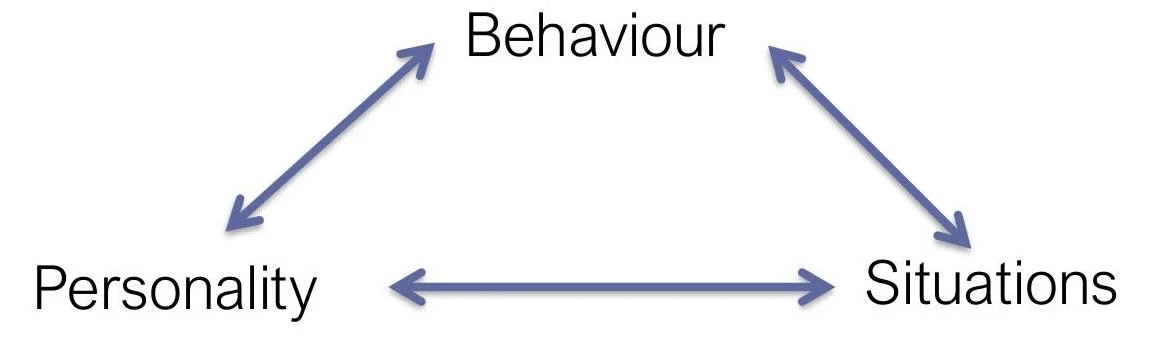
In this model, individuals bring specific dispositions and past experiences to a physical activity situation, and the situation, in turn, influences how those personality traits are expressed.
Perfectionism and the Pursuit of Excellence
One of the most complex constructs in performance psychology is perfectionism. It is characterized by a tendency to strive for exceedingly high standards in a manner that is often relentless and self-critical. However, not all perfectionism is created equal. Researchers often distinguish between two types:
- Personal Standards Perfectionism (PSP): This is a self-driven pursuit of flawlessness and continuous improvement. It is generally associated with adaptive functioning and high achievement striving.
- Evaluative Concerns Perfectionism (ECP): This involves exaggerated concerns over mistakes and the fear that others demand perfection. This type is linked to negative, unhealthy, and dysfunctional outcomes.
Keep reading for free.
Create an account to finish this reading and make it part of your study routine.
Continue reading freeAlready have an account? Log in
Updated