


In the field of emergency medicine, the ability to distinguish between a localized infection and a systemic crisis is a fundamental skill. Providers must be adept at identifying physiological distress through standardized assessment tools while simultaneously implementing rigorous infection control measures to protect themselves and their patients. This article explores the critical frameworks for assessing sepsis and the protocols required to manage highly contagious communicable diseases.
Assessing Systemic Distress: SIRS and qSOFA
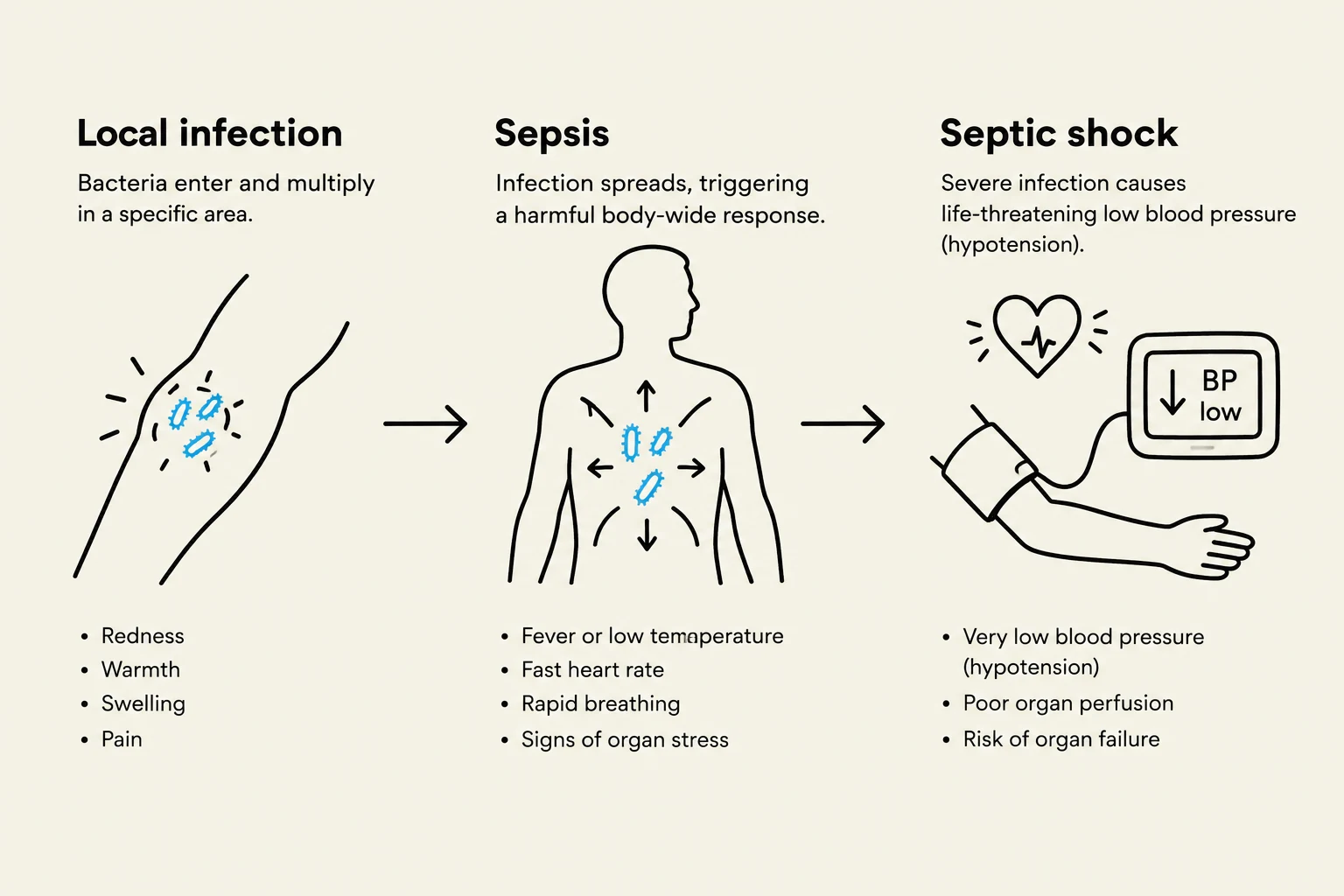
When a patient presents with an infection, the primary goal is to determine if that infection has triggered a systemic response. Sepsis is a life-threatening condition caused by an abnormal, counterproductive response by the body that damages tissues and organs. If this response leads to hypotension (low blood pressure) that does not respond to intravenous fluids, the patient has progressed to septic shock.
To identify patients at risk, clinicians utilize the Systemic Inflammatory Response Syndrome (SIRS) criteria. SIRS is characterized by specific physiological deviations:
- Temperature: () or ()
- Heart Rate: beats per minute
- Respiratory Rate: breaths per minute
- Systolic Blood Pressure:
- Mental Status: New-onset or worsening altered mental status
While SIRS is a vital screening tool, providers also use the Quick Sepsis-related Organ Failure Assessment (qSOFA). It is important to note that qSOFA does not diagnose sepsis itself; rather, it is used to predict clinical outcomes, such as whether a septic patient is likely to require a longer ICU stay or faces a higher mortality rate.

Keep reading for free.
Create an account to finish this reading and make it part of your study routine.
Continue reading freeAlready have an account? Log in
Updated