


While coronary artery disease and heart failure are frequently discussed, several other critical conditions can compromise cardiac function. These "other" heart disorders—specifically pericarditis, cardiomyopathies, and arrhythmias—disrupt the heart's ability to protect itself, pump blood efficiently, or maintain a rhythmic electrical signal. Understanding the mechanisms behind these disorders is essential for recognizing life-threatening complications like cardiac tamponade or ventricular fibrillation.
Pericarditis and Pericardial Complications
The heart is enclosed within a protective sac known as the pericardium. Pericarditis is the inflammation of this outer layer, often triggered by infections, physical trauma, or systemic autoimmune conditions such as lupus.
When the pericardium becomes inflamed, it can lead to pericardial effusion, a condition where excess fluid accumulates within the pericardial space. While a small amount of fluid is normal, excessive accumulation can lead to a medical emergency known as cardiac tamponade.
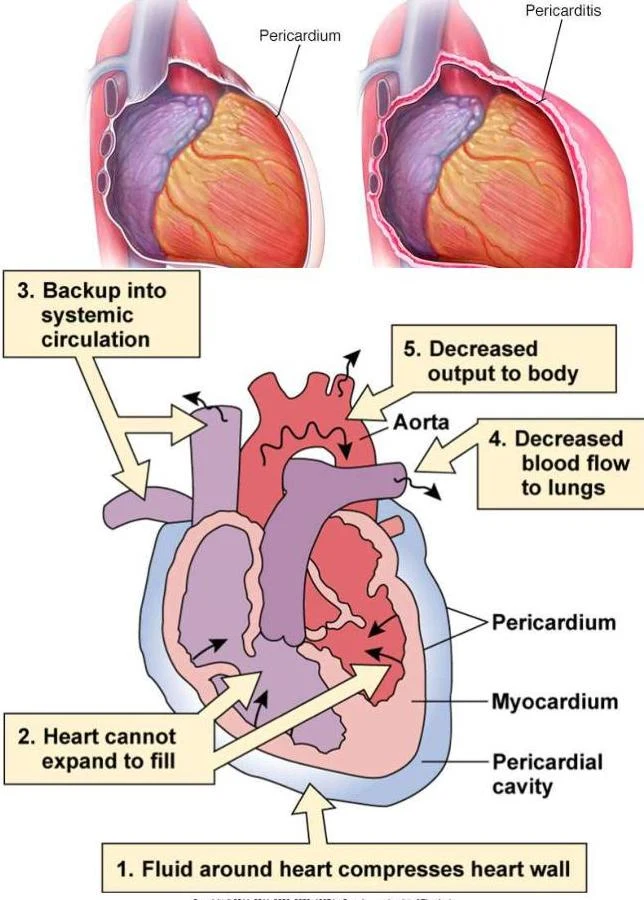
In cardiac tamponade, the rising pressure of the fluid exerts external compression on the heart. This pressure prevents the cardiac chambers from expanding fully during diastole, which severely restricts ventricular filling. Consequently, the stroke volume and total cardiac output drop significantly.
Clinical Alert: Look for the classic triad of cardiac tamponade: distended neck veins, faint (muffled) heart sounds, and pulsus paradoxus (an exaggerated drop in blood pressure during inspiration).
Cardiomyopathy: Disorders of the Myocardium
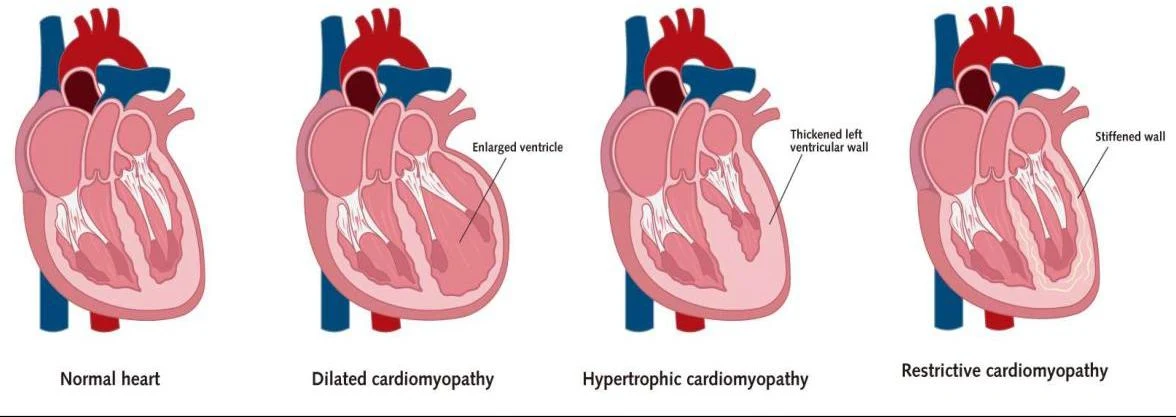
Cardiomyopathy refers to diseases of the heart muscle (myocardium) that impair the heart's ability to pump blood effectively. These disorders are generally categorized by how they alter the structure and function of the ventricles.
Keep reading for free.
Create an account to finish this reading and make it part of your study routine.
Continue reading freeAlready have an account? Log in
Updated