


The urinary system is a complex network designed to maintain homeostasis by removing metabolic waste, regulating water and electrolytes, and managing blood pressure through renin secretion. When this flow is interrupted, the consequences can range from mild discomfort to life-threatening renal failure. This article explores the pathophysiology of obstructive uropathy, the structural changes it induces, and the clinical manifestations that arise from these disruptions.
Understanding Obstructive Uropathy
Obstructive uropathy is defined as any structural or functional hindrance to the normal flow of urine. Because the kidneys rely on a pressure gradient to filter blood and move filtrate through the nephron, any blockage creates a "back-pressure" effect that can damage the delicate renal architecture.
Common causes of obstruction can occur anywhere along the urinary tract, including the kidneys, ureters, or the bladder. Examples include renal calculi (kidney stones), tumors, or structural abnormalities.
The Cascade of Renal Damage
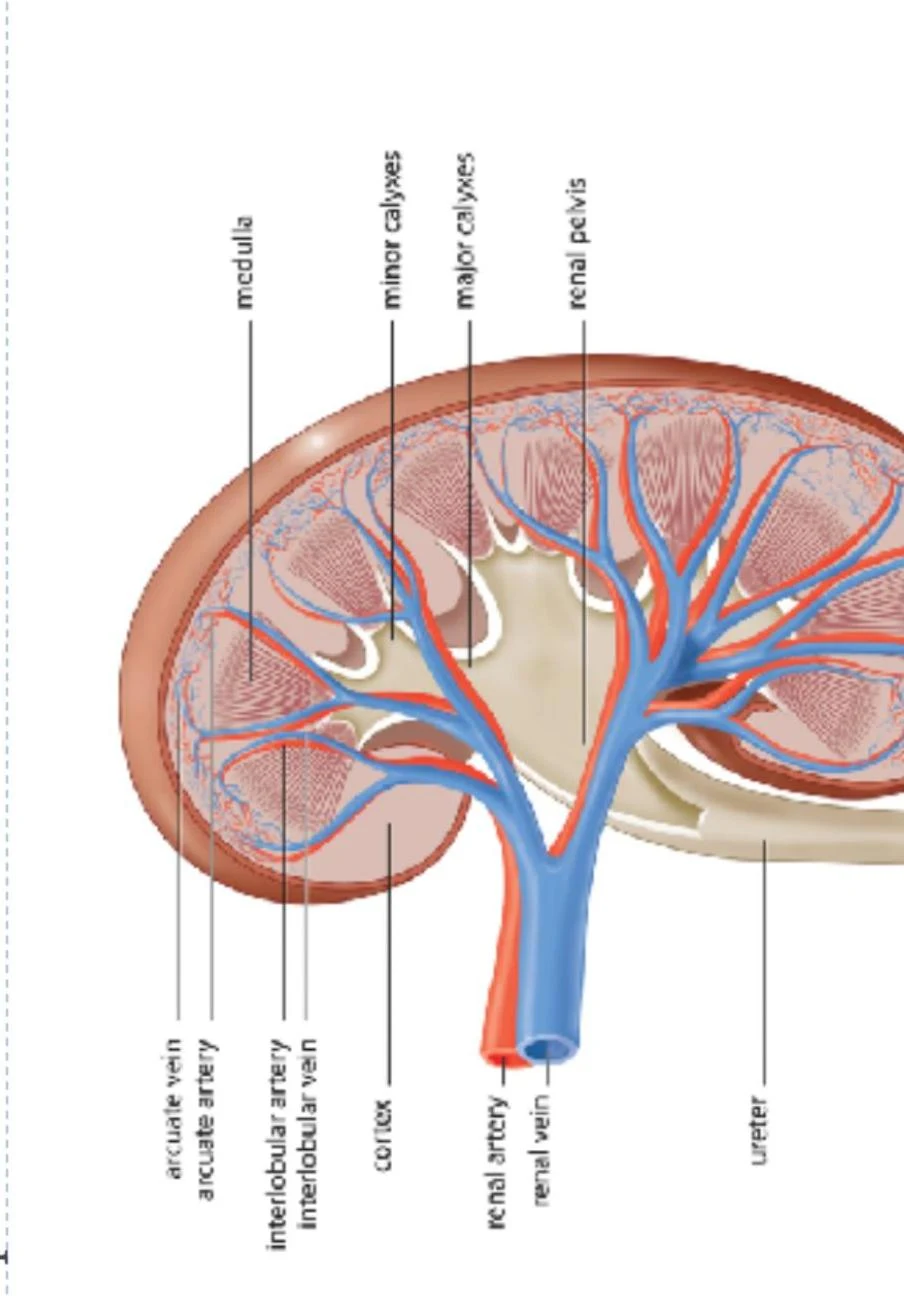
The pathophysiology of obstruction follows a predictable sequence of mechanical and cellular changes. When urine flow is blocked, urine begins to back up into the renal pelvis. This leads to several critical stages of damage:
1. Hydronephrosis and Dilatation
As urine accumulates behind the obstruction, the increased hydrostatic pressure causes the renal pelvis and calyces to dilate. This condition is known as hydronephrosis. In advanced stages, the calyces may become "blunted" due to the constant stretching and pressure.
2. Tubular Dysfunction and GFR Reduction
The renal tubules are typically the first structures to be affected by the rising pressure. The pressure forces filtrate back into the renal interstitium, disrupting the normal processes of tubular resorption and secretion.
Keep reading for free.
Create an account to finish this reading and make it part of your study routine.
Continue reading freeAlready have an account? Log in
Updated