


Renal calculi, commonly referred to as kidney stones, are small, hard mineral deposits that form within the kidney. While they can sometimes be asymptomatic, they often lead to significant clinical complications, including intense pain and potential obstruction of the urinary tract. Understanding the different types of stones and the mechanisms behind their formation is essential for diagnosing and managing renal disorders.
Stone Formation and Pathophysiology
The exact mechanism of stone formation is not fully understood, but several physiological factors significantly increase the likelihood of crystals precipitating into solid stones.
Key contributors to stone formation include:
- High concentrations of stone-forming substances in the urine.
- Low urine output, which prevents the dilution of minerals.
- Favorable pH levels that encourage precipitation.
- Loss of inhibitors that normally prevent crystals from clumping together.
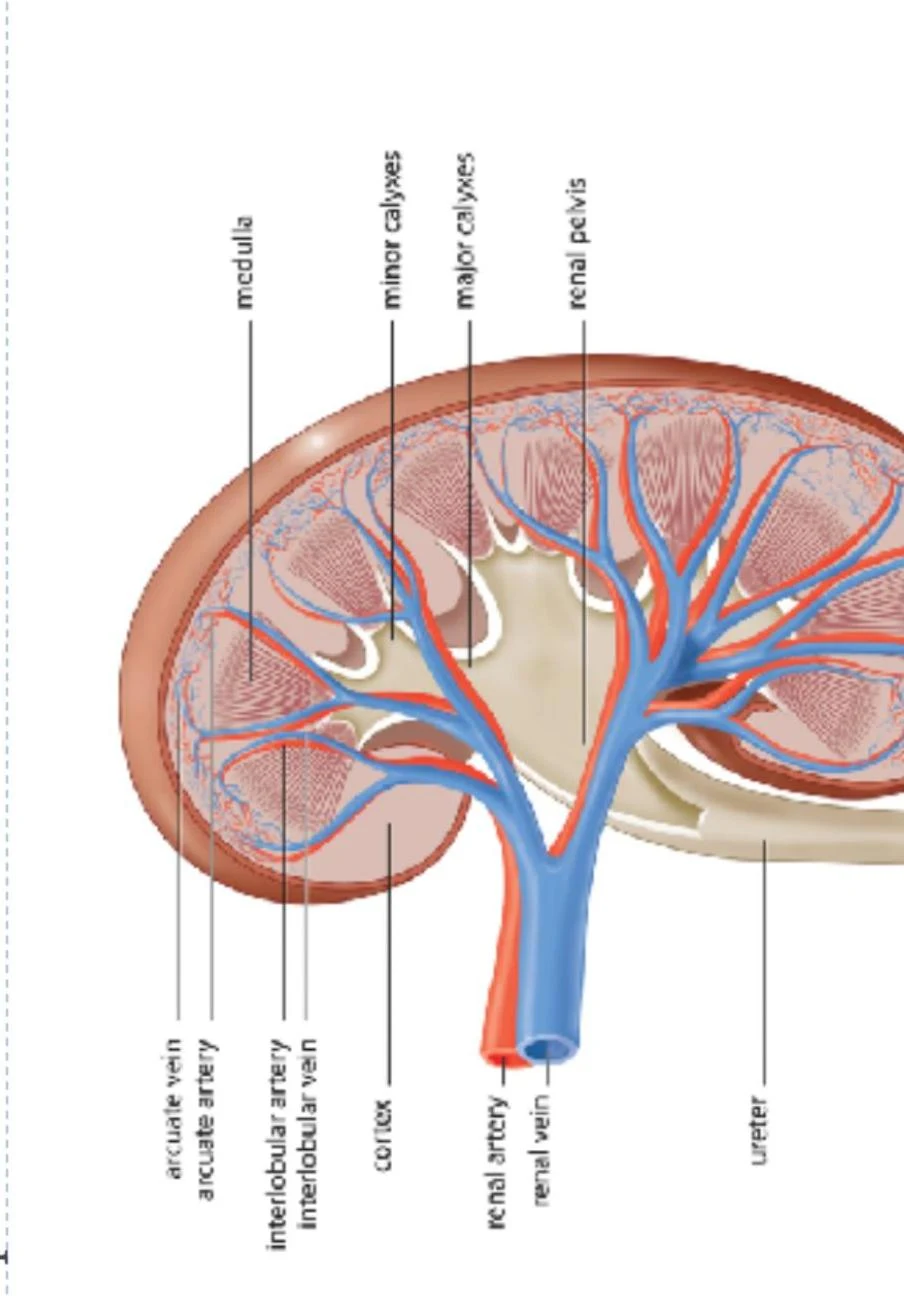
When these stones move through the urinary tract, they can cause "obstructive uropathy"—a structural or functional hindrance of normal urine flow. If a stone blocks the flow, urine backs up into the renal pelvis, increasing pressure. This pressure can force filtrate back into the interstitium, eventually causing atrophy of the renal tissue and compression of the blood vessels in the medulla.
Classification of Renal Calculi
Renal calculi are categorized based on their chemical composition. Identifying the type of stone is crucial for determining the underlying cause and preventing recurrence.
Keep reading for free.
Create an account to finish this reading and make it part of your study routine.
Continue reading freeAlready have an account? Log in
Updated