


Understanding respiratory health requires a clear distinction between how air moves into the lungs (ventilation) and how oxygen is exchanged into the bloodstream (perfusion). When these processes are disrupted by disease, the clinical presentation typically falls into one of two major categories: obstructive or restrictive patterns. This article explores the pathophysiology, diagnostic tools, and nursing management for the most common respiratory conditions encountered in clinical practice.
Pneumonia: Infection and Consolidation
Pneumonia is a significant respiratory condition characterized by an infection of the lung tissue. The pathophysiology involves a complex immune response where white blood cells (WBCs) migrate to the affected area, causing alveolar walls to thicken with fluid. This process can lead to empyema and the accumulation of fibrin and edema, which ultimately results in consolidation—a state where the lung tissue becomes stiff and less efficient at gas exchange.
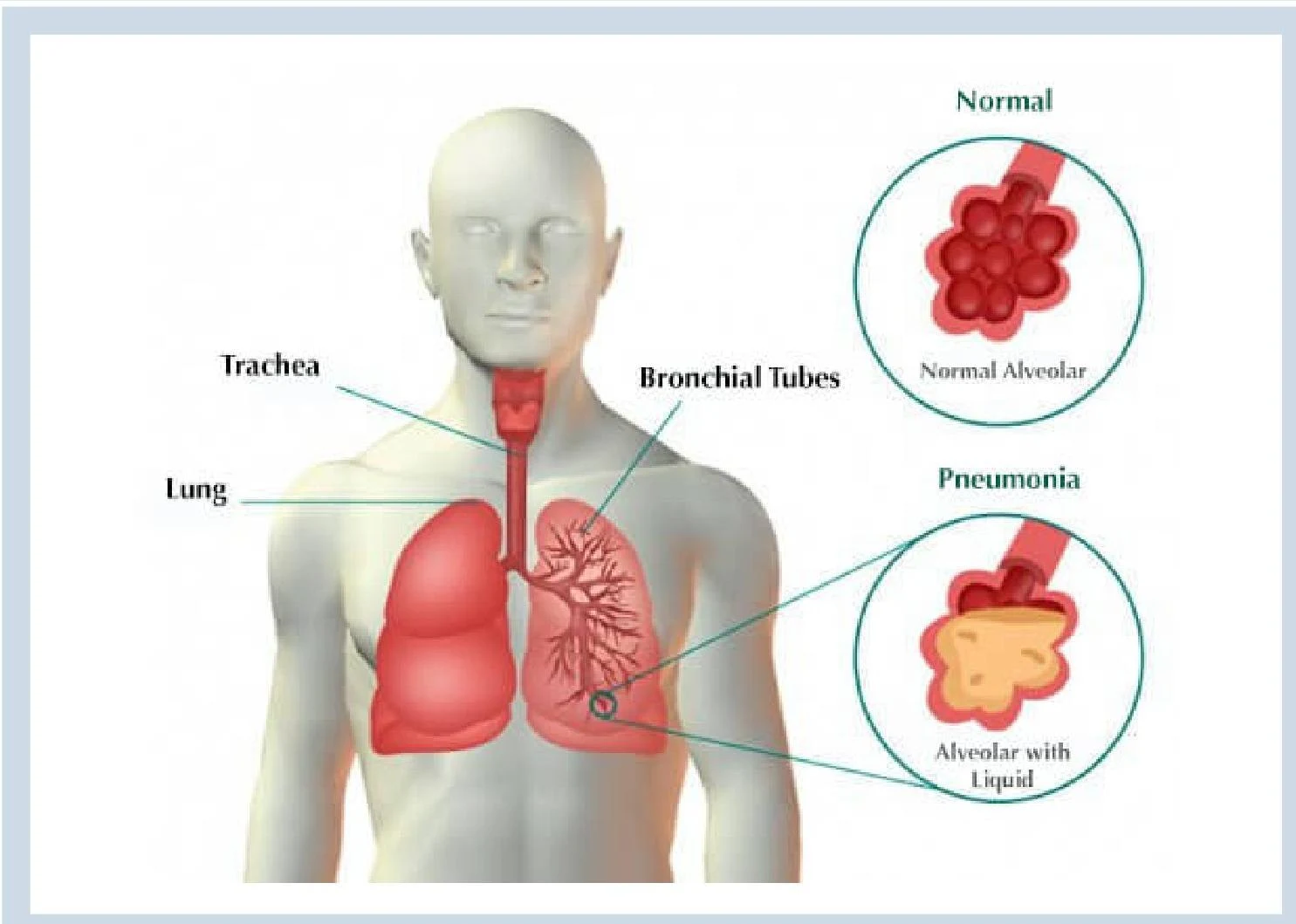
The etiologies of pneumonia are categorized into two types:
- Infectious: Caused by organisms such as bacteria, viruses, or fungi. These can be community-acquired or healthcare-acquired.
- Non-infectious: Often caused by the aspiration of food, water, or vomitus, or exposure to toxic gases and chemical fumes.
Nursing Alert: Pneumonia is a major cause of death in the United States, with an estimated 1–5 million cases annually. Prompt assessment of oxygen saturation, sputum, and cough is critical.
Management for pneumonia focuses on symptom relief and treating the underlying cause. Interventions include administering antibiotics, using nebulizers, providing oxygen therapy, and utilizing incentive spirometry to encourage deep breathing. Nurses should also monitor for airway obstruction and refer patients to speech therapy if aspiration is a suspected cause.
Keep reading for free.
Create an account to finish this reading and make it part of your study routine.
Continue reading freeAlready have an account? Log in
Updated