


Mastering advanced pathophysiology requires more than just memorizing symptoms; it requires an understanding of the underlying mechanisms that drive clinical presentations. For students preparing for NR 507, success lies in connecting physiological disruptions—such as neurotransmitter imbalances, hormonal feedback loops, and inflammatory cascades—to the specific diseases encountered in clinical practice. This article synthesizes key concepts across respiratory, hematologic, neurological, gastrointestinal, endocrine, and psychiatric systems to provide a coherent study guide.
Respiratory and Hematologic Mechanisms
Understanding acid-base balance and blood composition is fundamental to managing acute and chronic patients.
Respiratory Acidosis
Respiratory acidosis is a condition characterized by an accumulation of carbon dioxide () in the blood. This occurs primarily due to impaired ventilation, where the lungs are unable to effectively exhale . A classic clinical example is a COPD exacerbation, where airway obstruction and alveolar damage lead to retention.
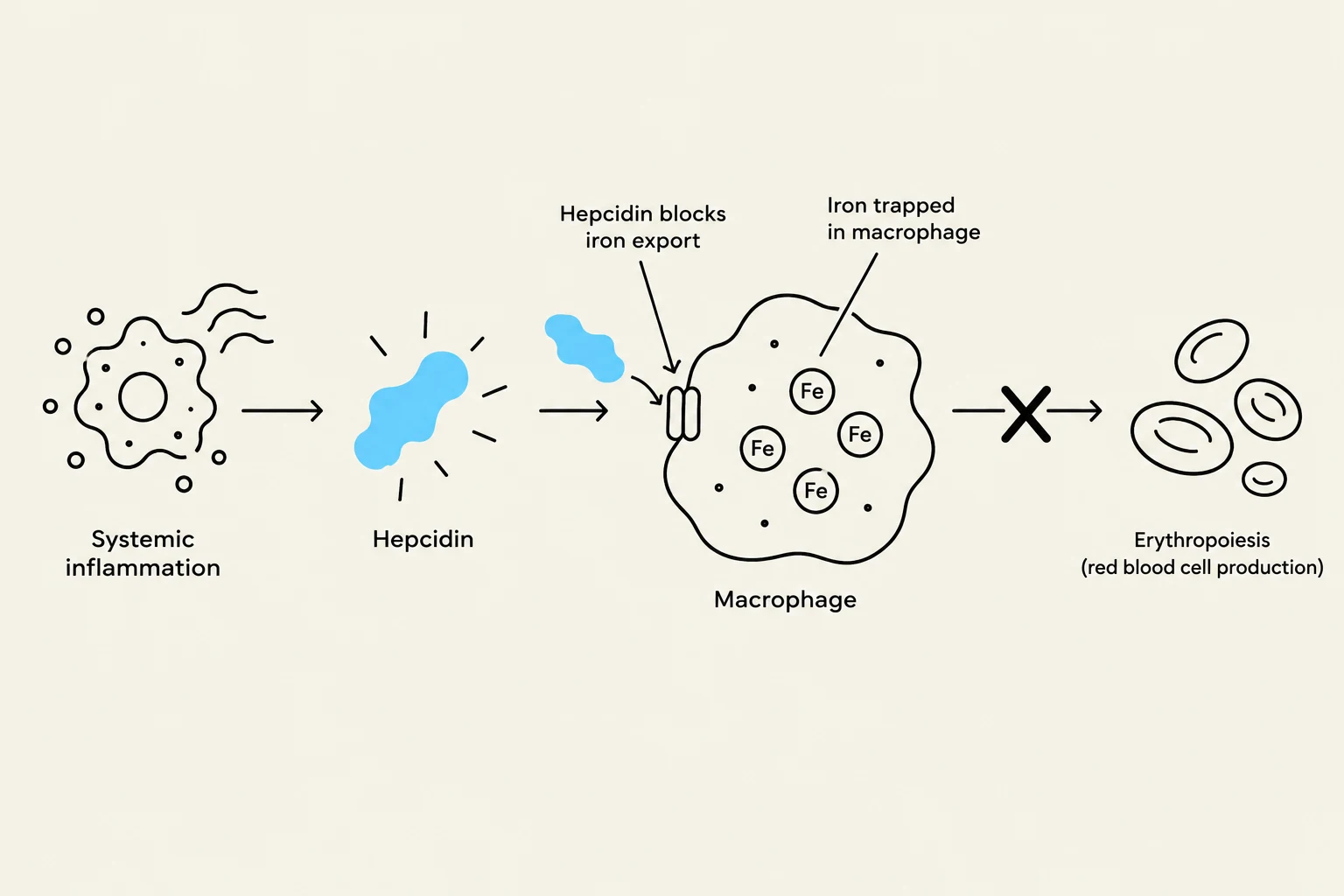
Anemia of Chronic Disease
Neurological Syndromes and Endocrine Pathologies
Neurological and endocrine disorders often involve autoimmune processes that disrupt normal cellular function.
Guillain-Barré Syndrome (GBS)
GBS is an acute inflammatory demyelinating polyneuropathy that often follows a viral infection. It is clinically characterized by ascending paralysis, where muscle weakness begins in the lower extremities and moves upward. A critical diagnostic hallmark is albuminocytologic dissociation, a finding in the cerebrospinal fluid (CSF) where there is an elevated CSF protein level but a normal WBC count. Because GBS can affect the diaphragm, monitoring respiratory muscle strength is a clinical priority.
Keep reading for free.
Create an account to finish this reading and make it part of your study routine.
Continue reading freeAlready have an account? Log in
Updated