


Inflammation is a fundamental, non-specific, and universal physiological response of living tissue to injury. Whether the trigger is physical (heat, radiation), chemical (acids), or biological (infections), the body initiates an inflammatory response to destroy invading microorganisms, dilute toxins, deliver antibodies to the site, and begin the healing process. While intended to be beneficial, inflammation can also cause undesirable side effects, such as intense pain or the compression of vital organs.
In pathology, we distinguish between two primary types of inflammatory responses: exudative (acute) and formative (chronic).
The Acute Inflammatory Response: Exudative Inflammation
Exudative inflammation is characterized by its short duration and is primarily a local phenomenon. This response is driven by changes in the micro-circulation and is promoted by chemical mediators rather than neural involvement.
The Cardinal Signs
When exudative inflammation occurs, it classically presents with five cardinal signs:
- Heat
- Redness
- Swelling
- Pain
- Loss or impairment of function
Outcomes of Acute Inflammation
Under normal circumstances, the exudative response is self-limiting and leads to the complete restoration of the injured area. However, certain complications can arise:
- Suppuration: The formation of pus, often caused by pyogenic bacteria such as Staphylococcus aureus.
- Fibrosis: If significant tissue destruction has occurred, the area may be replaced by fibrous tissue.
Exam Tip: Remember that the cardinal signs of acute inflammation are a direct result of changes in the micro-circulation.
The Chronic Inflammatory Response: Formative Inflammation
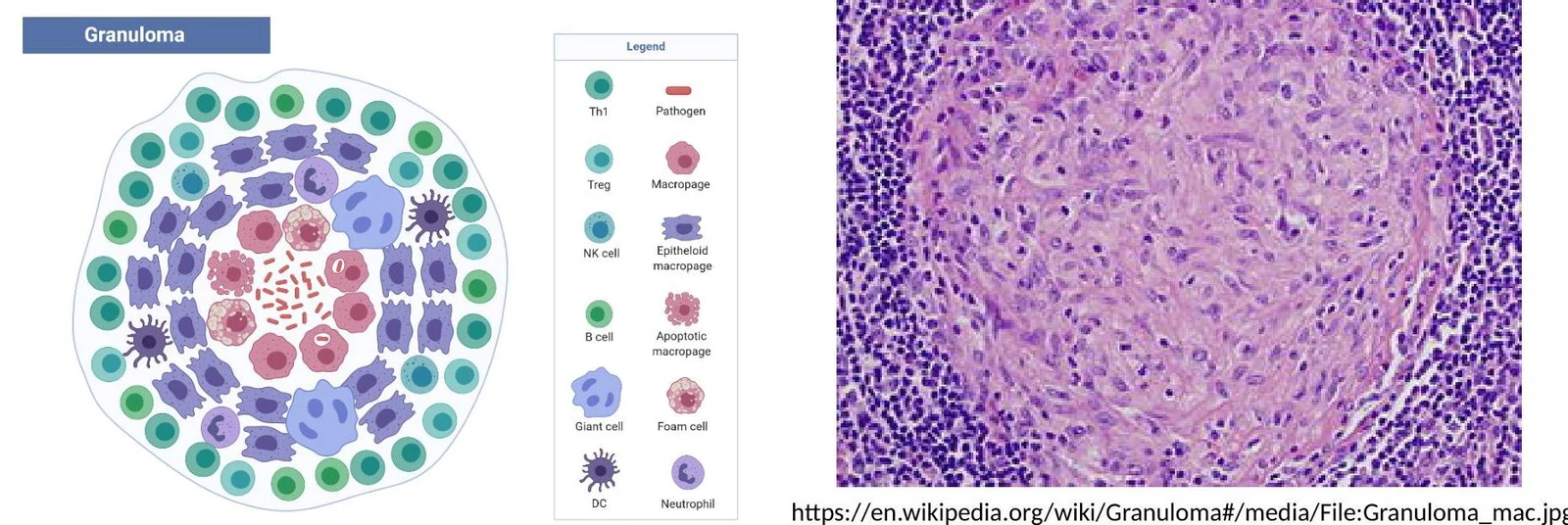
Formative (or productive) inflammation is a long-duration response caused by long-term injury or insults. These insults are often of low toxicity or low invasive ability, leading to a prolonged conflict between the host and the causative agent.
Keep reading for free.
Create an account to finish this reading and make it part of your study routine.
Continue reading freeAlready have an account? Log in
Updated