


In veterinary medicine, certain Gram-negative bacteria are notorious not because they are ingested from contaminated food, but because they are already present within the host. Members of the Pasteurellaceae family—including genera such as Mannheimia, Pasteurella, Avibacterium, and Bibersteinia—often exist as normal inhabitants of the oropharyngeal and gastrointestinal tracts. These organisms are considered endogenous sources of infection, meaning they are already part of the host's microbiota. However, when the host's immune system is compromised or environmental conditions shift, these resident bacteria can transition into opportunistic pathogens, invading deeper tissues and causing severe systemic or respiratory disease.
Transmission and Epidemiology
While these bacteria are endogenous, they can also be spread between animals or even to humans through several routes:
- Inhalation: Airborne droplets from coughing or sneezing.
- Ingestion: Consuming contaminated material.
- Bites and Scratches: Direct inoculation of bacteria (such as P. multocida) into wounds or surgical sites.
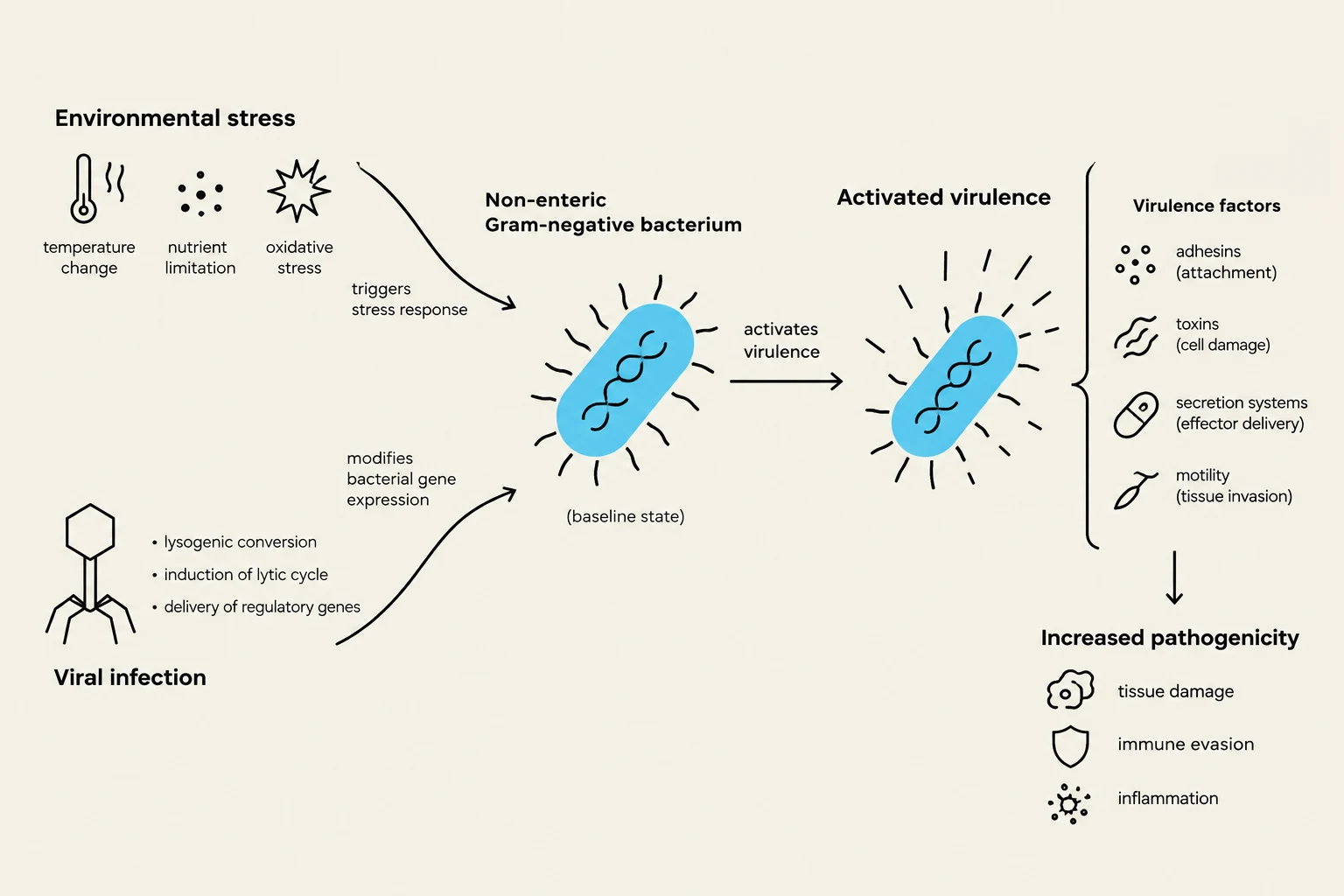
The transition from a harmless resident to a deadly pathogen is often triggered by specific risk factors. In ruminants, these include the stress of transportation, recent weaning, crowding, inclement weather, and inadequate ventilation. Viral infections (such as Bovine Herpesvirus 1 or BRSV) often act as the "first blow," weakening the mucosal defenses and allowing the bacteria to descend into the lower respiratory tract.
Virulence Factors: The Pathogen's Toolkit
The ability of these bacteria to cause disease depends on a sophisticated array of virulence factors that allow them to adhere to, survive within, and destroy host tissues.
- Adhesins: Located on fimbriae, these allow the bacteria to attach to host cells. Their expression is highly dependent on the environmental conditions the bacteria encounter.
- Capsule: A critical protective layer that provides antiphagocytic properties (preventing white blood cells from eating the bacteria), aids in adhesion, and protects the outer membrane.
- Siderophores: These are specialized molecules used for iron acquisition, allowing the bacteria to steal essential iron from the host's blood and tissues to fuel their growth.
- Toxins: These are the primary drivers of tissue damage:
- RTX Toxins: These include leukotoxins (which destroy white blood cells) and hemolysins (which rupture red blood cells). This is a hallmark of Mannheimia haemolytica pathogenesis.
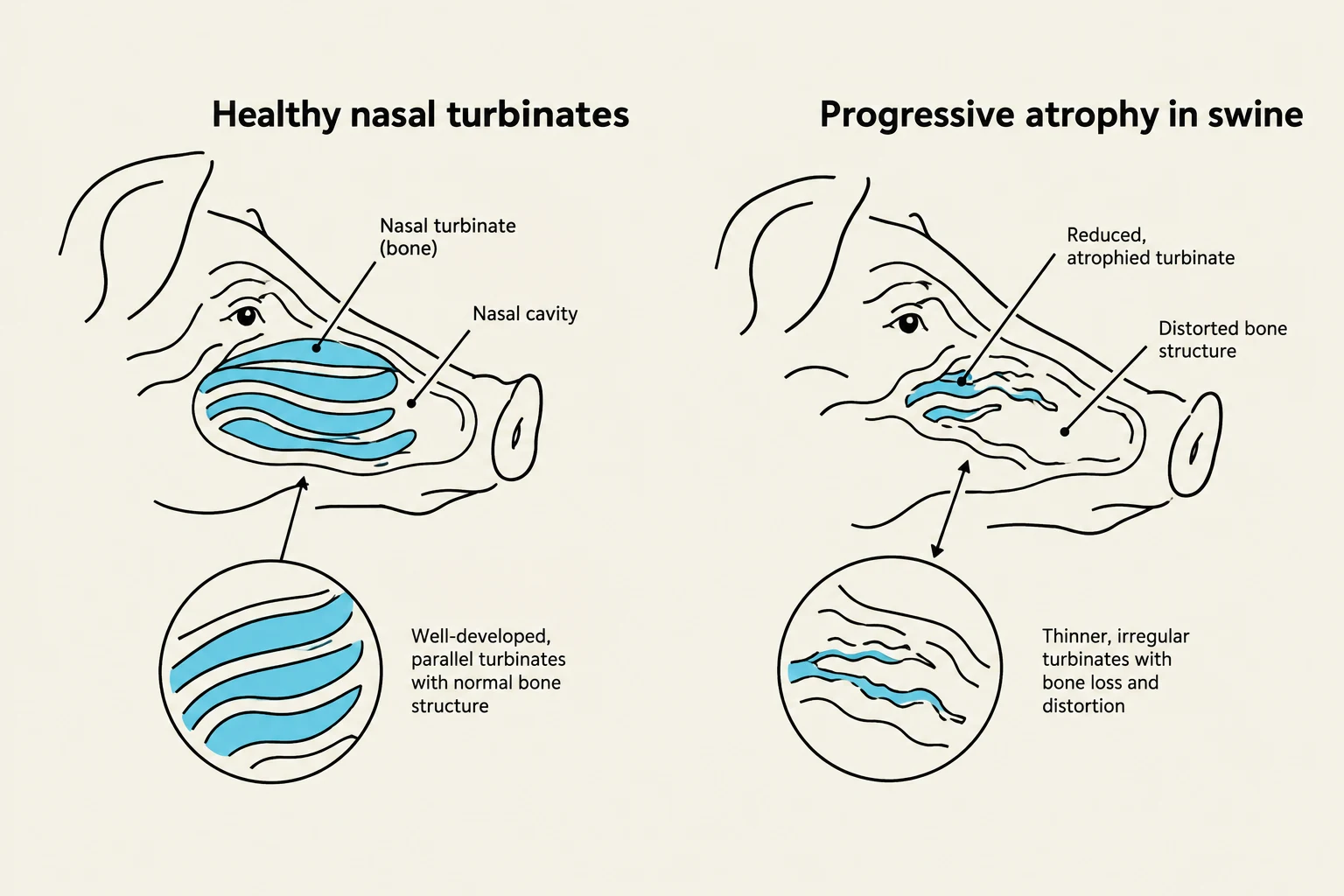
- Rho-activating toxins: Specifically linked to the destruction of nasal turbinates in swine.
- Dermonecrotic toxins: Produced by organisms like Bordetella bronchiseptica, causing tissue necrosis.

Keep reading for free.
Create an account to finish this reading and make it part of your study routine.
Continue reading freeAlready have an account? Log in
Updated