


Diabetes mellitus is a complex metabolic disorder characterized by chronic hyperglycemia (high blood sugar) resulting from defects in insulin secretion, insulin action, or both. To understand diabetes, one must first understand the pancreas. The pancreas serves a dual role: it acts as an exocrine gland, producing digestive enzymes for the duodenum, and as an endocrine gland, producing hormones like insulin. While diseases affecting the digestive function of the pancreas are common, they do not necessarily impair the insulin-producing capacity of the endocrine system. However, when the endocrine function is compromised, the resulting metabolic disturbances lead to the clinical manifestations of diabetes.
Pathogenesis of Type 1 Diabetes
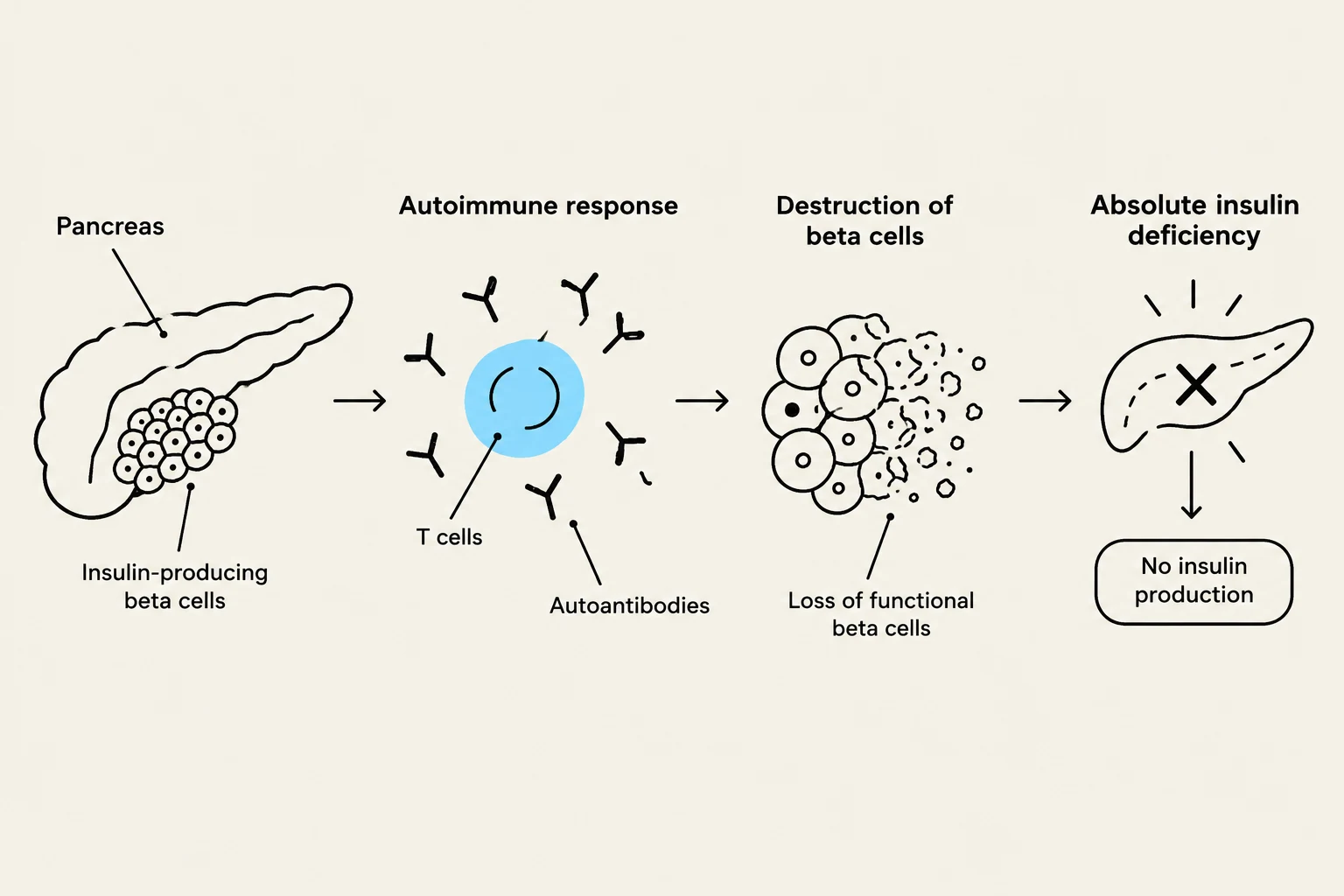
Type 1 Diabetes Mellitus (DM1) is primarily characterized by an absolute deficiency of insulin. The pathogenesis typically involves an autoimmune destruction of the insulin-producing beta cells within the pancreatic islets.
When these beta cells are destroyed, the body can no longer produce sufficient insulin to facilitate the uptake of glucose from the bloodstream into the cells. This leads to a state of cellular starvation amidst plenty—the blood is saturated with glucose, but the cells cannot access it. Consequently, the body shifts to alternative energy sources, such as fat metabolism, which can lead to the production of ketones and subsequent ketoacidosis.
Exam Tip: In clinical scenarios, remember that Type 1 Diabetes often presents more acutely than Type 2, frequently manifesting with symptoms of dehydration and ketoacidosis due to the rapid onset of insulin deficiency.
Keep reading for free.
Create an account to finish this reading and make it part of your study routine.
Continue reading freeAlready have an account? Log in
Updated