


In the study of chemistry, reactions are often categorized by how they transform matter. While acid–base reactions involve the transfer of protons ($H^+$ ions) and precipitation reactions involve the formation of solids, oxidation–reduction reactions (commonly known as redox reactions) are defined by the movement of electrons. Understanding these reactions is fundamental to everything from how batteries produce electricity to how our bodies convert food into energy.
Understanding Oxidation–Reduction Reactions
At its core, a redox reaction is a chemical process where electrons are transferred from one substance to another. Because electrons carry a negative charge, their movement changes the electrical state of the atoms involved. To keep track of these movements in complex chemical equations, chemists use a bookkeeping system known as oxidation states.
Oxidation states are hypothetical charges assigned to atoms within a molecule or ion. By following a specific set of rules, we can determine whether an atom has lost or gained electrons during a reaction.
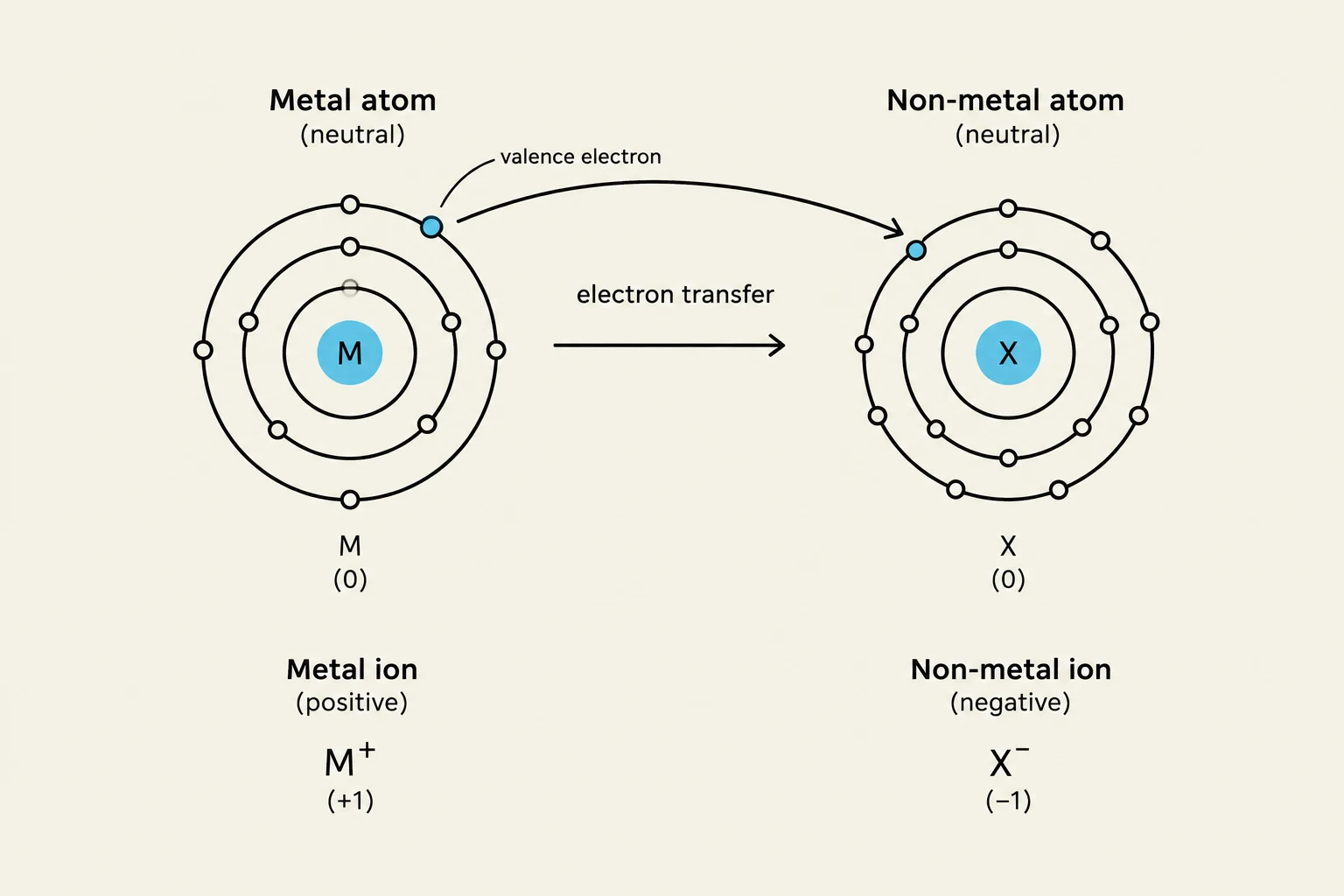
Oxidation vs. Reduction
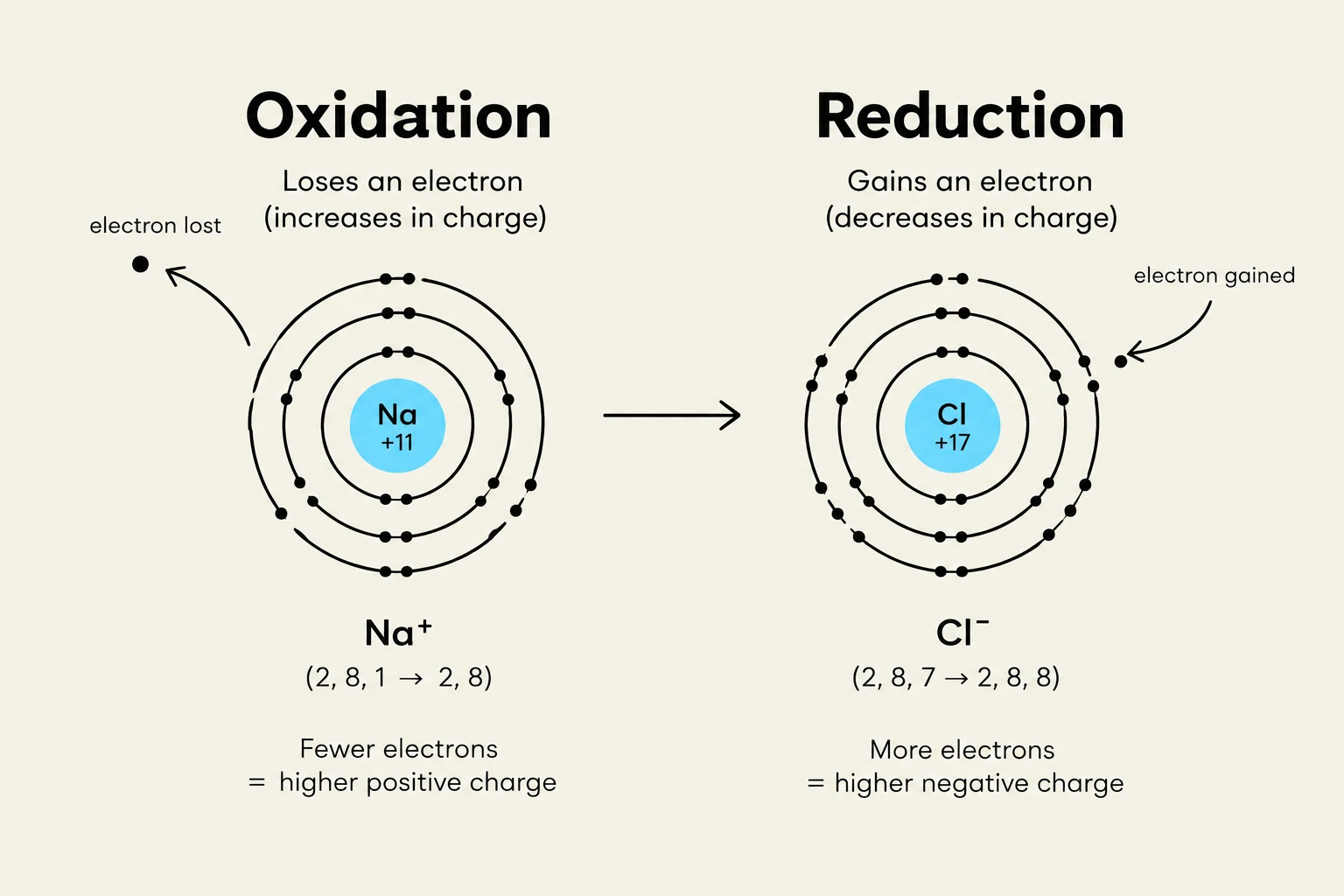
To master redox chemistry, you must be able to distinguish between the two simultaneous processes occurring in every reaction: oxidation and reduction.
Oxidation
Oxidation is defined as an increase in the oxidation state of an atom. On a molecular level, this corresponds to the loss of electrons. If an atom's oxidation state goes from to , it has "given up" two negative charges, resulting in a higher positive number.
Keep reading for free.
Create an account to finish this reading and make it part of your study routine.
Continue reading freeAlready have an account? Log in
Updated