


The digestive system is a complex network of organs designed to perform a singular, vital mission: to break down the food you eat, release its essential nutrients, and absorb those nutrients into the body. This process is not merely about eating; it involves a highly coordinated sequence of mechanical and chemical actions that transform complex food molecules into fuel for your cells.
The Two Main Components: Alimentary Canal and Accessory Organs
The digestive system is divided into two primary categories: the alimentary canal and the accessory digestive organs.
The Alimentary Canal
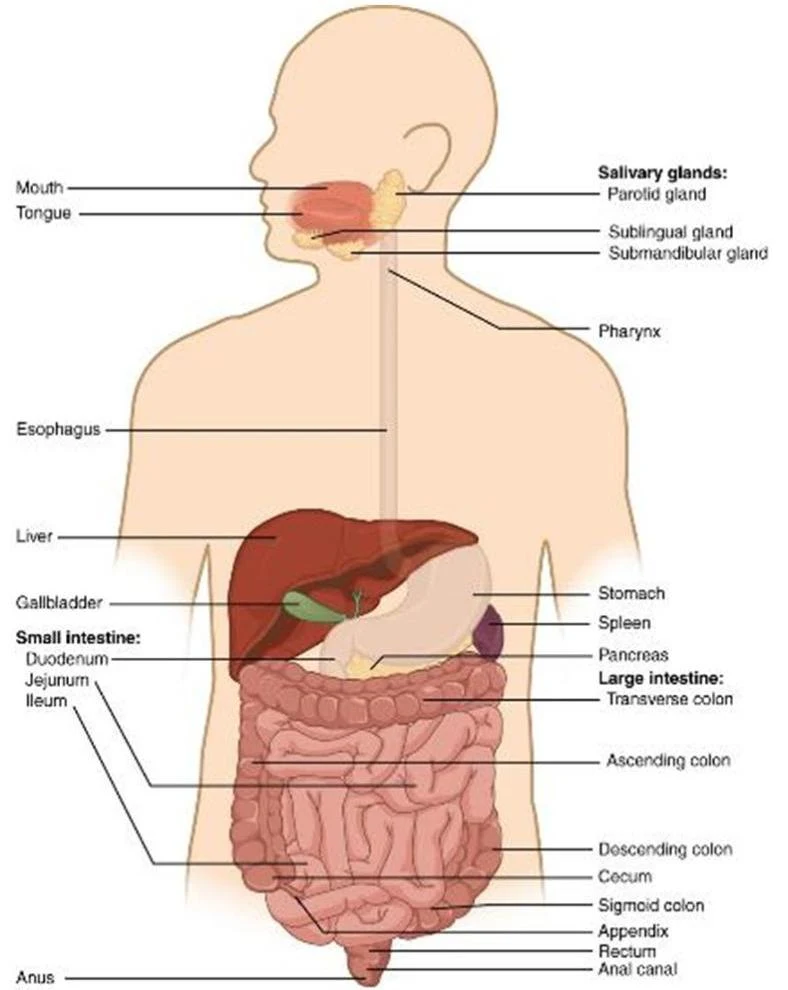
The alimentary canal, also known as the gastrointestinal (GI) tract or the "gut," is a continuous tube approximately 25 feet long. It begins at the mouth and terminates at the anus. Along this path, the tube is modified into several specialized structures, including the pharynx, esophagus, stomach, small intestine, and large intestine.
Accessory Digestive Organs
While food does not pass through them in the same way it travels through the canal, the accessory organs are critical for orchestrating the breakdown of food and the assimilation of nutrients. These organs "sprout" from the lining cells of the developing gut and augment its function. They include:
- Teeth and Tongue: Located in the mouth to begin the process.
- Salivary Glands: Initiate chemical digestion via secretions.
- Liver, Pancreas, and Gallbladder: These organs release essential secretions, such as bile and enzymes, into the small intestine to ensure digestion continues.
Keep reading for free.
Create an account to finish this reading and make it part of your study routine.
Continue reading freeAlready have an account? Log in
Updated