


In the natural world, plants are not merely passive organisms; they are complex chemical factories. To survive environmental stressors, they produce a vast array of bioactive compounds known as phytochemicals. While these compounds serve to protect plants from pests and diseases, they also provide significant health benefits to humans when consumed as part of a diet rich in vegetables, fruits, cereal grains, and plant-based beverages like tea and wine.
Phytochemicals are characterized by being low in calories and high in fiber, often working alongside vitamins and minerals to promote disease prevention. One of their most critical roles in human health is the ability to fend off cancer by stimulating the immune system and reducing the chronic inflammation that can lead to tumor growth.
The Power of Antioxidants
A primary mechanism through which many phytochemicals protect the body is by acting as antioxidants. Antioxidants help neutralize unstable molecules that can damage cells, thereby reducing the risk of various chronic conditions.
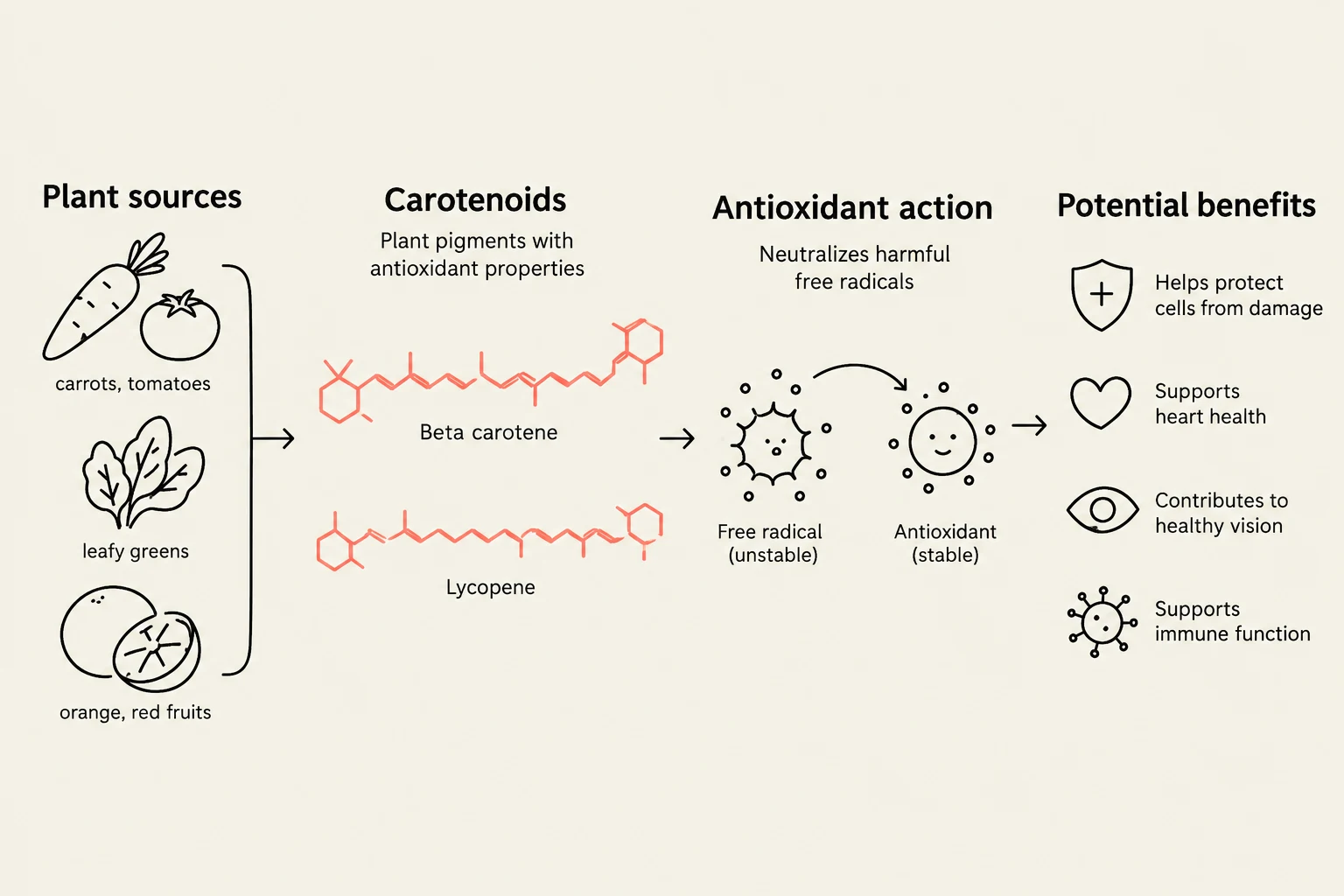
Carotenoids
Carotenoids are a group of deeply pigmented phytochemicals found in brightly colored fruits and vegetables. They are essential for both visual health and cellular protection.
- Beta carotene: A precursor to Vitamin A, often found in orange vegetables.
- Lycopene: A powerful pigment found in red fruits.
- Lutein & Zeaxanthin: Specific carotenoids that are vital for promoting eye health.
Keep reading for free.
Create an account to finish this reading and make it part of your study routine.
Continue reading freeAlready have an account? Log in
Updated