


An ostomy is a surgically created opening in the digestive tract that allows for the elimination of waste. While the procedure is life-saving for patients with conditions such as colon cancer, diverticulitis, inflammatory bowel disease (IBD), or trauma, it requires significant postoperative monitoring and long-term lifestyle adjustments. For nursing professionals, understanding the physiological differences between ostomy types and mastering the nuances of stoma assessment is critical to preventing complications like dehydration and skin breakdown.
Types of Ostomies
The characteristics of an ostomy—specifically the consistency and volume of the output—are determined by the anatomical location of the stoma within the digestive tract.
Colostomy
A colostomy is an opening created in the large intestine (colon). Because the primary function of the colon is to absorb water and form stool, the output from a colostomy varies depending on where the surgery was performed.
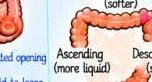
For example, an ascending colostomy is located earlier in the colon where water absorption is less complete, resulting in more liquid output. As the stoma location moves further down the colon (toward the descending or sigmoid colon), the stool becomes increasingly more formed.
Ileostomy
An ileostomy is a surgically created opening in the small intestine. Because the small intestine is responsible for nutrient absorption and occurs before the large intestine can absorb significant amounts of water, the output from an ileostomy is typically continuous and liquid.
Clinical Note: Regardless of the type, output typically does not begin immediately after surgery. Nurses should expect peristalsis to return within days postoperatively.
Keep reading for free.
Create an account to finish this reading and make it part of your study routine.
Continue reading freeAlready have an account? Log in
Updated