


In the study of consumer behavior, understanding how people learn is essential for predicting how they will react to brands, advertisements, and products. Learning is defined as a relatively permanent change in behavior resulting from experience. While some learning is intentional—such as a consumer researching a product—much of it is incidental, occurring through repeated exposure or habits without conscious effort.
Behavioral learning theories focus on observable changes in behavior, often ignoring internal mental processes. Within this framework, one of the most powerful mechanisms for shaping behavior is operant conditioning.
Classical vs. Operant Conditioning
To understand operant conditioning, it is helpful to distinguish it from its counterpart: classical conditioning.
- Classical Conditioning involves learning through association. It occurs when a neutral stimulus is paired with another stimulus to elicit an involuntary, automatic response. For example, pairing a brand with an attractive celebrity can create a positive emotional response to the brand itself.
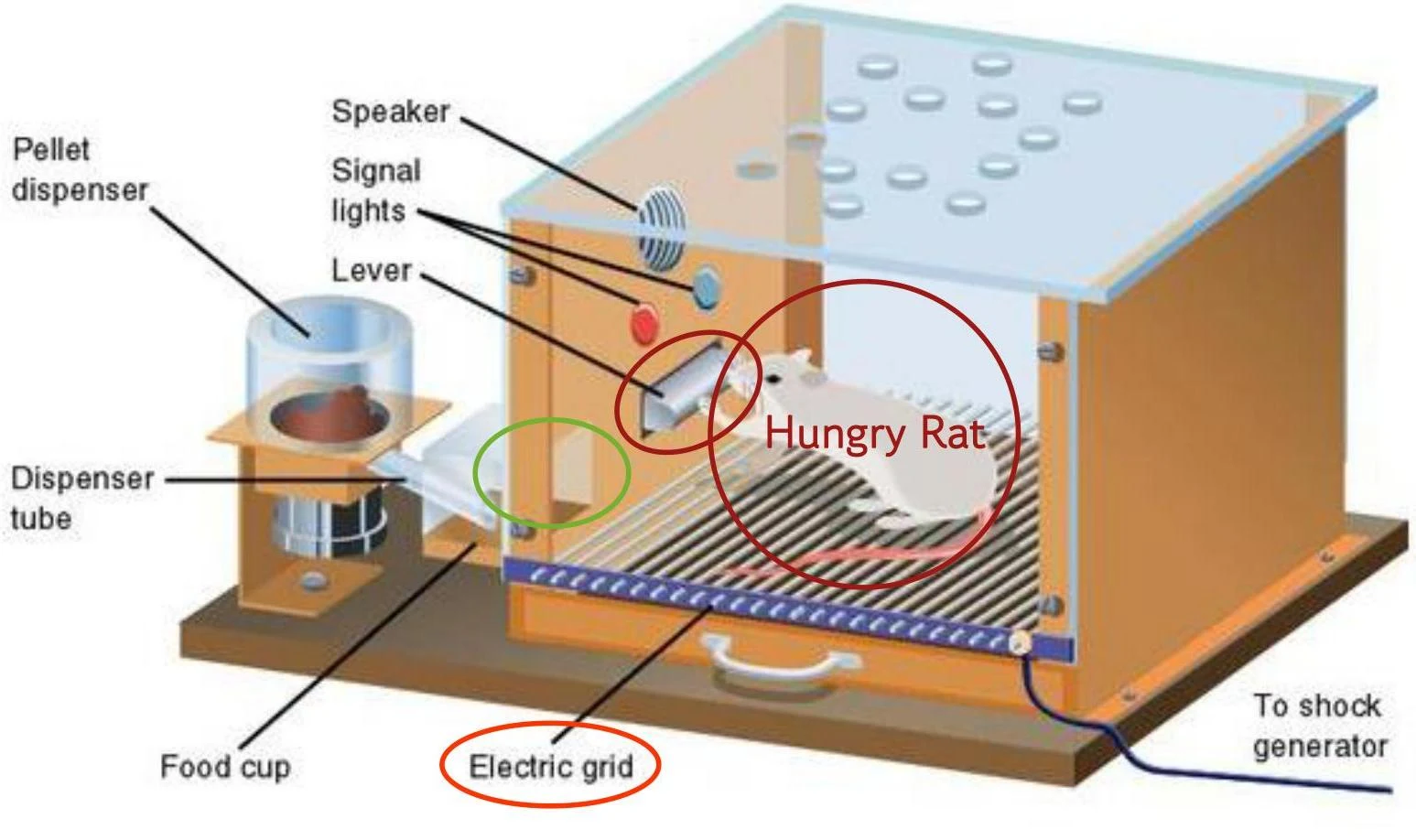
- Operant Conditioning (also known as instrumental conditioning) is a process where voluntary behavior is shaped by its consequences. Unlike the automatic responses of classical conditioning, operant conditioning deals with intentional actions. If a behavior is followed by a satisfying outcome, it is likely to be repeated; if it is followed by an unsatisfying outcome, it is likely to be weakened.
Exam Tip: If the behavior is an automatic, emotional, or physiological response (like salivating or feeling fear), think Classical Conditioning. If the behavior is a deliberate action (like clicking a link or buying a product), think Operant Conditioning.
The Four Quadrants of Operant Conditioning
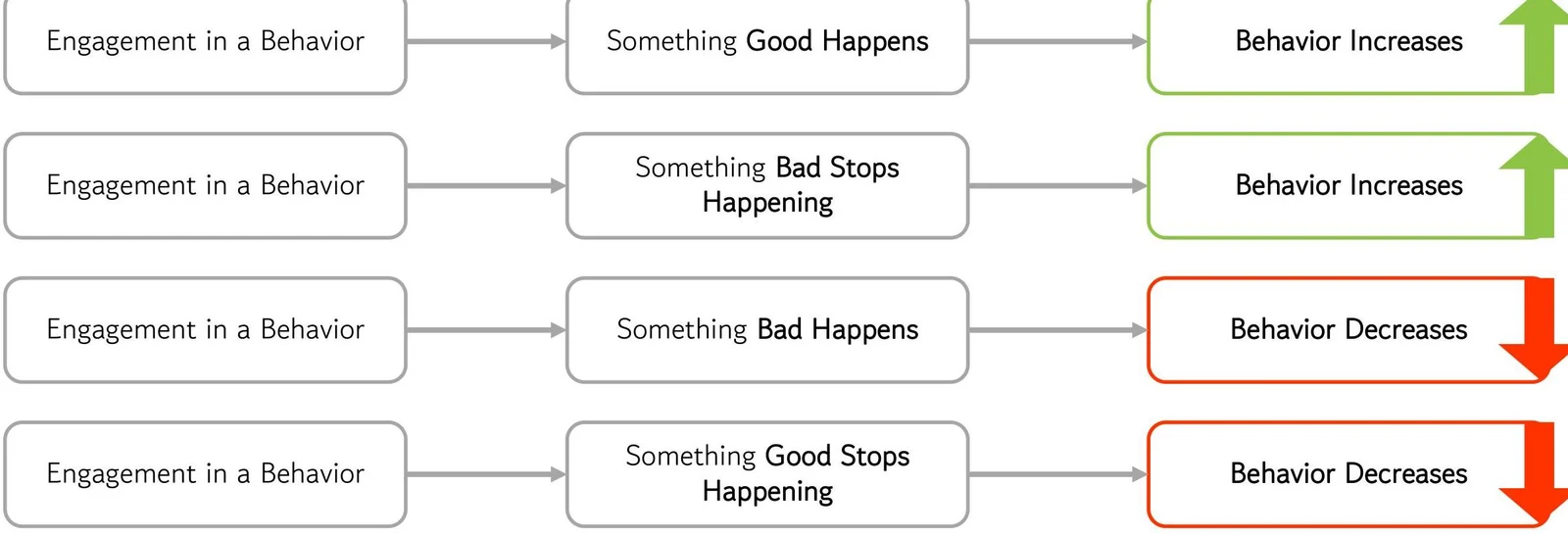
Operant conditioning uses two primary tools to influence behavior: reinforcement (to increase a behavior) and punishment (to decrease a behavior). These tools are further categorized by whether they involve adding a stimulus (positive) or removing one (negative).
Keep reading for free.
Create an account to finish this reading and make it part of your study routine.
Continue reading freeAlready have an account? Log in
Updated