


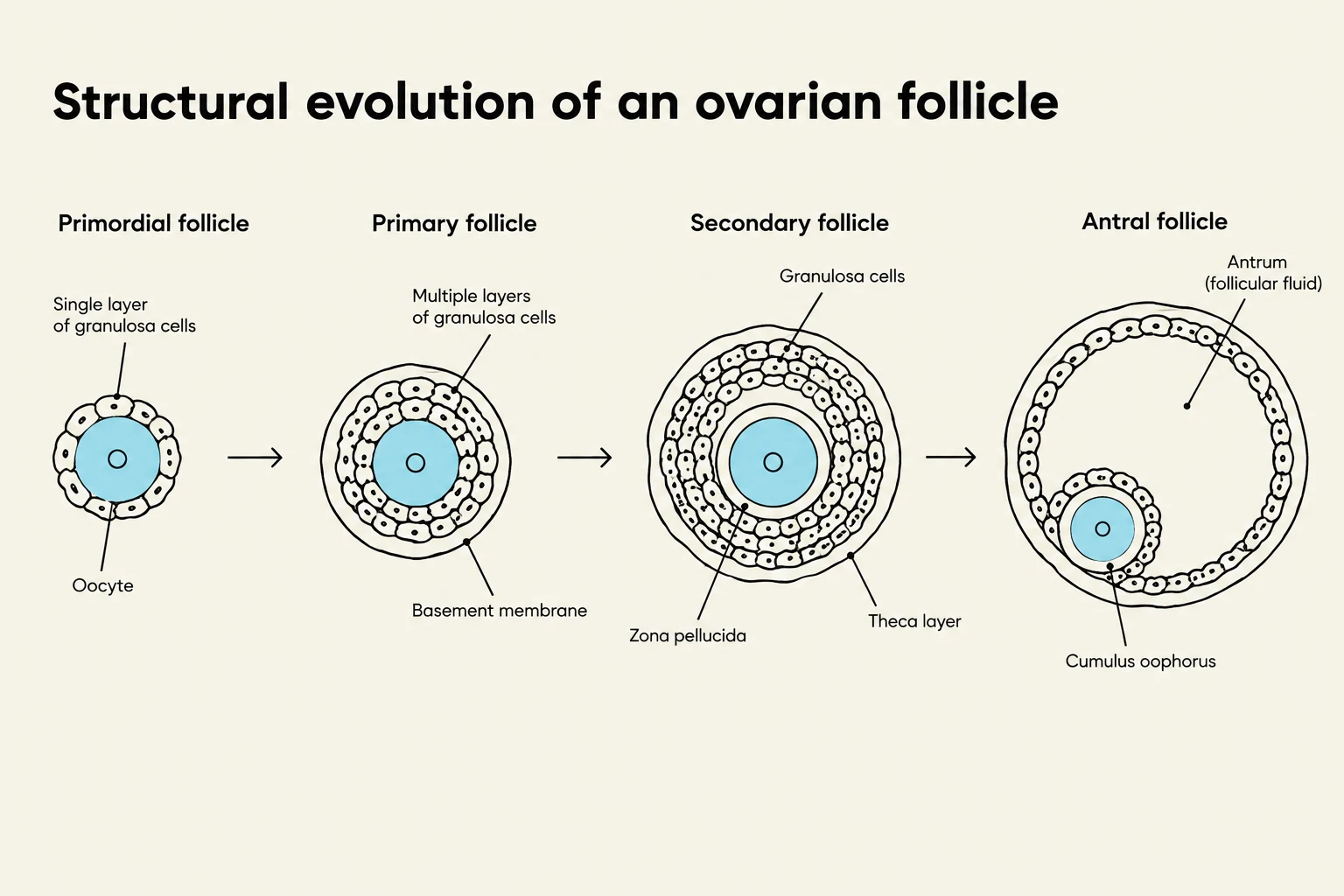
The female reproductive system is a complex biological engine designed to produce gametes, secrete regulatory hormones, and support the development of a new life. Central to this function are two distinct but deeply interconnected processes: oogenesis, the development of the female egg (oocyte), and folliculogenesis, the maturation of the ovarian follicles that house and protect these oocytes. Understanding how these processes transition from fetal development through puberty and into the menstrual cycle is essential for grasping human reproductive physiology.
Oogenesis: The Development of the Egg
Oogenesis is the process of oocyte development occurring within the ovaries. While the terms "oocyte," "ovum," and "egg" are often used interchangeably, they represent different stages of a single developmental journey.
Fetal Development and Early Stages
The journey begins before birth. During embryonic development, primordial germ cells migrate to the developing gonads to become oogonia. These oogonia undergo continuous mitotic division to increase their numbers. Eventually, these cells enter meiosis I to transform into primary oocytes.
At this stage, oogenesis reaches a significant pause: the primary oocytes arrest during prophase I of meiosis I and remain in this dormant state until puberty.
Maturation and Ovulation
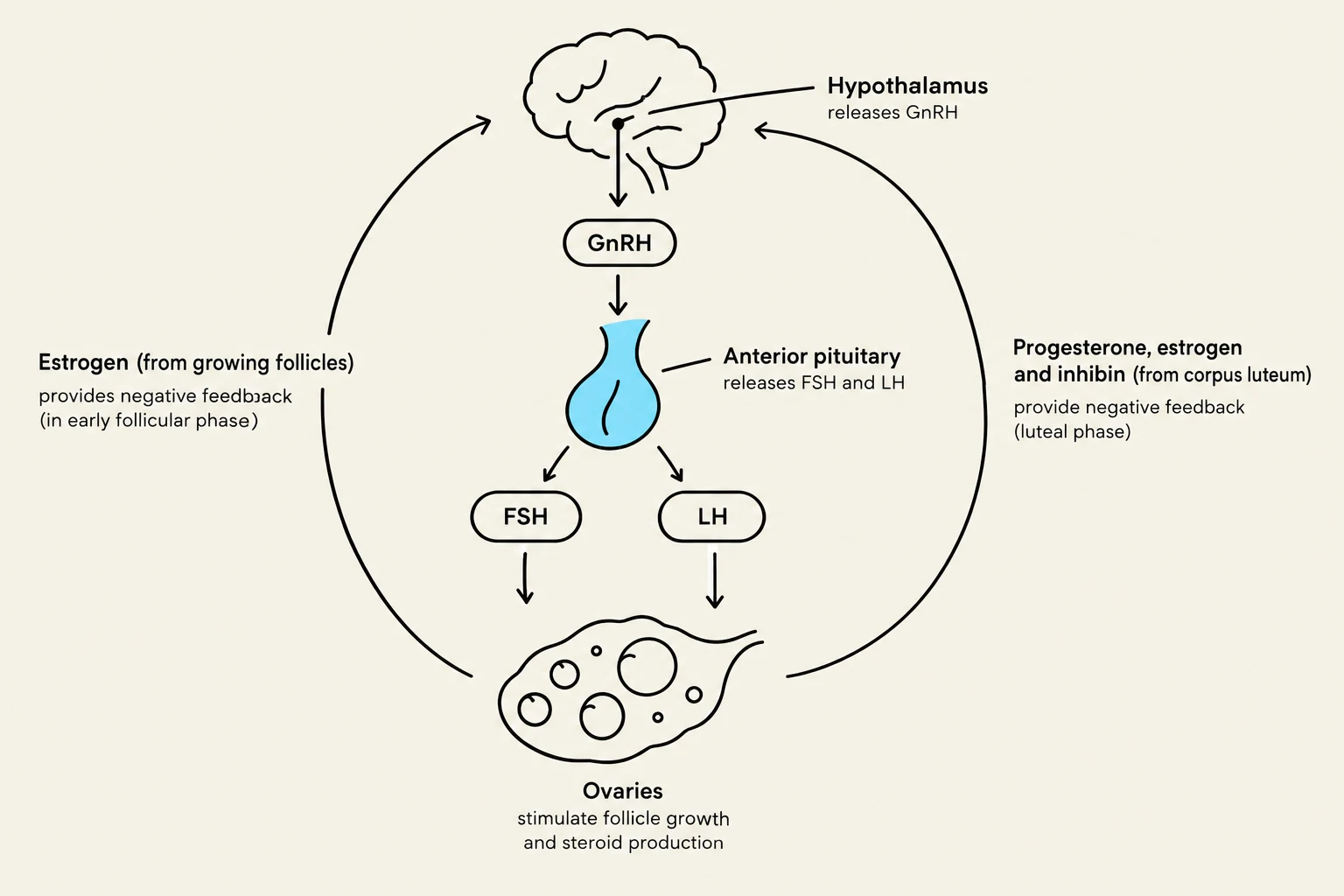
Once puberty begins, hormonal signals trigger the completion of meiosis I in selected oocytes. This division is unequal, resulting in a large secondary oocyte and a much smaller, non-functional cell called a first polar body.
The secondary oocyte is the cell actually released during ovulation. If fertilization by a sperm occurs, the secondary oocyte will then enter meiosis II, halting again in metaphase until the moment of sperm penetration.
Keep reading for free.
Create an account to finish this reading and make it part of your study routine.
Continue reading freeAlready have an account? Log in
Updated