


In a healthy parliamentary democracy, the government is granted immense power to collect taxes, create laws, and manage public resources. However, this power must be checked to prevent corruption, waste, and inefficiency. While the legislature (Parliament) is responsible for overseeing the executive (the Government), Parliament itself often lacks the specialized expertise and the time to monitor every cent spent or every administrative decision made.
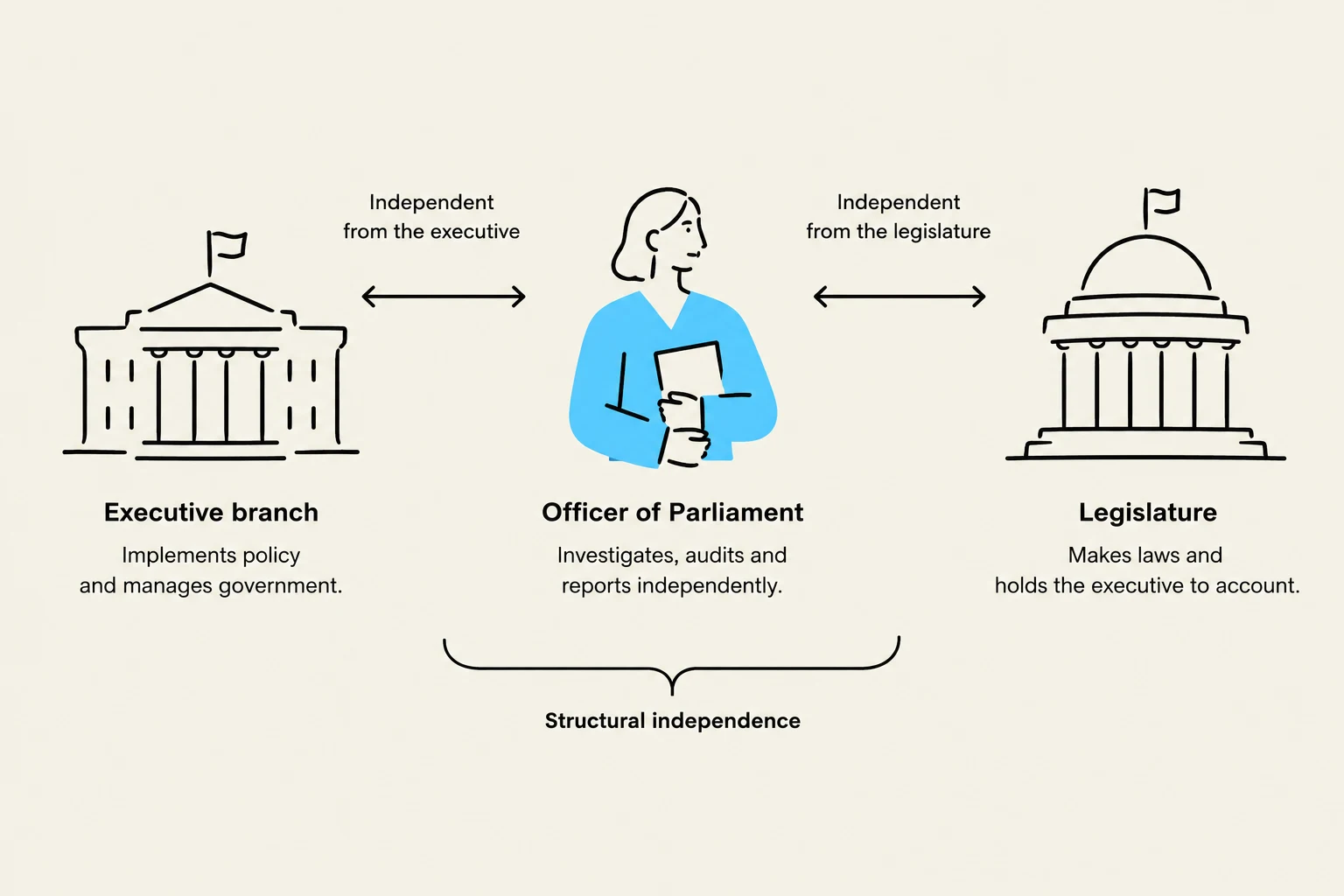
To bridge this gap, the parliamentary system relies on "Officers of Parliament." These are independent, non-partisan officials who serve the legislature rather than the government of the day. Their primary mission is to provide oversight, ensuring that the executive branch remains transparent and accountable to the people.
The Concept of Independence and Oversight
The defining characteristic of an Officer of Parliament is their independence. Unlike a Cabinet Minister or a Deputy Minister, an Officer of Parliament does not report to the Prime Minister or the Premier. Instead, they report directly to the Parliament. This structural separation is crucial; if an auditor were an employee of the government they were supposed to be auditing, their reports would likely be suppressed or sanitized to avoid political embarrassment.
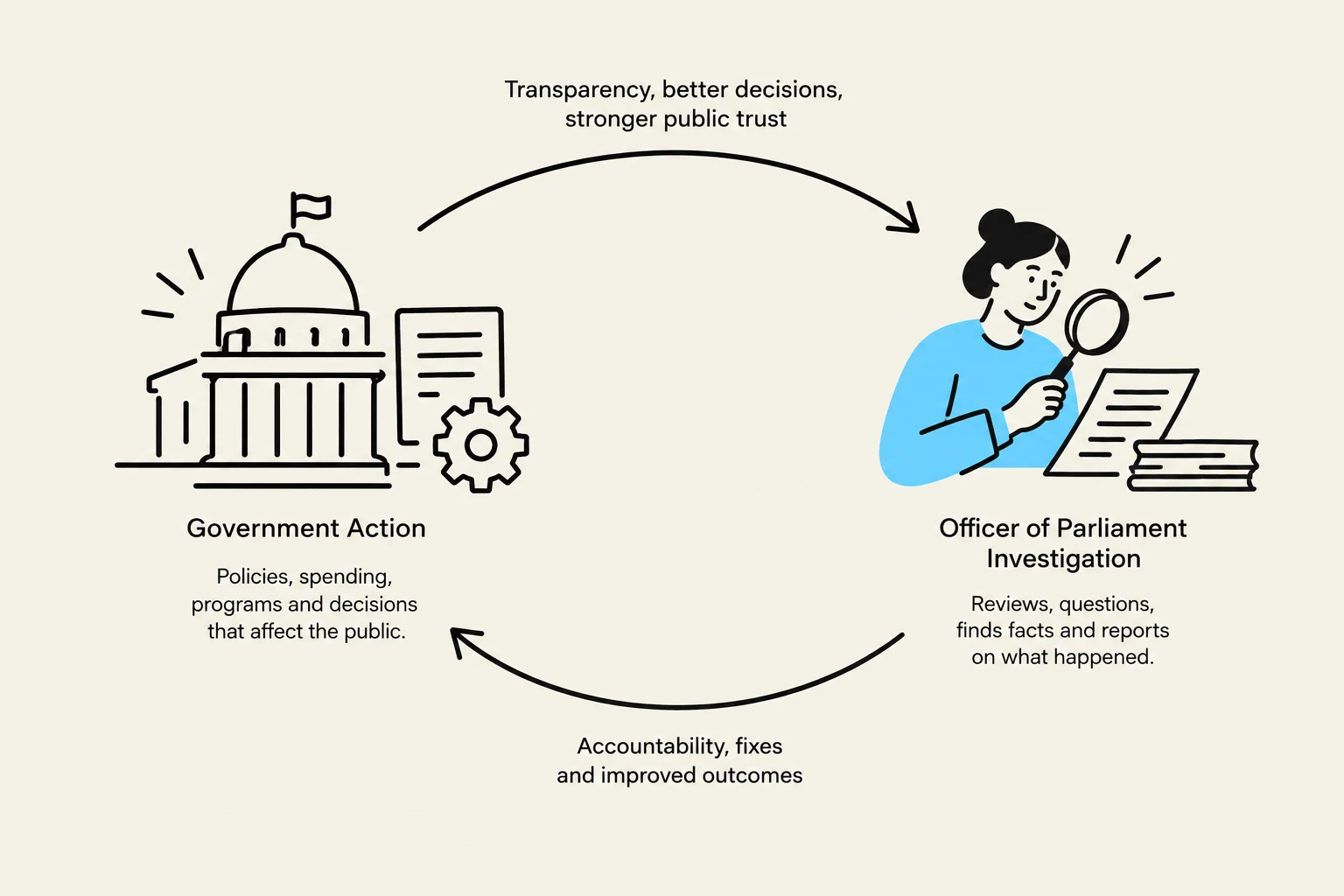
Oversight functions through several mechanisms:
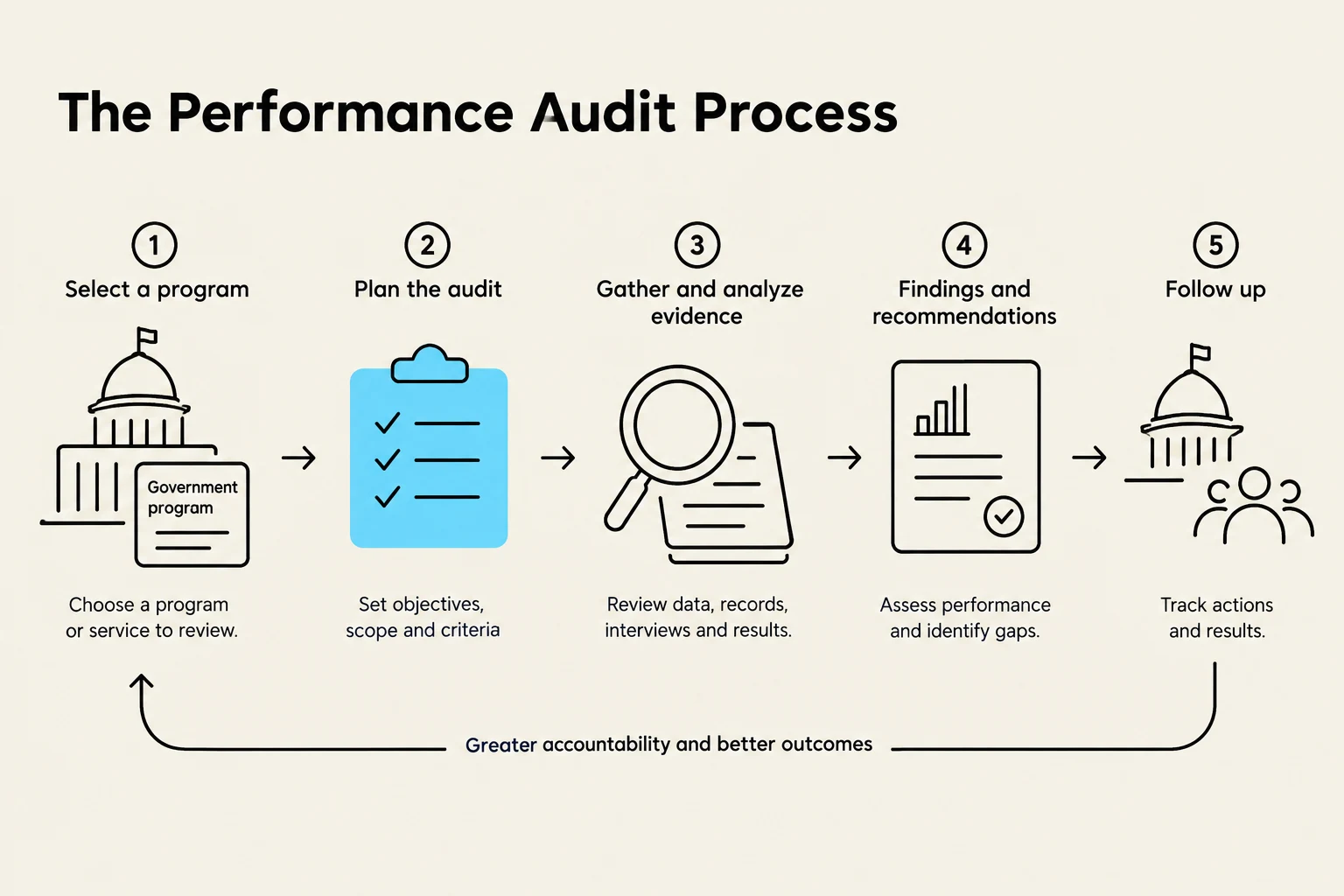
- Investigation: The power to look into specific government programs or expenditures.
- Reporting: The duty to publish findings that are made available to the public and Parliament.
- Expertise: Providing technical knowledge that Members of Parliament (MPs) may not possess.
Exam Tip: If asked why Officers of Parliament are essential for "Responsible Government," focus on the concept of the Information Gap. The executive holds all the information; Officers of Parliament are the tools Parliament uses to close that gap and hold the executive to account.
Keep reading for free.
Create an account to finish this reading and make it part of your study routine.
Continue reading freeAlready have an account? Log in
Updated