


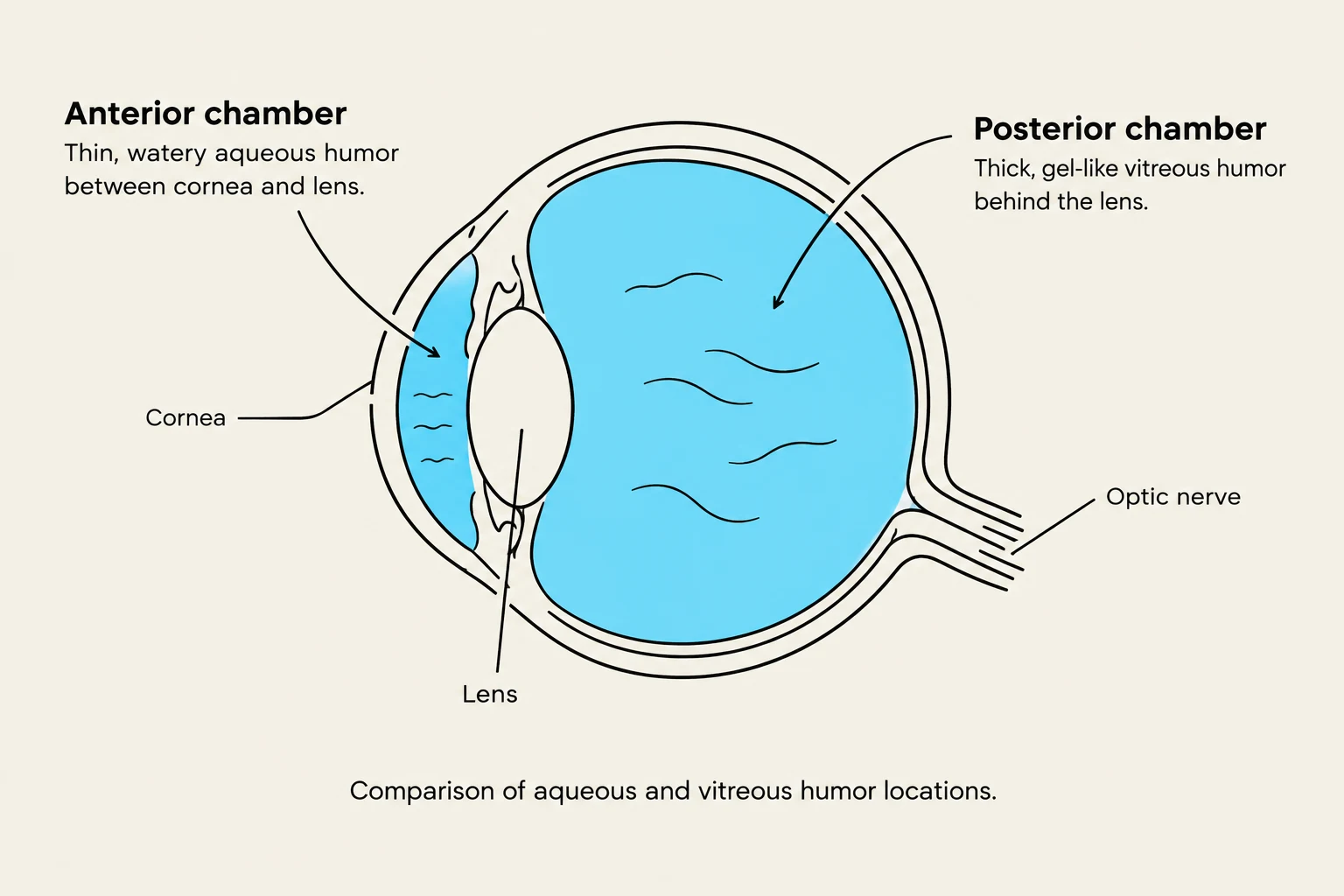
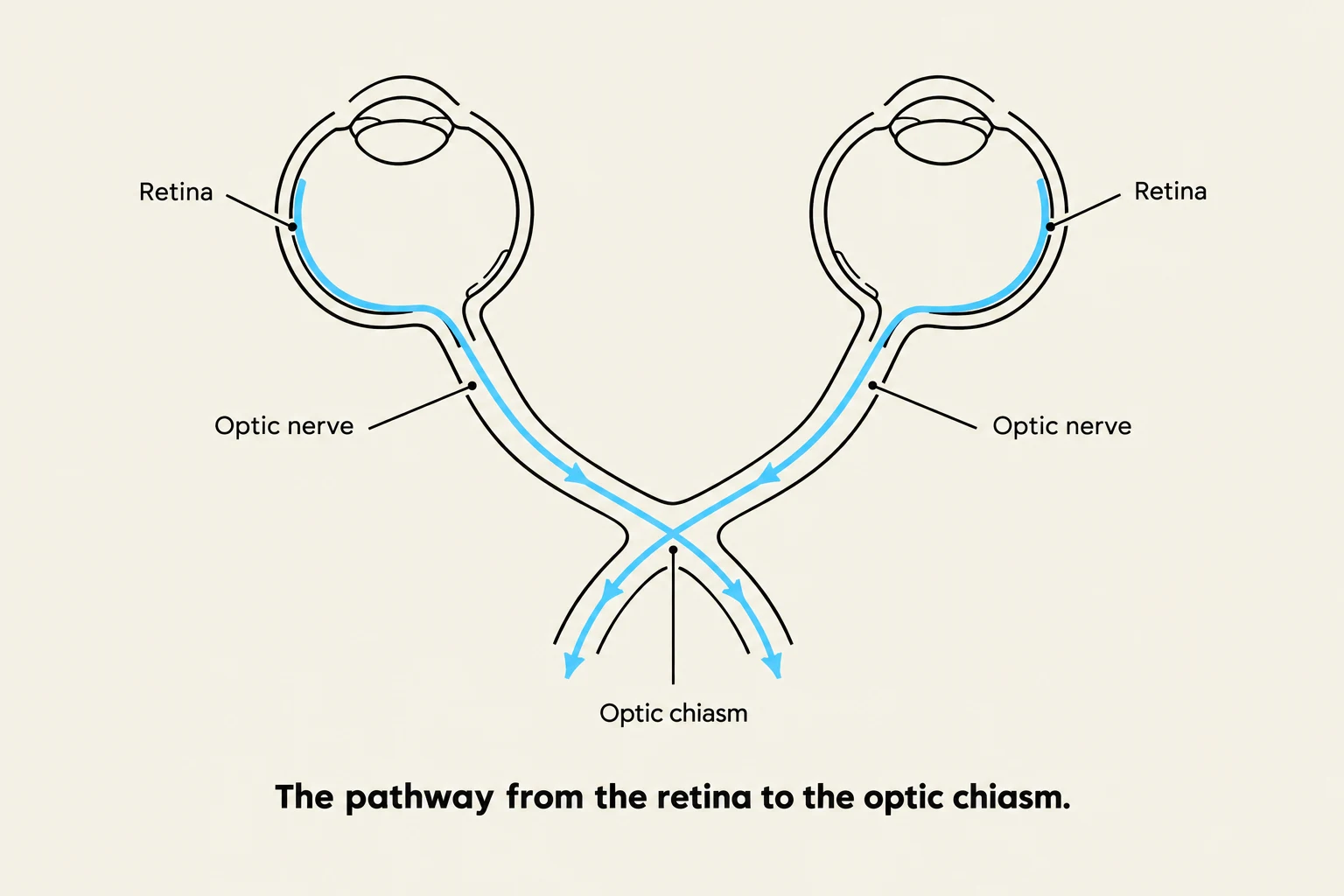
The human eye is a complex sensory organ designed to capture light and convert it into electrical impulses that the brain can interpret as vision. To understand how we see, we must examine the specific anatomical structures that manage light entry, focus, and signal transmission. This article explores the primary components of the eye—the cornea, iris, pupil, retina, and the specialized fluids that maintain ocular pressure and shape.
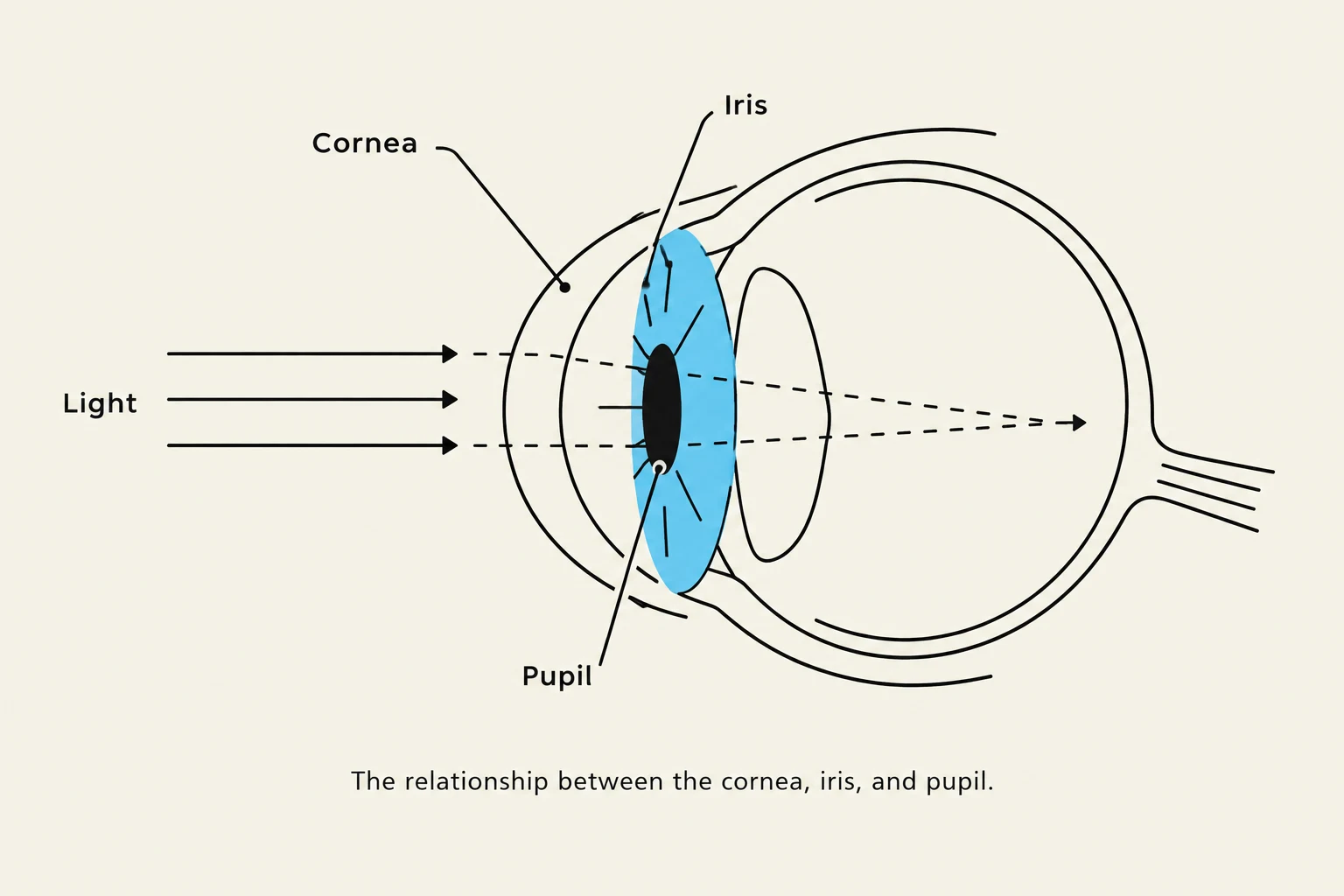
The Anterior Structures: Cornea, Iris, and Pupil
The journey of light begins at the front of the eye. The first major structure it encounters is the cornea. The cornea is a translucent, clear structure located on the anterior side of the eye. Its primary function is to act as a window, allowing light to enter while providing the initial refraction necessary for focusing.
Immediately behind the cornea lies the iris and the pupil. It is a common misconception that the pupil is a physical structure; in reality, the pupil is simply an opening or a space. The iris is the colored muscular structure that surrounds this opening. The iris is responsible for controlling the amount of light that reaches the inner eye by adjusting the size of the pupil.
Keep reading for free.
Create an account to finish this reading and make it part of your study routine.
Continue reading freeAlready have an account? Log in
Updated