Obstructive Sleep Apnea: Pathophysiology and Management
An overview of Obstructive Sleep Apnea (OSA), covering its pathophysiology, risk factors, clinical presentation, diagnostic methods, and various management strategies including lifestyle modifications, noninvasive ventilation, and pharmacological or surgical options.
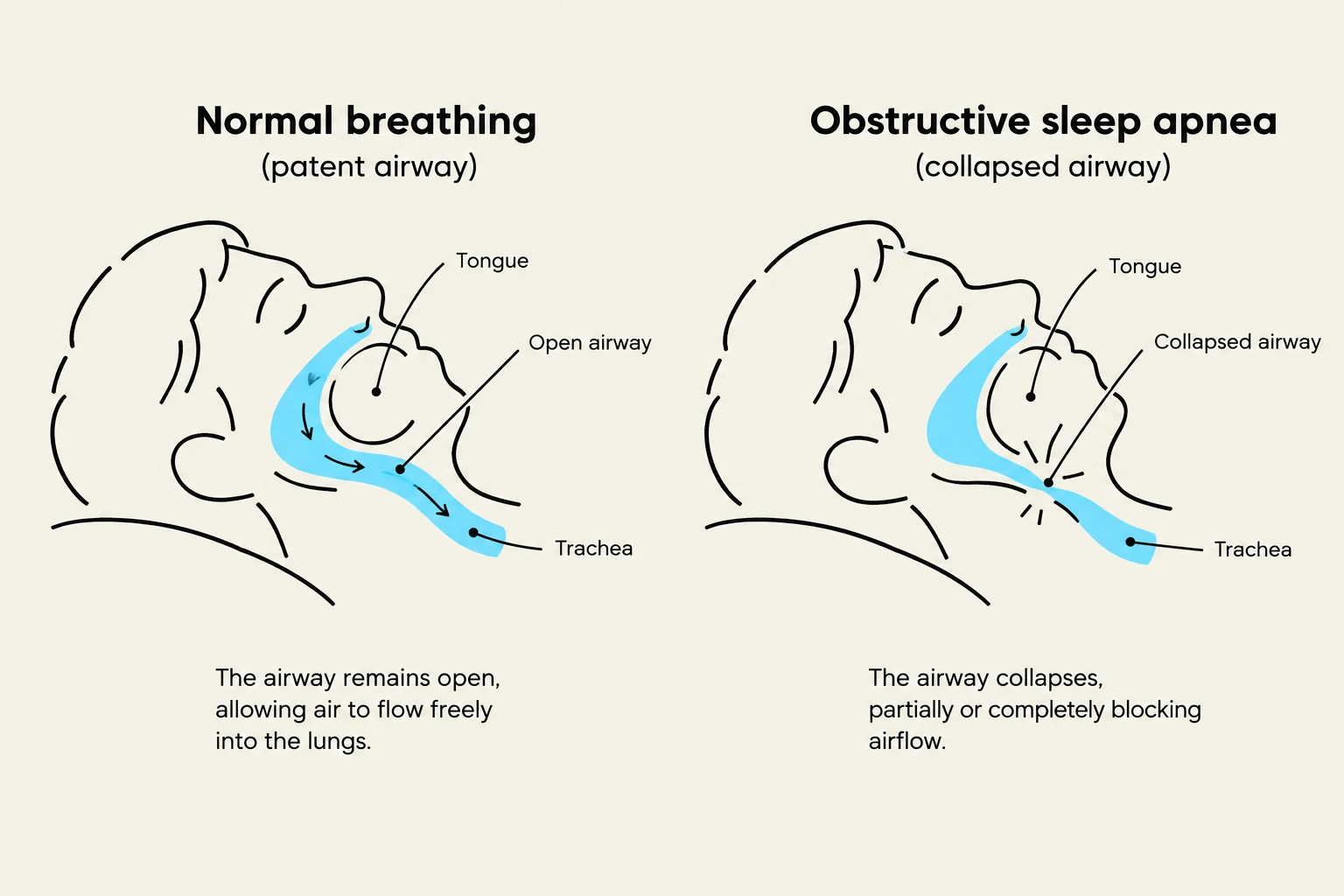
Obstructive Sleep Apnea (OSA) is a significant respiratory disorder characterized by the repeated partial or complete collapse of the upper airway during sleep. This airway obstruction prevents normal airflow, leading to intermittent pauses in breathing known as apnea. Because the body cannot effectively exchange gases during these episodes, patients experience a cycle of oxygen deprivation and carbon dioxide accumulation, which can have profound implications for cardiovascular and neurological health.
Pathophysiology: The Mechanics of Airway Collapse
The primary mechanism of OSA involves a decrease in muscle tone within the nasopharynx during sleep, which allows the soft tissues of the airway to contract and obstruct the passage of air. Key anatomical contributors to this obstruction include the base of the tongue, the soft palate, the tonsils, and a naturally narrow pharynx.
When the airway collapses, the patient undergoes oxyhemoglobin desaturation, a significant drop in the amount of oxygen bound to hemoglobin in the blood. This is often accompanied by an increase in carbon dioxide levels. To maintain homeostasis, the body may attempt to compensate, but the repeated cycle of hypoxia (low oxygen) and hypercapnia (high carbon dioxide) puts immense strain on the heart and lungs.
Diagram illustrating normal breathing with a patent airway versus obstructive sleep apnea with a collapsed airway.
Risk Factors and Comorbidities
Understanding who is at risk for OSA is essential for early identification and prevention. The most significant risk factor is obesity. Increased body mass, particularly a higher neck circumference and excess fat deposits around the pharynx, contributes to the physical compression and narrowing of the upper airway.
Other key risk factors include:
Craniofacial Abnormalities: Structural issues such as retrognathia (a short or recessed mandible) can reduce the space available for the airway.
Demographics: There is a higher prevalence among males and older adults.
Comorbidities: OSA is frequently linked to other systemic issues, including diabetes mellitus, hypertension, and postmenopausal status. Notably, patients with moderate to severe OSA have an increased risk of developing systemic hypertension.
Clinical Presentation and Diagnosis
Patients suffering from OSA often present with a specific cluster of symptoms that impact both nocturnal and diurnal life. Common clinical manifestations include:
Loud, disruptive snoring.
Gasping, choking, or snorting sounds during sleep.
Frequent nocturnal awakenings.
Morning headaches.
Excessive daytime sleepiness, which can lead to cognitive impairment and a significantly increased risk of accidents.
To confirm a diagnosis, clinicians rely on the gold standard: polysomnography (PSG). This overnight study monitors various physiological parameters, including electroencephalogram (EEG) for brain activity, electromyogram (EMG) for muscle tone, oxygen saturation, and airflow. The primary metric used to determine the severity of the condition is the Apnea-Hypopnea Index (AHI), which calculates the number of apnea and hypopnea events per hour of sleep.
The diagnostic process for Obstructive Sleep Apnea (OSA) involves recognizing clinical symptoms, undergoing a clinical evaluation, performing a sleep study (polysomnography), confirming the diagnosis based on the Apnea-Hypopnea Index (AHI), and planning management which may include lifestyle changes, CPAP therapy, or other treatments. Follow-up is essential to assess symptoms, treatment adherence, and make adjustments as needed.
Management and Interventions
Management strategies for OSA aim to maintain airway patency and mitigate the systemic effects of hypoxia.
Lifestyle and Behavioral Modifications
The first line of defense often involves non-medical interventions:
Weight Loss: Reducing BMI can decrease the amount of soft tissue obstructing the airway.
Positional Therapy: Encouraging patients to avoid sleeping on their backs (supine position) can prevent gravity-induced airway collapse.
Avoidance of Triggers: Limiting alcohol and sedatives is crucial, as these substances further depress muscle tone and exacerbate airway obstruction.
Noninvasive Ventilation and Medical Devices
For many, mechanical assistance is required to keep the airway open:
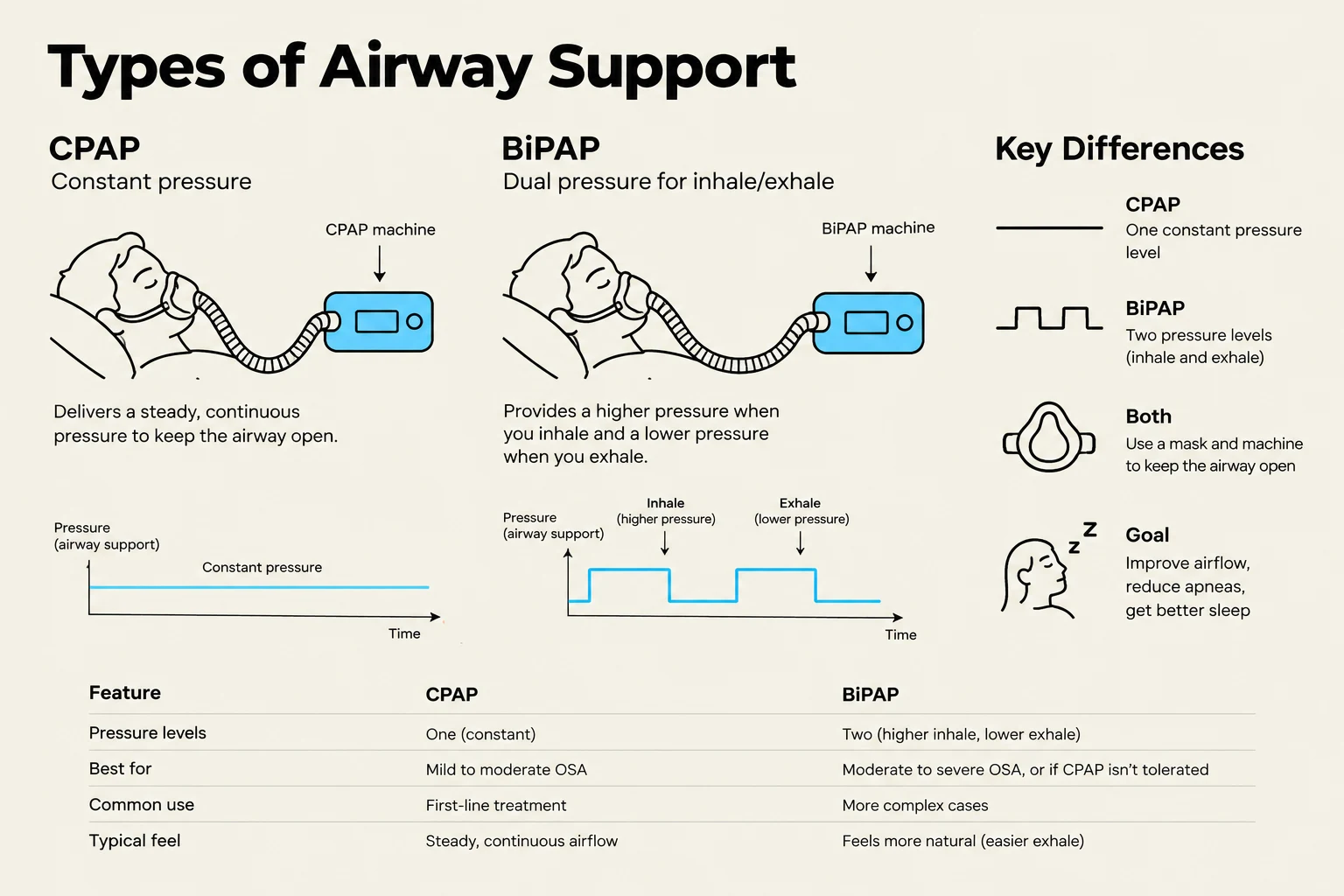
CPAP (Continuous Positive Airway Pressure): This device delivers a single, constant level of pressurized air to act as a "pneumatic splint," preventing the airway from collapsing.
BiPAP (Bilevel Positive Airway Pressure): This provides two different pressures—a higher pressure during inhalation and a lower pressure during exhalation—which can be more comfortable for some and assist in CO2 removal.
Mandibular Advancement Devices (MAD): These oral appliances are designed to shift the lower jaw forward, preventing the soft tissues from blocking the airway.
Pharmacological and Surgical Options
Pharmacological Therapy: Medications like Modafinil may be prescribed to manage excessive daytime sleepiness. For patients where obesity is the primary driver, newer medications such as Tirzepatide (Zepbound) may be utilized.
Surgical Interventions: In cases where anatomical obstructions are severe, procedures such as tonsillectomy, septoplasty, or pharyngeal tissue resection may be considered.
Nursing Priorities and Patient Education
Nurses play a critical role in the management of OSA, focusing on both acute physiological stability and long-term adherence to treatment.
Nursing Assessment and Safety:
The priority is ensuring adequate oxygenation. Nurses must continuously monitor:
Pulse Oximetry: To detect drops in oxygen saturation.
Skin Color: Checking for signs of cyanosis.
Neurological/Behavioral Signs: Monitoring for irritability or restlessness, which can be early indicators of hypoxia.
Exam Tip: When assessing a patient with suspected hypoxia, remember that restlessness and irritability are often early signs, whereas cyanosis (bluish skin tint) is a late and more severe sign.
Patient Education:
A major challenge in OSA management is treatment adherence, particularly with CPAP machines. Nurses must educate patients on the long-term risks of untreated OSA, which include:
Stroke
Heart failure
Pulmonary hypertension.
Effective education should link the patient's symptoms (like daytime sleepiness) directly to the physiological events (apnea episodes) to foster an understanding of why consistent treatment is vital for their overall health.
This illustration compares CPAP and BiPAP airway support systems, detailing their pressure settings, typical uses, and benefits for conditions like OSA.
Keep reading for free.
Create an account to finish this reading and make it part of your study routine.