


The concept of "Nutrition as Medicine" shifts the perspective of food from mere sustenance to a powerful tool for health promotion, disease prevention, and clinical management. Rather than viewing diet solely through the lens of weight control, healthcare professionals recognize that the precise balance of macronutrients and micronutrients plays a fundamental role in the development, progression, and treatment of various physiological conditions.
The Role of Nutrients in Health Promotion
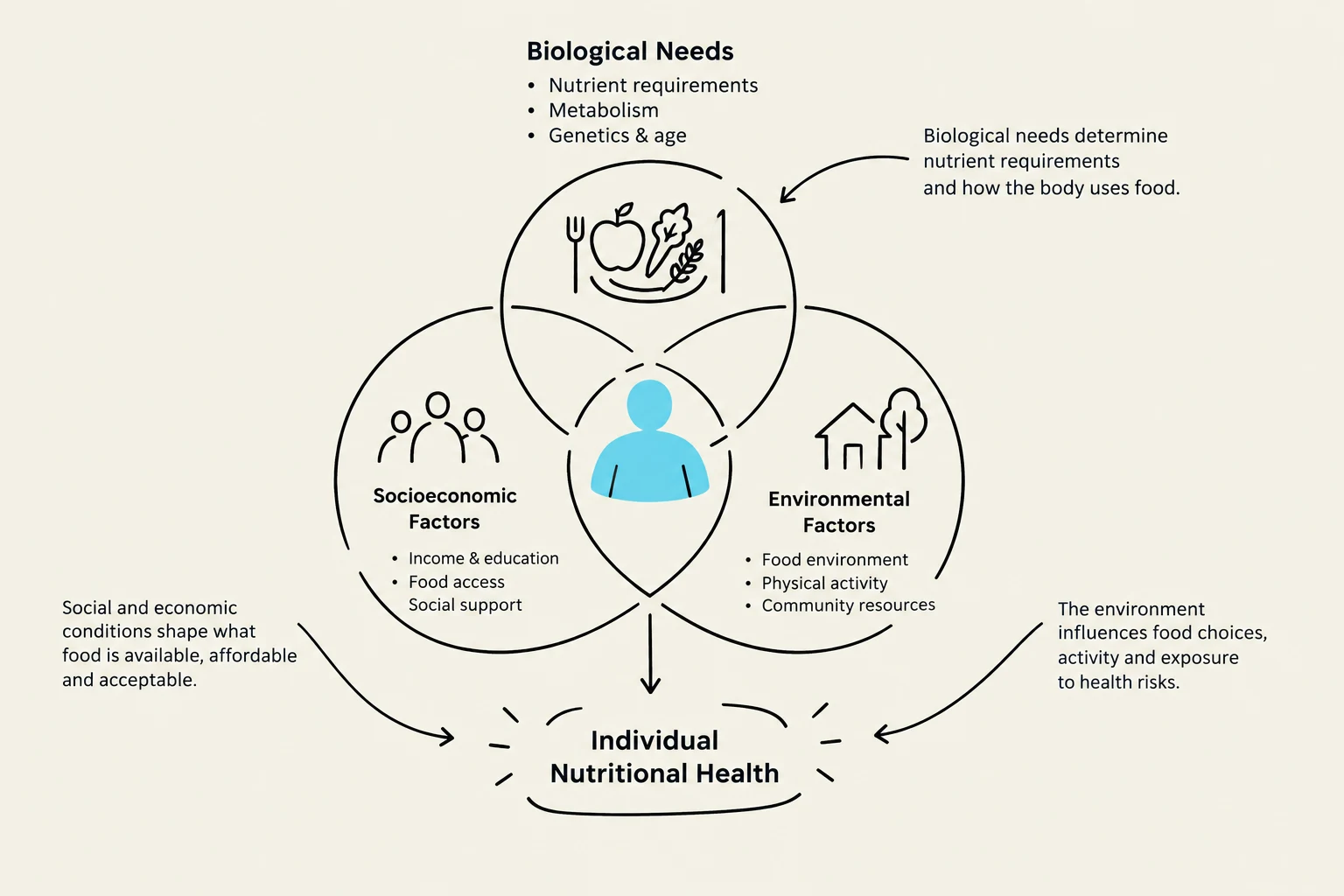
To maintain optimal health, the human body requires a diverse array of nutrients that support physiological functions including development, maintenance, and restoration. A healthy approach to nutrition is built upon three core pillars: a balanced diet, variety, and adherence to dietary guidelines tailored to an individual's stage of life.
Macronutrients: The Body's Fuel and Building Blocks
Macronutrients are required in large amounts to provide energy and structural components. These include:
- Carbohydrates: The primary energy source for the body and brain.
- Proteins: Essential for tissue repair, enzyme production, and immune function.
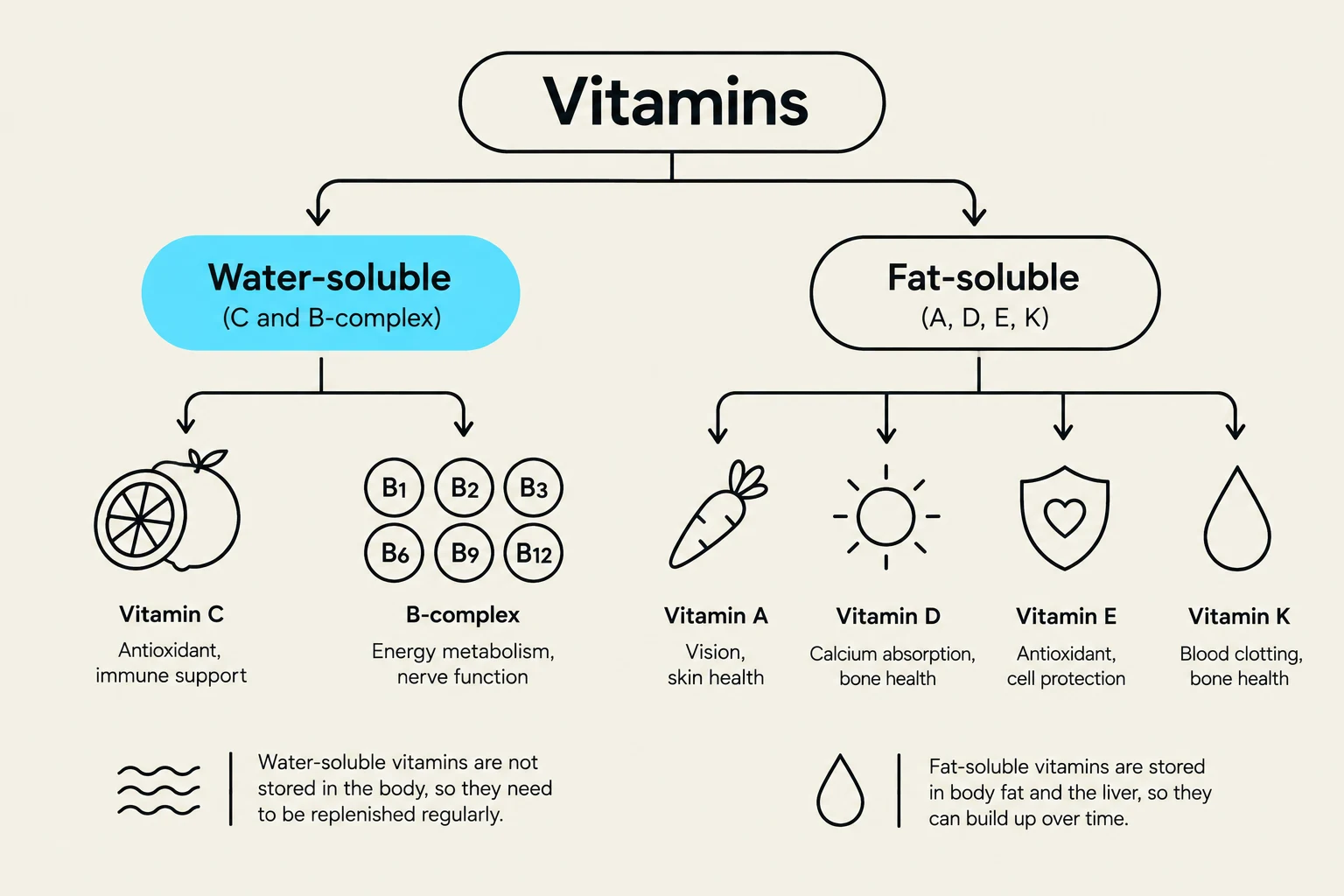
- Fats: Necessary for hormone production, cell membrane integrity, and the absorption of certain vitamins.
- Water: A critical macronutrient required for almost every metabolic process.
Clinical Note: When assessing nutritional status, remember that "clean eating" can sometimes lead to unintended deficiencies. For example, a toddler on an excessively low-fat diet may lack the essential fatty acids required for rapid neurological development.

Nutrition and Chronic Disease Management
Dietary patterns are deeply linked to the development of chronic illnesses. Nutritional interventions can be used to mitigate risks or manage existing conditions through specific dietary strategies.
Keep reading for free.
Create an account to finish this reading and make it part of your study routine.
Continue reading freeAlready have an account? Log in
Updated