


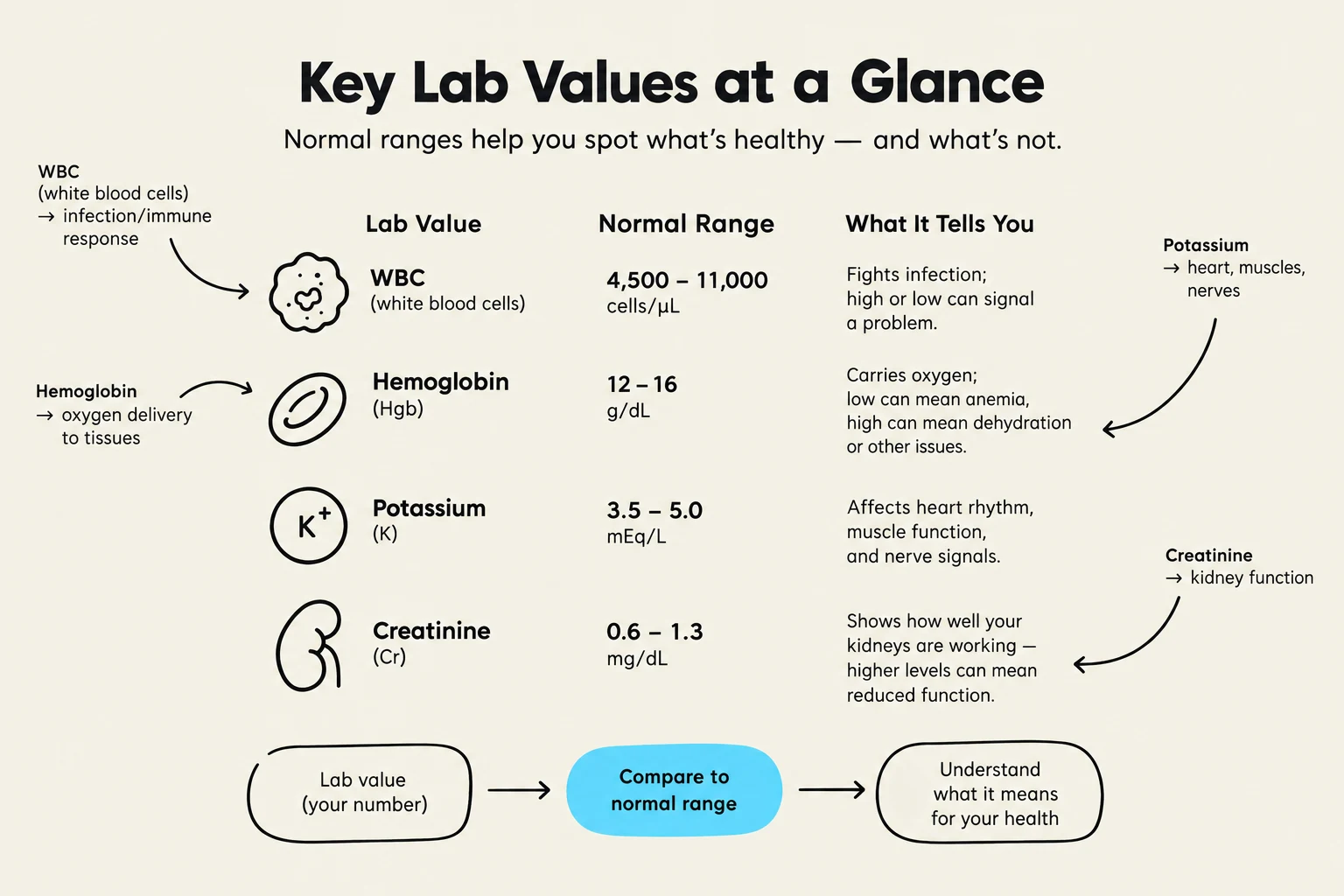
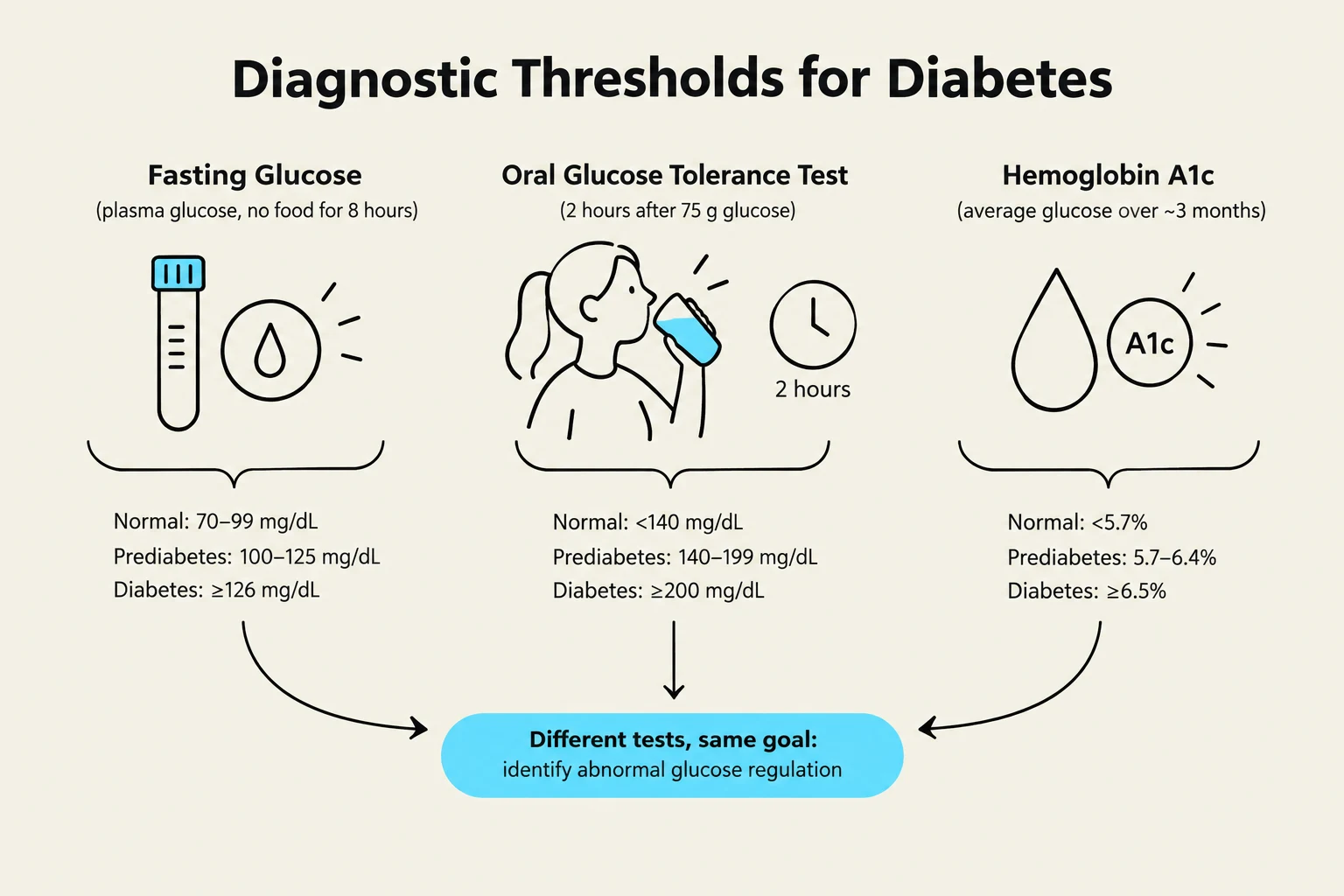
Success in nursing school requires more than just memorizing facts; it requires the ability to connect pharmacological profiles with clinical laboratory findings to ensure patient safety. For the upcoming final exam, students must move beyond simple recognition and develop a deep understanding of how drugs work, how they affect the body, and how laboratory results reflect a patient's physiological state.
This guide organizes the essential medication categories and laboratory parameters you need to master for clinical competence and examination success.
Medication Management Framework
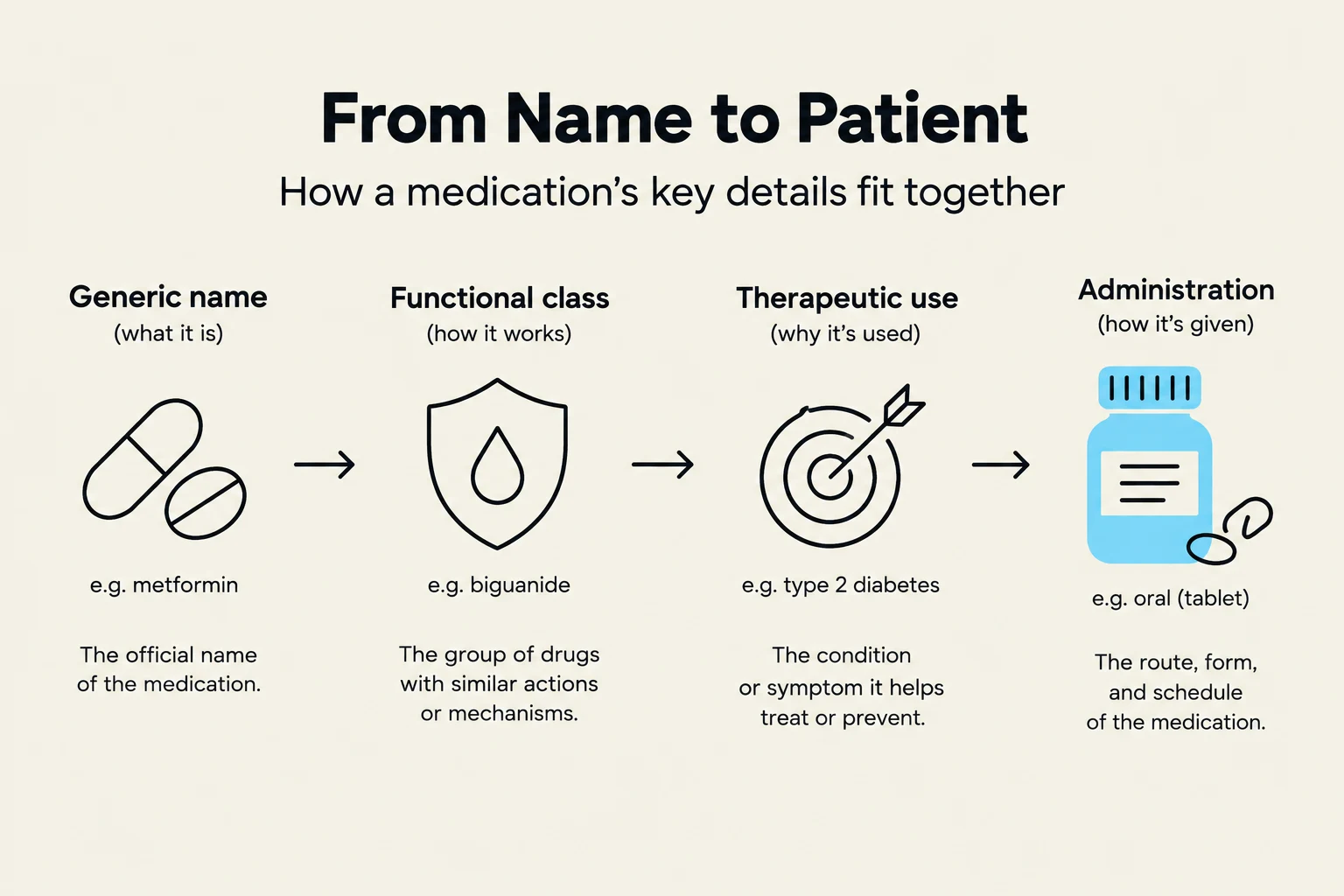
When studying medications, do not simply memorize a list. Instead, build a "profile" for every drug. For the final exam, you must be able to identify a medication by its generic name and describe its complete pharmacological profile.
To ensure mastery, every medication you study should be categorized by the following components:
- Functional Class and Therapeutic Uses: What group does the drug belong to (e.g., analgesic, anticoagulant), and what specific condition is it treating?
- Routes of Administration: How is the drug delivered (e.g., oral, IV, subcutaneous)?
- Side Effects: You must distinguish between common side effects and major/adverse reactions. Aim to identify at least three common side effects and two major/adverse side effects for each drug.
- Nursing Implications: What must you assess before or after administration? This includes monitoring vital signs, checking lab values, or implementing safety precautions.
- Patient Teaching: What essential education must the patient receive regarding adherence, lifestyle changes, or recognizing danger signs?
- Dosage: Pay close attention to medications marked with an asterisk (*); for these, you must know the average adult dose.
Keep reading for free.
Create an account to finish this reading and make it part of your study routine.
Continue reading freeAlready have an account? Log in
Updated