


Schizophrenia spectrum and psychotic disorders represent a complex group of mental health conditions characterized by significant disturbances in thought, perception, emotion, and behavior. These disorders can profoundly alter a patient's ability to interact with reality, making clinical assessment and specialized nursing management essential for safety and recovery. For nursing professionals, managing these patients requires a blend of pharmacological expertise, therapeutic communication, and an understanding of the various phases of the illness.
Conceptualizing the Spectrum and Psychotic Disorders
The "spectrum" designation is used because these disorders vary widely in their presentation, severity, and duration. While schizophrenia is the most prominent member, the spectrum includes other psychotic disorders that may involve different combinations of delusions, hallucinations, and disorganized thinking.
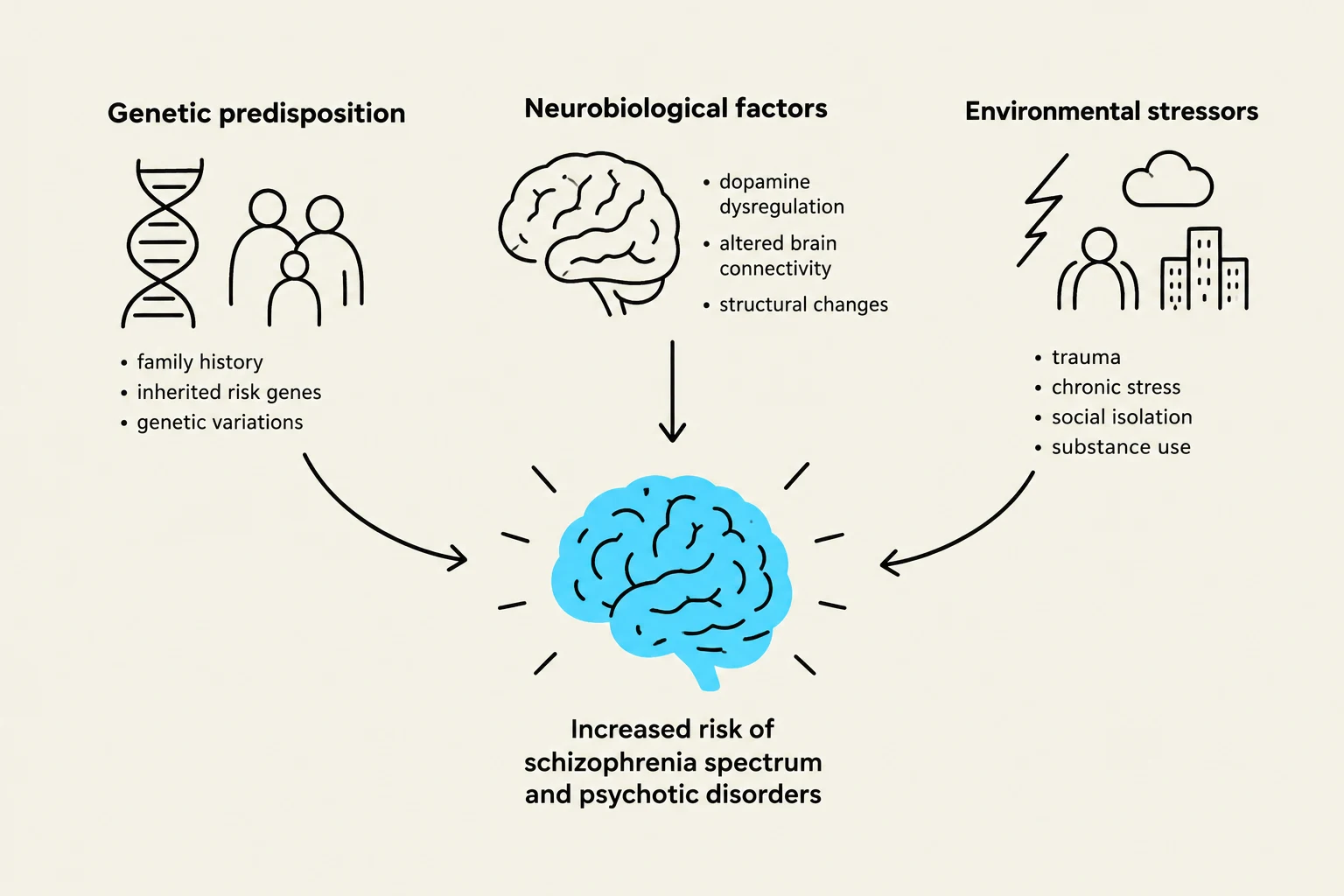
Understanding the development of these disorders requires looking at predisposing factors. These are the biological, genetic, and environmental elements that increase a person's vulnerability to developing psychosis. These factors might include genetic predisposition, neurobiological imbalances, or significant psychosocial stressors that trigger an episode in a vulnerable individual.
Clinical Assessment: Symptomatology and Nursing Diagnosis
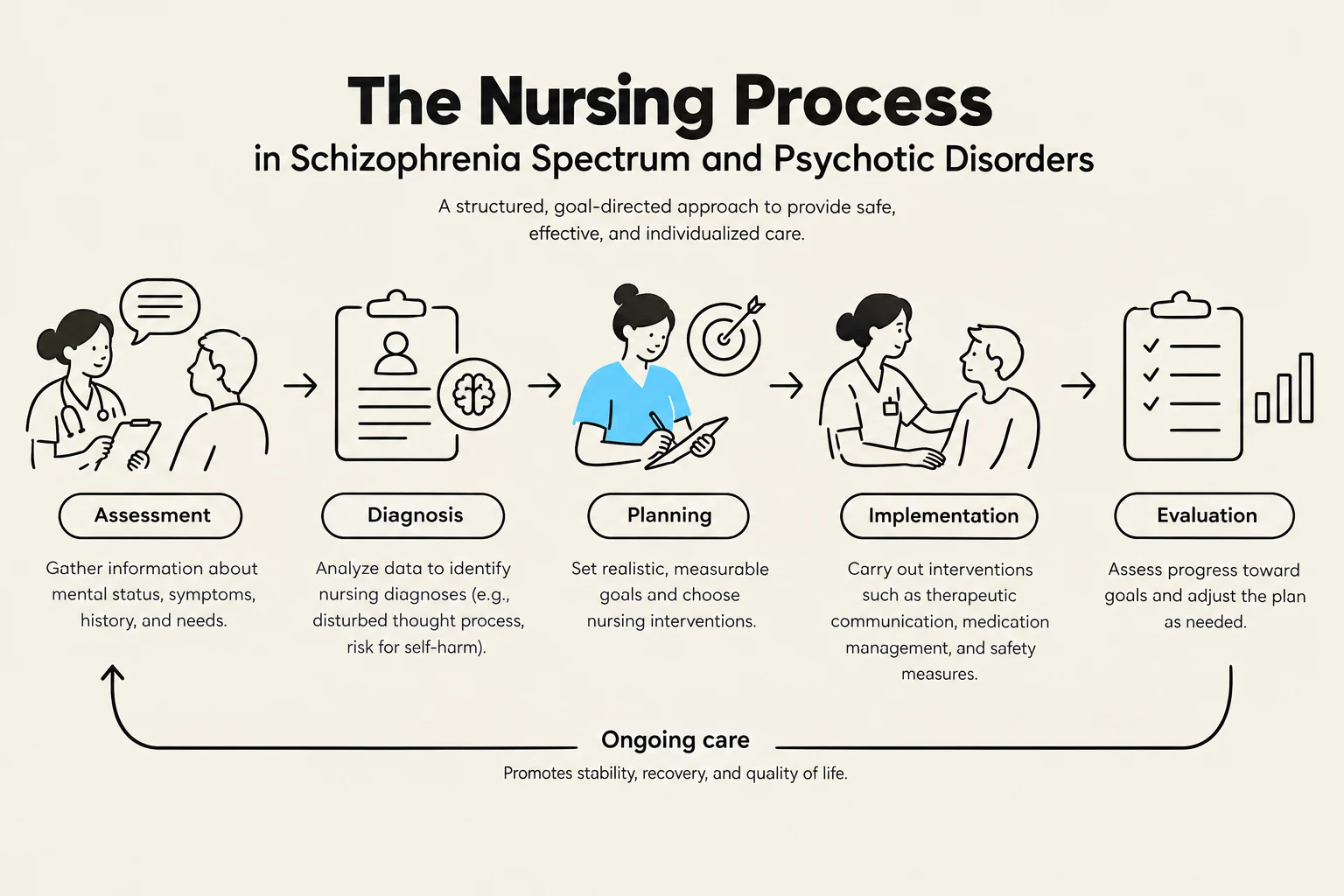
Effective nursing care begins with a thorough assessment of symptomatology. Symptoms are often categorized into two main groups:
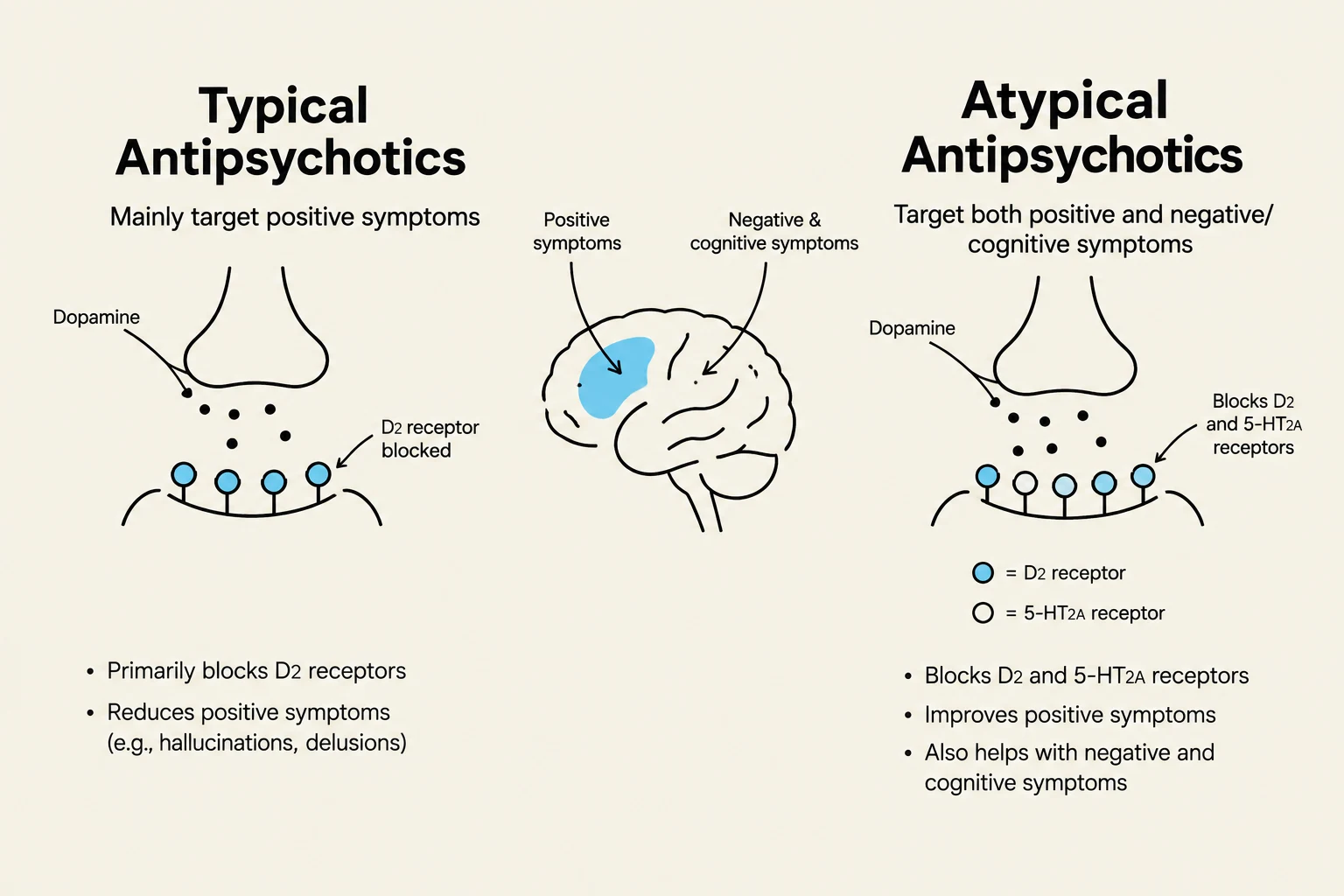
- Positive Symptoms: These are "additions" to normal behavior, such as hallucinations (sensory perceptions without external stimuli) and delusions (fixed, false beliefs).
- Negative Symptoms: These are "subtractions" from normal behavior, such as social withdrawal, lack of motivation (avolition), and diminished emotional expression (flat affect).
Keep reading for free.
Create an account to finish this reading and make it part of your study routine.
Continue reading freeAlready have an account? Log in
Updated