


Antibiotic therapy is a cornerstone of modern medicine, yet the management of "miscellaneous" antibiotic classes requires high levels of clinical vigilance. Unlike standard penicillin or cephalosporin regimens, these drugs—ranging from quinolones to lipopeptides—carry unique risks of toxicity, complex drug-drug interactions, and specific infusion-related syndromes. For the nurse, effective administration goes beyond simply following a MAR; it requires proactive assessment, careful monitoring of infusion rates, and the ability to distinguish between a life-threatening allergic reaction and a manageable infusion reaction.
Comprehensive Nursing Assessment
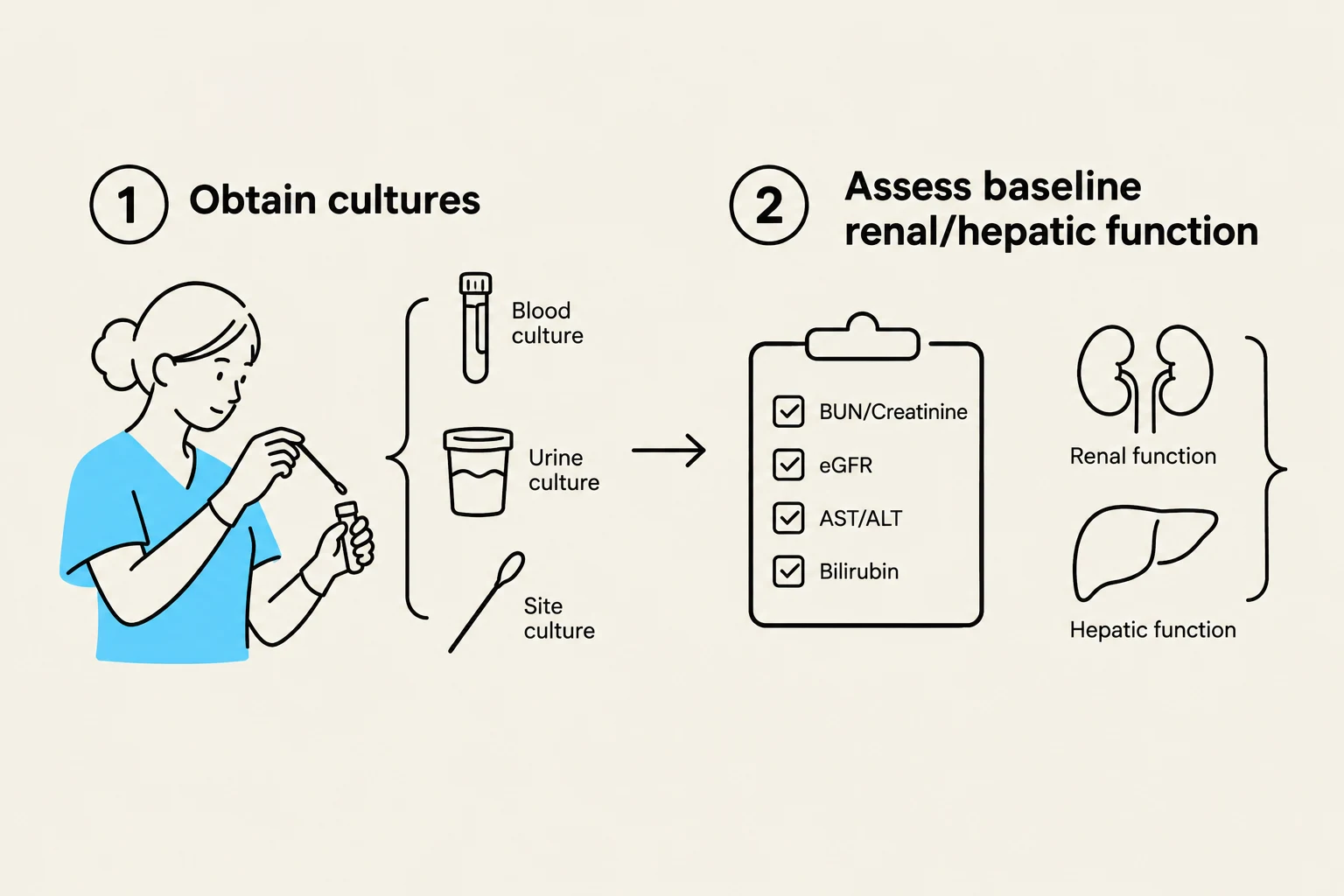
Before the first dose is administered, a thorough baseline assessment is mandatory. Nurses must obtain a complete patient health history, with a specific focus on immune status and known drug allergies. Because many of these antibiotics are cleared through the kidneys or metabolized by the liver, assessing renal and hepatic function is critical to prevent toxicity.
Key assessment priorities include:
- Culture Collection: It is essential to obtain cultures from the appropriate site before beginning antibiotic therapy to ensure the drug is targeting the correct organism.
- Laboratory Monitoring: Nurses must monitor blood levels for drugs like vancomycin and aminoglycosides to ensure they remain within the therapeutic window.
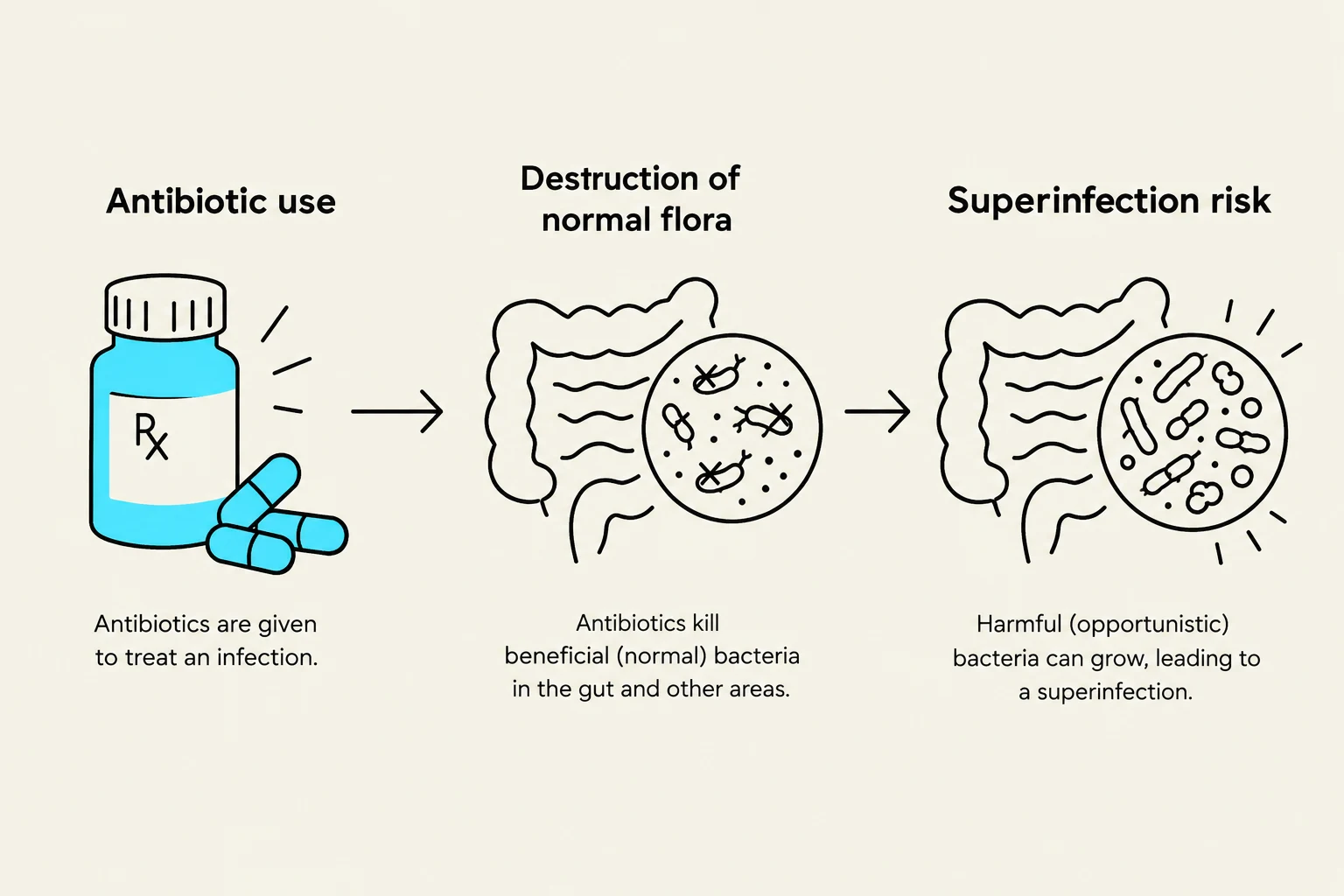
- Superinfection Surveillance: Nurses should assess for signs of a superinfection, which can occur when broad-spectrum antibiotics disrupt normal flora. Watch for fever, perineal itching, cough, lethargy, or unusual vaginal/rectal discharge.
Vancomycin and Infusion-Related Risks
Vancomycin is a primary treatment for Methicillin-resistant Staphylococcus aureus (MRSA) and other gram-positive infections. However, its administration requires strict adherence to infusion protocols to avoid two major complications: Red Man Syndrome and hypotension.
Keep reading for free.
Create an account to finish this reading and make it part of your study routine.
Continue reading freeAlready have an account? Log in
Updated