


The gastrointestinal (GI) system is fundamental to sustaining life and promoting growth in pediatric patients. When disorders affect this system, they often interfere with critical nutrition and fluid balance. Nursing management of GI conditions requires a comprehensive approach, ranging from meticulous assessment of stool characteristics and hydration status to providing complex nutritional support and emotional guidance for families facing chronic or life-threatening diagnoses.
Nursing Assessment and Diarrhea Management
Effective nursing care begins with a detailed history and physical assessment. When managing patients with vomiting or diarrhea, nurses must document the amount, color, consistency, and timing of each stool (ACCT). It is also vital to inquire about recent foreign travel and the presence of blood or mucus in the stool.
For patients experiencing infectious gastroenteritis—which may be caused by organisms like Rotavirus, Giardia, or Salmonella—the primary nursing priority is the prevention of dehydration. Nurses must monitor for signs of dehydration, such as:
- Decreased wet diapers and lack of tears
- Dry, sticky mucous membranes
- Sunken fontanels or eyes
- Rapid, weak, or thready pulse
- Weight loss
Nursing Tip: Monitoring Hydration To accurately assess fluid status, maintain strict Intake and Output (I&O) records, perform daily weights, and monitor urine specific gravity.
For mild cases of diarrhea, management focuses on Oral Rehydration Therapy (ORT) solutions to restore fluid balance, the early reintroduction of nutrients, and the continued use of breastfeeding.
Encopresis and Constipation
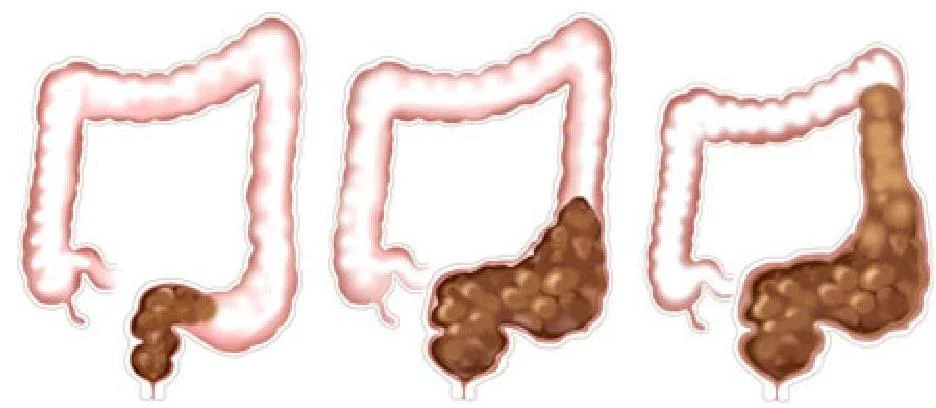
Constipation can stem from various factors, including disease, diet, or psychological influences. A common complication of chronic constipation in toilet-trained children is encopresis.
Keep reading for free.
Create an account to finish this reading and make it part of your study routine.
Continue reading freeAlready have an account? Log in
Updated