


In the complex landscape of the human immune system, white blood cells (WBCs) serve as the primary defenders against invading pathogens. Understanding how these cells are classified and how specific lineages, such as the neutrophils, mature within the bone marrow is fundamental to clinical hematology and immunology.
Leukocytes and Immunity
Leukocytes, commonly referred to as white blood cells (WBCs), are the cellular components of the immune system. A typical reference range for a healthy adult is . The concentration of these cells in the blood is not static; it can be influenced by physiologic events like pregnancy, time of day, or activity levels, as well as pathologic events such as infections or immune-regulated responses.
Leukocytes are broadly categorized into two functional types of immunity:
- Innate Immunity (Nonspecific): This represents the body's immediate response to threats. A classic example is the process of phagocytosis performed by neutrophils.
- Specific Immunity (Adaptive): This is a more targeted response involving the production of antibodies by lymphocytes and plasma cells.
Morphologically, leukocytes are classified into two main groups:
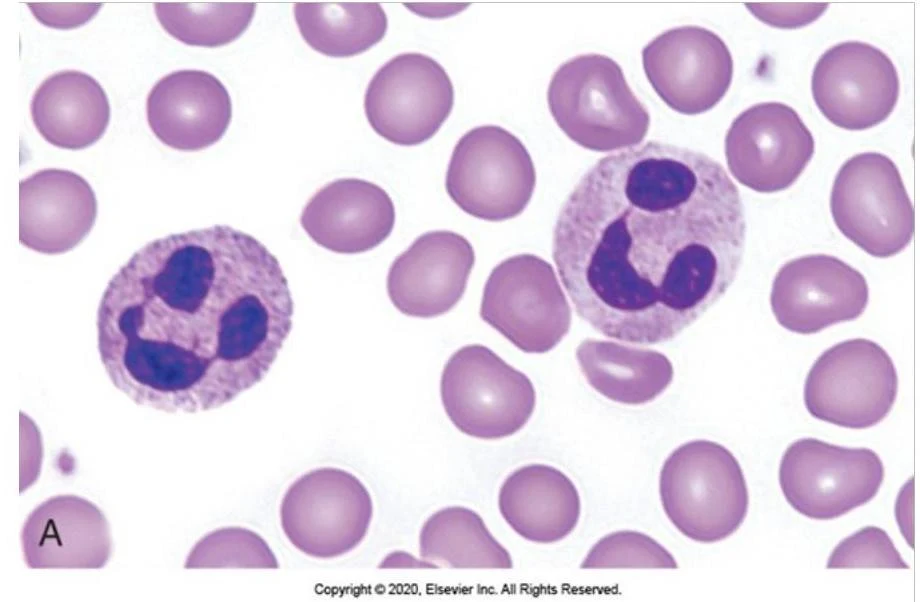
- Granulocytes: These cells contain visible granules in their cytoplasm and include eosinophils, basophils, and segmented polymorphonuclear neutrophils (PMNs).
- Mononuclear cells: These lack prominent granules and include monocytes and lymphocytes.
Hematopoiesis and Cell Identification
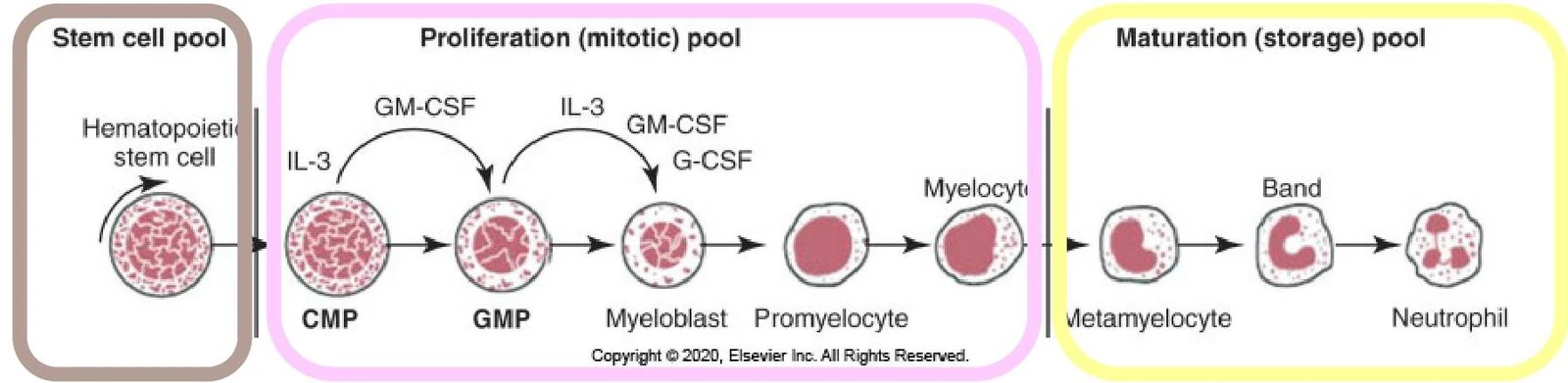
All blood cells originate from a common ancestor through a process called hematopoiesis. This process involves a series of differentiation pathways where a pluripotent hematopoietic stem cell gives rise to various lineages, including the myeloid and lymphoid lines.
To accurately identify these cells in a clinical setting, scientists use cell surface markers. These are molecules located on the cell surface that can be identified using monoclonal antibodies. These markers are organized into a nomenclature known as Clusters of Differentiation (CD). By analyzing specific CD numbers, clinicians can determine a cell's lineage, its specific stage of maturation, and its current state of activation.
Keep reading for free.
Create an account to finish this reading and make it part of your study routine.
Continue reading freeAlready have an account? Log in
Updated