


Understanding depression requires a deep dive into the chemical messengers of the brain. At the heart of mood regulation lie two primary neurotransmitter systems: Serotonin (5-HT) and Norepinephrine (NE). While the exact causes of many psychiatric disorders remain complex, the "Monoamine Theory of Depression" provides a fundamental framework for much of modern pharmacological intervention. This theory suggests that depression is linked to pathologically low levels of these monoamines, and that increasing their availability in the synaptic cleft can alleviate symptoms.
The Biochemistry of Mood: 5-HT and NE
To understand how drugs work, we must first understand how these neurotransmitters are made and regulated.
Serotonin (5-HT) is synthesized from the amino acid tryptophan. It is a versatile regulator, influencing mood, cognition, neuroendocrine function, pain perception, and motor control. There are approximately fifteen characterized 5-HT receptors, most of which function as G-protein coupled receptors.
Norepinephrine (NE) is synthesized from tyrosine. This system is critical for modulating vigilance, stress responses, and the activity of the sympathetic nervous system.
The lifecycle of these neurotransmitters involves synthesis, storage in vesicles, release into the synapse, and eventual degradation or reuptake.
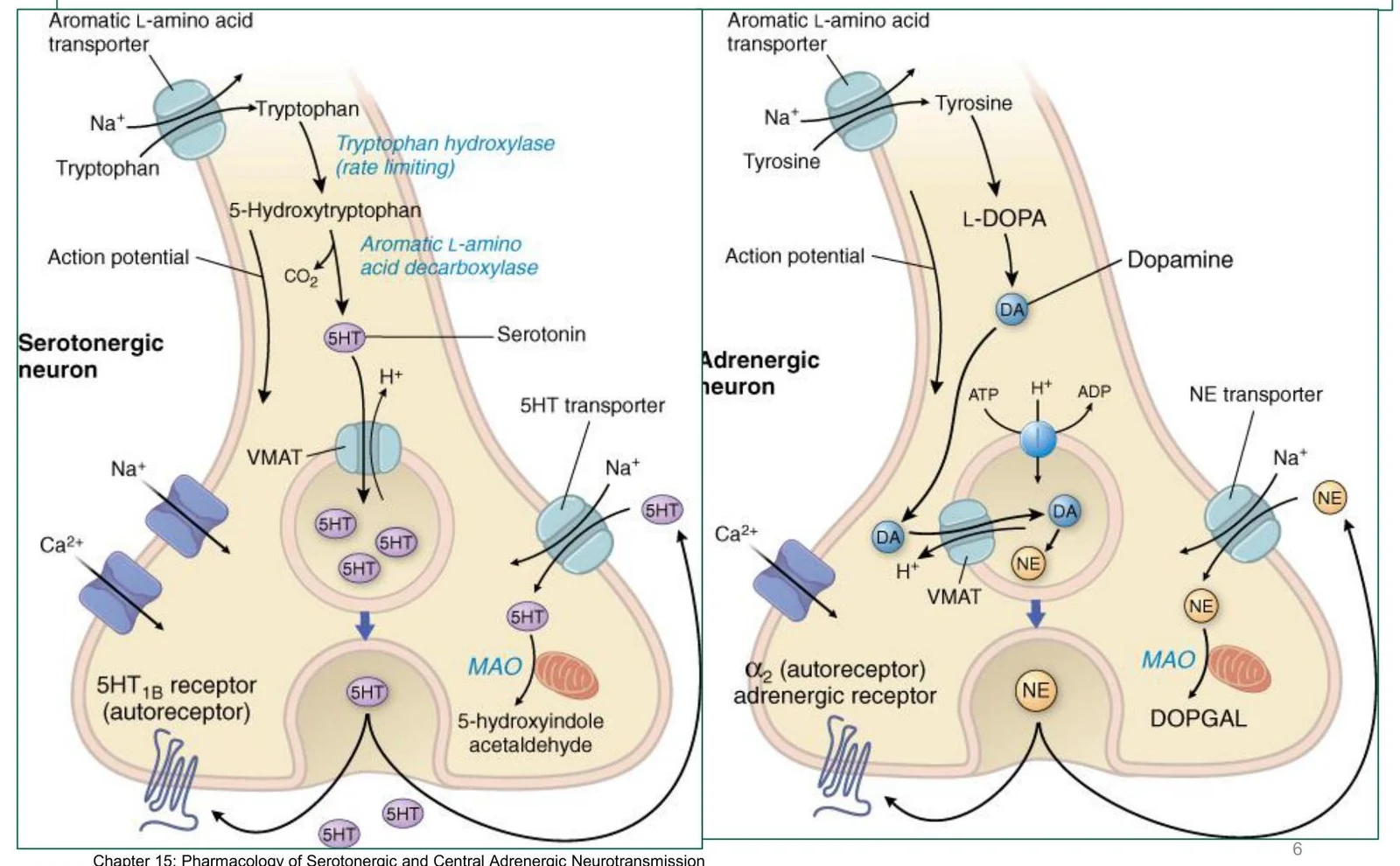
Once released, neurotransmitters can be broken down by enzymes such as Monoamine Oxidase (MAO)—specifically MAO-A, which oxidizes 5-HT, NE, and dopamine—or by Catechol-O-methyltransferase (COMT). Alternatively, they can be transported back into the presynaptic neuron via reuptake transporters to be reused or degraded.
The "Therapeutic Delay" Conundrum
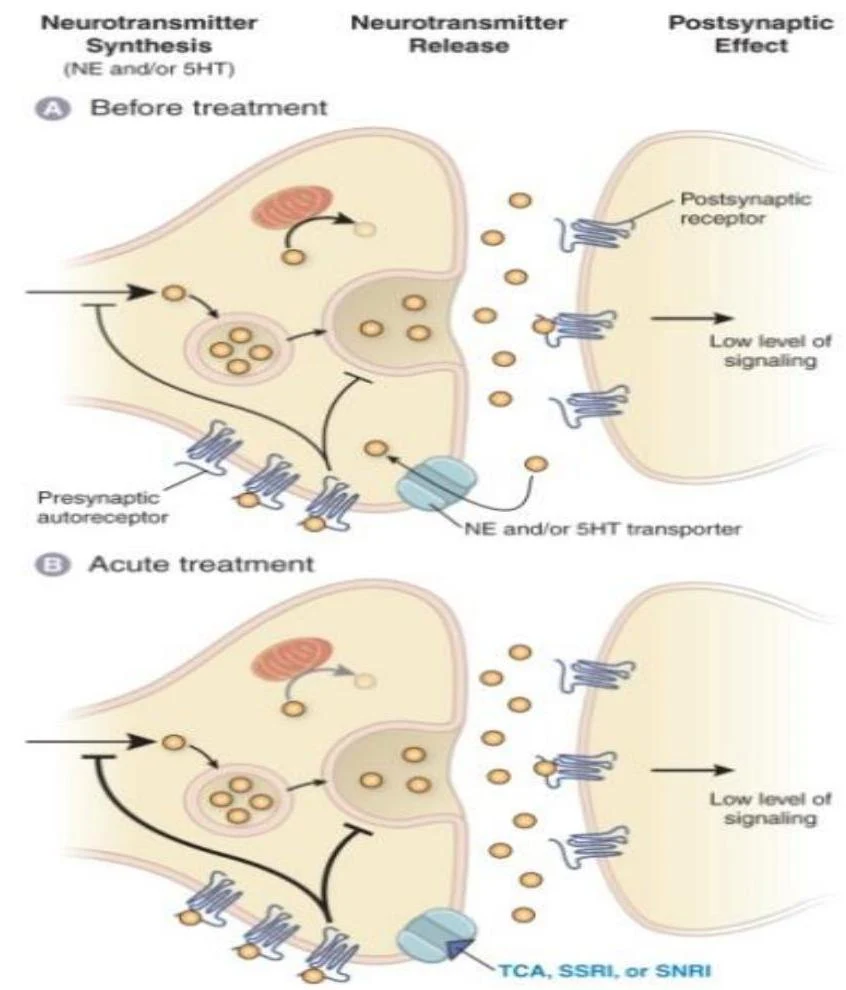
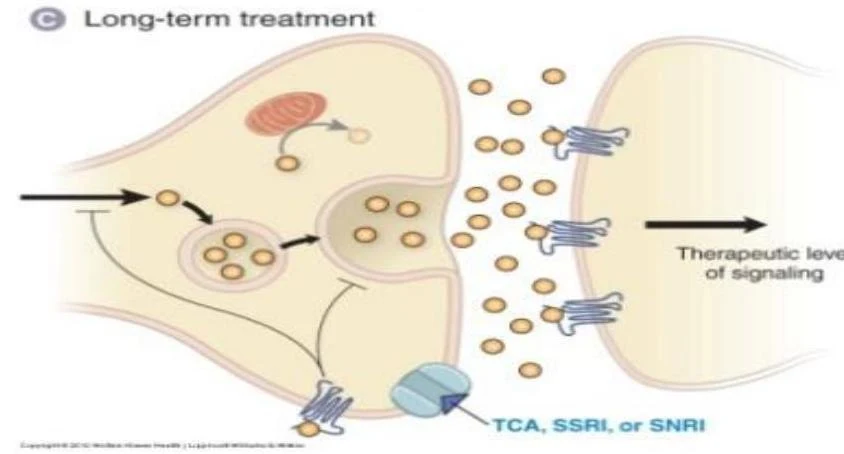
A significant challenge in treating depression is that antidepressant medications do not work immediately. While neurotransmitter levels may increase shortly after the first dose, patients often do not experience clinical improvement for six or more weeks.
Keep reading for free.
Create an account to finish this reading and make it part of your study routine.
Continue reading freeAlready have an account? Log in
Updated