


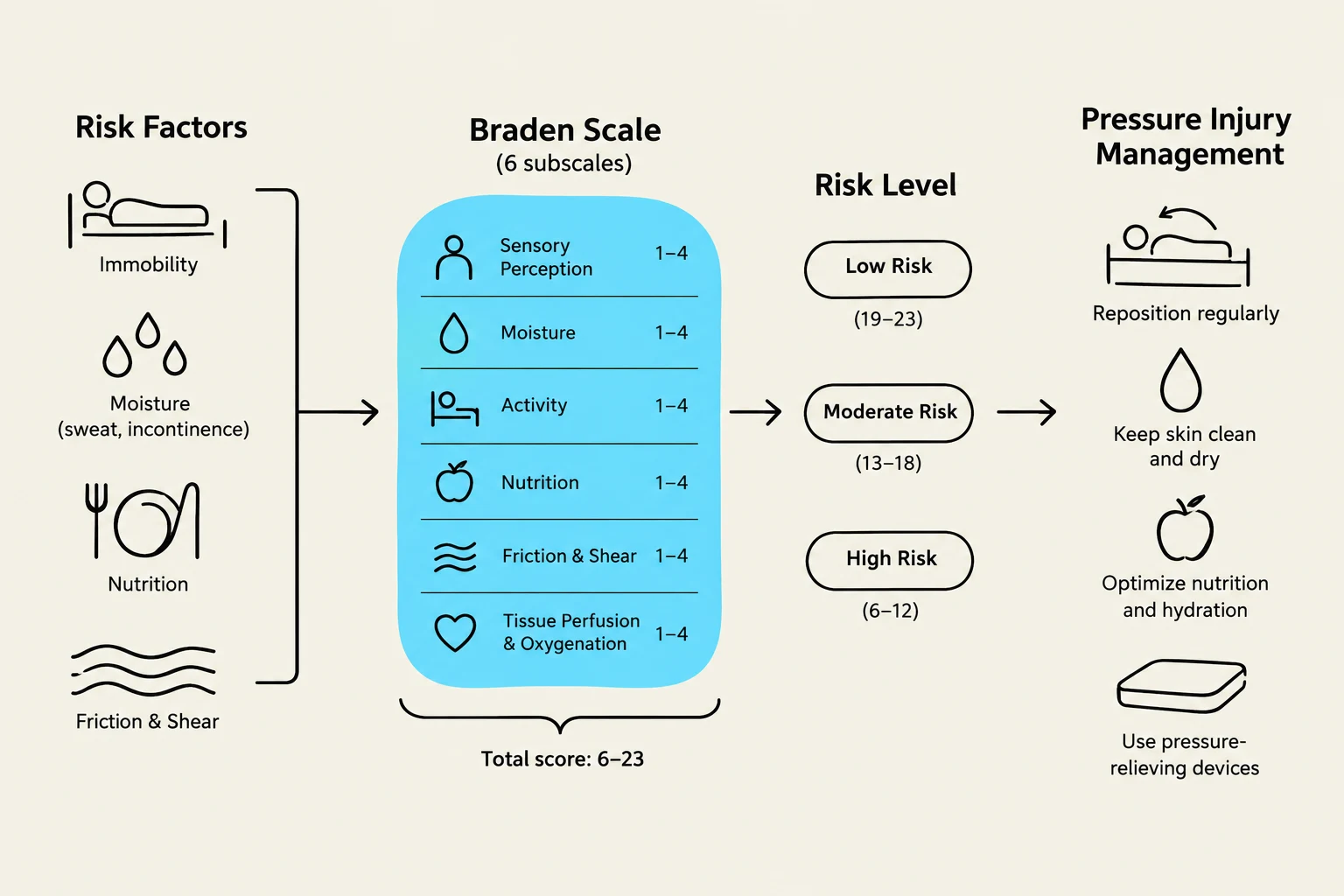
In clinical practice, the integumentary system serves as a vital window into a patient's systemic health. By observing the skin, hair, and nails, healthcare providers can detect early signs of respiratory distress, nutritional deficiencies, and circulatory impairment. Furthermore, proactive assessment of skin integrity is essential for preventing pressure injuries, which can significantly impact patient outcomes and quality of life. This article explores the clinical techniques for nail assessment and the systematic approach to managing pressure injuries.
Nail Assessment: Shape, Color, and Perfusion
Nails are hard plates of keratin that provide protection and can reflect underlying physiological states. A thorough assessment involves inspecting the shape, contour, consistency, and color of the nails, as well as evaluating the underlying nail bed.
Shape and the Profile Sign
When assessing the contour of the nail, clinicians look for the profile sign, which measures the angle of the nail base. A normal nail base angle is approximately .
A significant clinical finding is clubbing, characterized by an angle of or more. In clubbing, the nail base often feels "spongy" to the touch. This physical change is a hallmark sign of chronic hypoxia (low oxygen levels), which is frequently associated with chronic lung diseases or congenital heart disease.

Color and Perfusion
The pink color of a healthy nail comes from the highly vascularized nail bed. Changes in color can indicate serious systemic issues:
- Cyanosis: A bluish discoloration of the nail beds or lips, which may indicate hypoxemia or poor perfusion.
- Pallor: A pale appearance that may suggest anemia or arterial insufficiency.

Keep reading for free.
Create an account to finish this reading and make it part of your study routine.
Continue reading freeAlready have an account? Log in
Updated