


In clinical practice, the integumentary system serves as a vital window into a patient's systemic health. By observing the nails and the skin, healthcare providers can detect early signs of respiratory distress, circulatory insufficiency, and nutritional deficiencies. Furthermore, understanding how to assess and manage pressure injuries is a cornerstone of patient safety, particularly for those with limited mobility. This article explores the clinical techniques for nail assessment and the critical protocols for identifying and staging pressure injuries.
Nail Assessment: Shape, Contour, and Perfusion
Nails are hard plates of keratin that provide protection and can reflect underlying physiological changes. A thorough assessment involves inspecting the shape, consistency, and color, as well as testing peripheral perfusion.
Shape and Contour
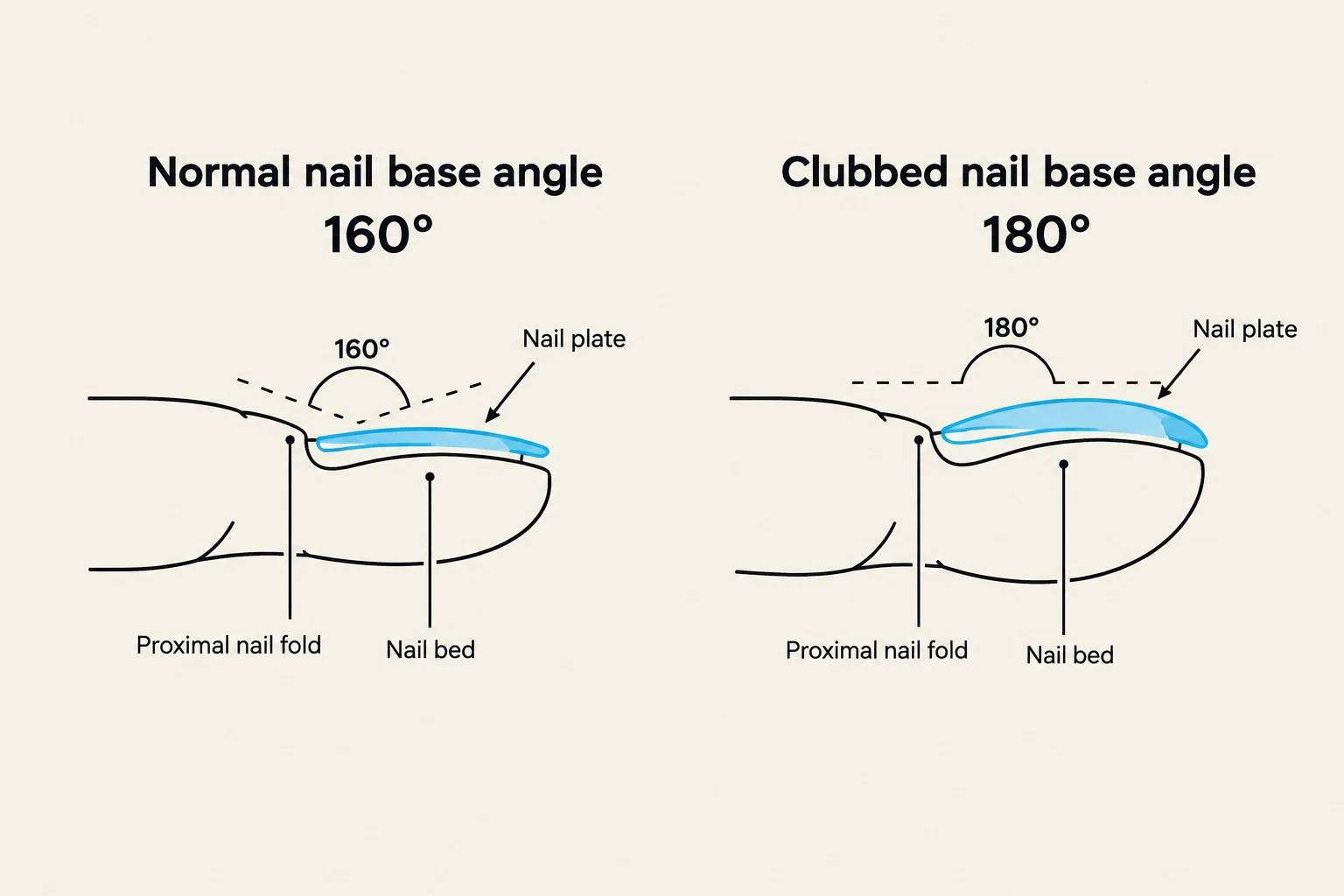
When assessing the nail, clinicians look at the "profile sign" to determine the angle of the nail base. A normal nail base angle is approximately .
A significant clinical finding is clubbing. This occurs when the nail base angle reaches or more, and the nail base feels spongy to the touch. Clubbing is often a sign of chronic hypoxia, which may be related to congenital heart disease or chronic lung disease.
Keep reading for free.
Create an account to finish this reading and make it part of your study routine.
Continue reading freeAlready have an account? Log in
Updated