


The musculoskeletal system is a complex framework of bones, muscles, and joints that provides structure, stability, and mobility to the human body. For healthcare professionals, a thorough assessment is vital to distinguish between normal physiological changes—such as those seen in aging—and pathological conditions like inflammation, degeneration, or injury. A systematic approach ensures that no subtle abnormalities, such as joint effusion or subtle muscle weakness, are overlooked during the clinical examination.
Systematic Assessment Approach
A standard musculoskeletal examination follows a logical progression: inspection, palpation, Range of Motion (ROM), and muscle strength testing.
Inspection and Palpation
The assessment begins with inspection, where the clinician observes the size and contour of the joints, skin color, and the presence of any swelling, masses, or deformities. Following inspection, palpation is used to assess the skin temperature, muscles, bony articulations, and the joint capsule.
Clinical Tip: In a healthy individual, joints should not be tender to palpation. If tenderness is present, the clinician should attempt to localize it to a specific anatomic structure to help differentiate between localized injury and systemic inflammation.
Range of Motion (ROM) and Muscle Strength
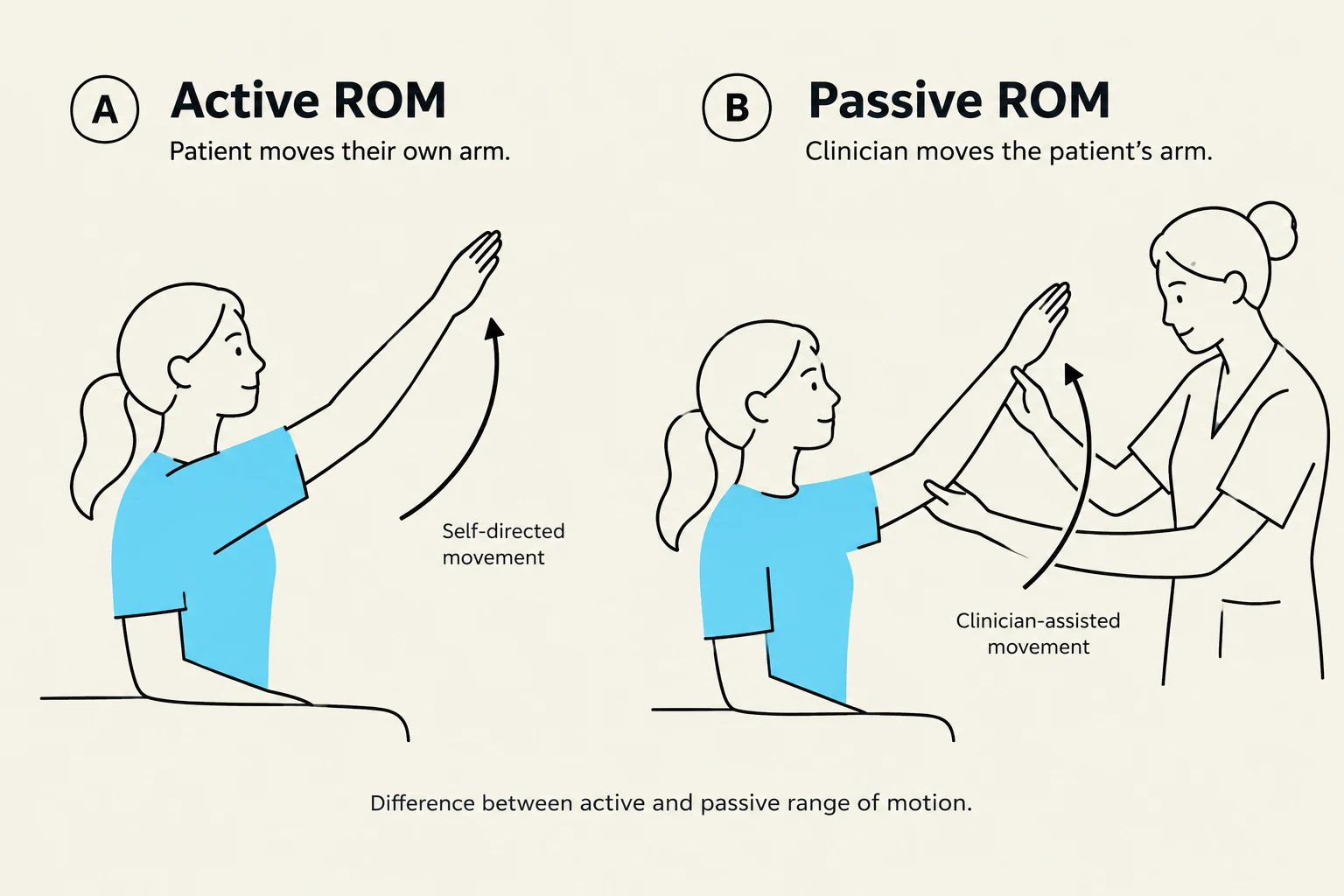
To evaluate muscle strength, the clinician tests the prime mover muscle groups for each joint. The patient is asked to flex and hold a position while the clinician applies an opposing force. Results are typically documented using a standardized grading scale ranging from 0 to 5.


Keep reading for free.
Create an account to finish this reading and make it part of your study routine.
Continue reading freeAlready have an account? Log in
Updated