


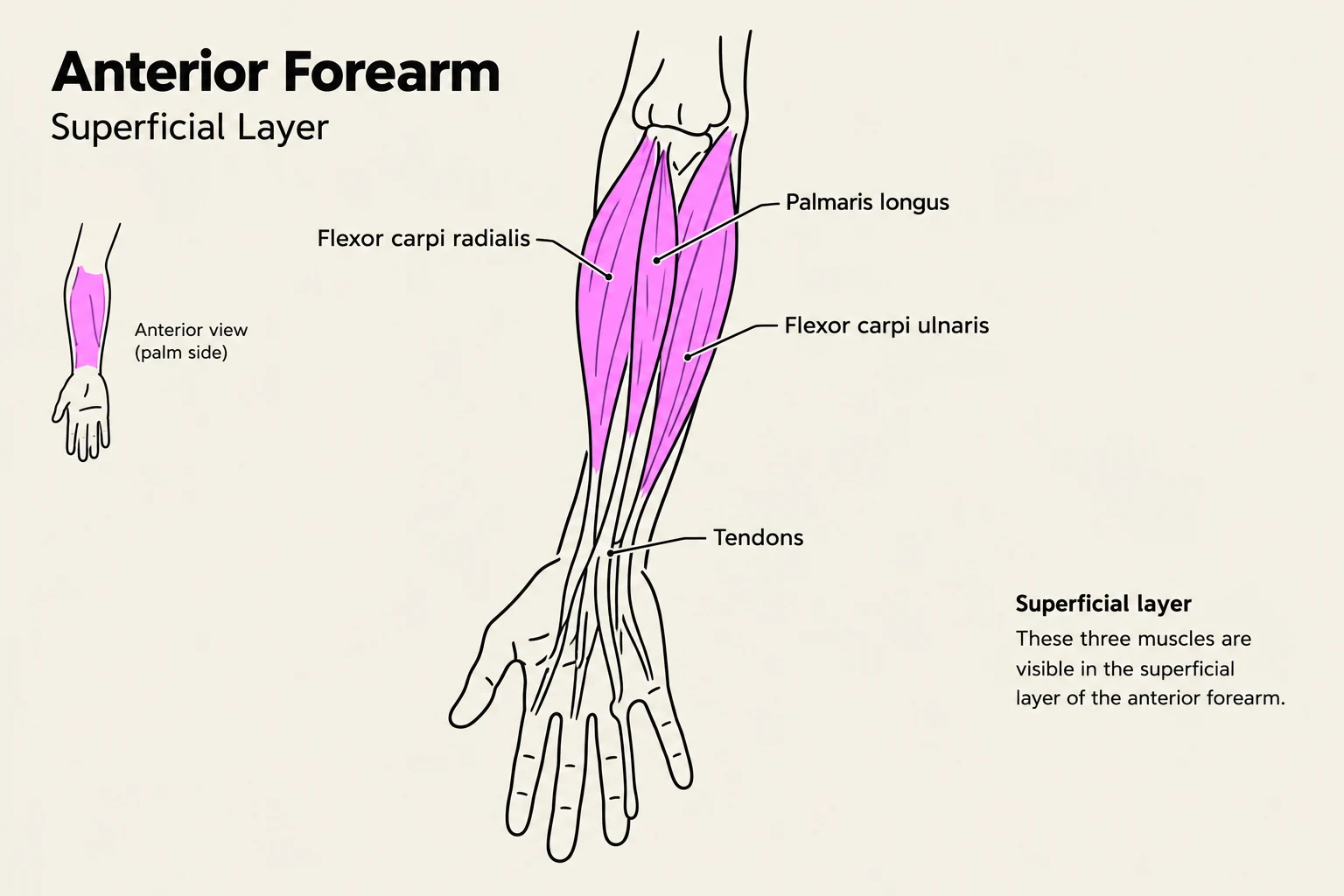
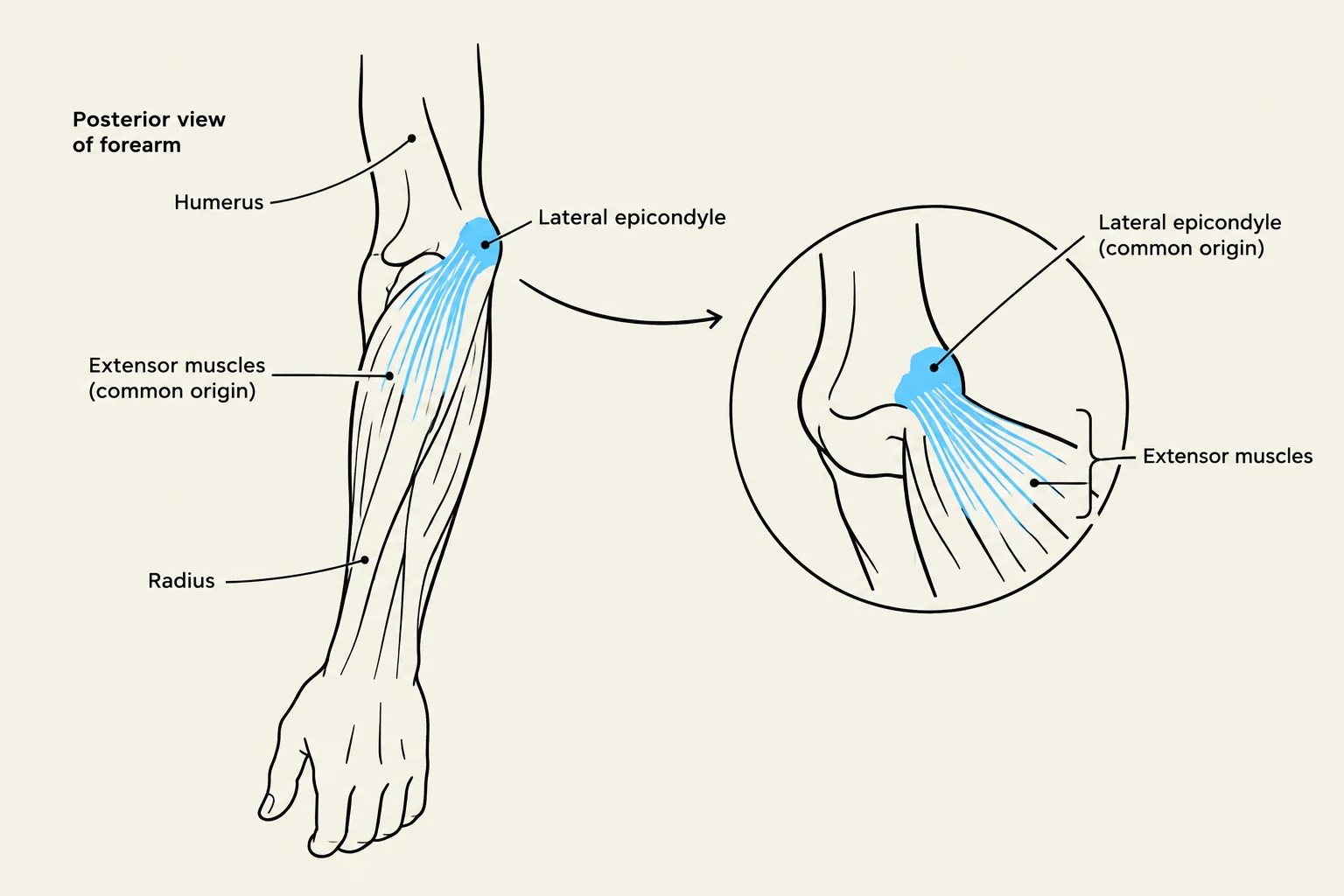
Understanding the movement of the human arm requires a detailed look at the muscles that cross the elbow joint and those that occupy the forearm. These muscles are not just a random collection of tissues; they are highly organized into functional groups based on their anatomical location and the specific movements they produce, such as flexion (bending) or extension (straightening).
To study these muscles effectively, it is helpful to understand three fundamental terms regarding their attachment points:
- Origin: The proximal attachment, which remains relatively stationary during movement.
- Insertion: The distal attachment, which moves toward the origin during contraction.
- Action: The primary movement produced by the muscle.
Elbow Movers: Flexion and Extension
The elbow joint is primarily manipulated by two groups of muscles: the anterior movers (flexors) and the posterior movers (extensors). These muscles act as agonists (prime movers) or antagonists to facilitate smooth, controlled motion.
Anterior Elbow Movers (Flexors)
The primary goal of the anterior elbow muscles is to decrease the angle of the elbow joint.
Biceps brachii is a prominent muscle with two distinct heads. The long head originates from the supraglenoid tubercle of the scapula, while the short head originates from the coracoid process of the scapula. It inserts at the radial tuberosity and the biceps aponeurosis. Its primary actions are to flex the forearm and to supinate the forearm (turning the palm upward), especially when the elbow is already flexed.
Brachialis lies deep to the biceps brachii. While the biceps is more visible, the brachialis is identified as the most powerful flexor of the forearm.
Keep reading for free.
Create an account to finish this reading and make it part of your study routine.
Continue reading freeAlready have an account? Log in
Updated