- Strategic Agents: MNEs have the managerial capacity, global outreach, and financial resources to diffuse sustainable practices across borders.
- Implementation Leaders: Because MNEs control vast global value chains, their internal policies can influence standards for thousands of suppliers and subsidiaries.
Despite this potential, MNE engagement has often been criticized as reactive or marginal. Many firms struggle to move beyond traditional Corporate Social Responsibility (CSR)—which often focuses on philanthropic or defensive measures—toward a more integrated approach to the SDGs.
Exam Tip: When analyzing MNE behavior, distinguish between CSR (often seen as a cost or a way to manage reputation) and SDG Alignment (which involves integrating global goals into the core business strategy to create value).
From CSR to Creating Shared Value (CSV)
A major theme in contemporary International Business (IB) scholarship is the transition from viewing sustainability as a compliance cost to viewing it as a source of competitive advantage. This is best exemplified by the concept of Creating Shared Value (CSV).
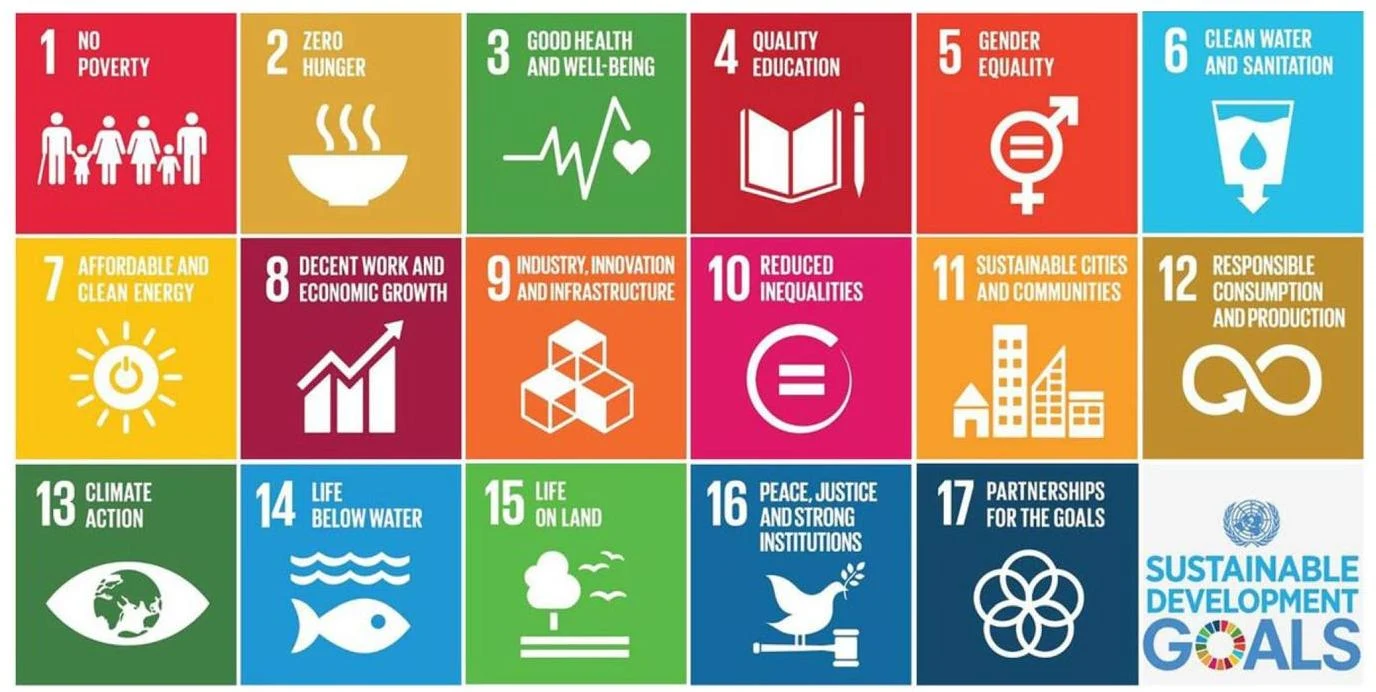
Rather than simply "doing good" through donations, CSV involves aligning business strategies with societal needs. For example, an MNE might invest in improving the agricultural techniques of its small-scale suppliers. While this helps achieve SDG 2 (Zero Hunger) and SDG 8 (Decent Work and Economic Growth), it also secures a more stable, high-quality supply chain for the MNE itself.
This approach is often framed through the Triple Bottom Line, where success is measured not just by profit, but by social and environmental impact. By adopting sustainable business models, MNEs can turn "wicked problems"—complex, interconnected challenges like climate change—into opportunities for innovation.
Institutional Theory and Global Governance
Scholars use institutional theory to understand how MNEs navigate the complex web of global norms and local regulations. Because the SDGs are voluntary, MNEs must navigate "institutional voids" in developing countries where enforcement mechanisms are weak.
To address this, the world is moving toward polycentric or hybrid governance. This model suggests that global sustainability cannot be achieved by governments alone; it requires a coordinated effort between:
- International Organizations (e.g., the UN)
- Governments (providing regulation and incentives)
- MNEs (implementing practices and driving innovation)
- Civil Society/NGOs (providing oversight and advocacy)
This hybrid approach allows for "synergistic alignment," where different international initiatives (such as China's Belt and Road Initiative and the UN SDGs) can converge to create more effective development outcomes.
Challenges: Greenwashing and Measurement
The path to 2030 is fraught with significant hurdles. One of the most prominent is greenwashing, where companies provide biased or superficial information about their ESG (Environmental, Social, and Governance) performance to safeguard their reputation. Because much of the disclosure is voluntary and unaudited, it can be difficult for investors to distinguish between genuine impact and mere marketing.
Furthermore, there is an "unprecedented statistical challenge" in measuring the SDGs. Many of the 231 indicators lack standardized methodologies or are not regularly compiled by national statistics offices. Without accurate, comparable data, it is difficult for MNEs to track their progress or for researchers to assess the true impact of corporate actions.
Conclusion: The Future of IB Research
The direction of International Business research is shifting toward how MNEs can move beyond mere compliance to become active agents of change. While IB scholarship is still in its early stages regarding the SDGs, the focus is moving toward:
- Business Model Innovation: How to build companies that solve societal problems profitably.
- Inclusive Development: Ensuring that the benefits of MNE activity reach Small and Medium-sized Enterprises (SMEs) within global value chains.
- Effective Metrics: Developing rigorous, non-financial measurement standards to combat greenwashing.
Ultimately, the success of the 2030 Agenda depends on whether MNEs can successfully internalize the SDGs, transforming them from external "goals" into internal "strategies".