


The human upper limb is a masterpiece of biological engineering, designed for a high degree of freedom and precision. Unlike the lower limbs, which are primarily built for stability and weight-bearing, the upper limb is optimized for mobility, allowing for tasks ranging from powerful striking to delicate fine motor skills like buttoning a shirt. This mobility is achieved through the synergistic action of several key joints: the scapulothoracic joint, the glenohumeral joint, the elbow joint, the radio-ulnar joint, and the wrist joints.
The Glenohumeral Joint: Maximum Mobility
The glenohumeral joint (the shoulder joint) is the most proximal articulation of the free upper limb. Because it allows the arm to move around three different axes, it possesses an exceptionally wide range of motion.
Primary Movements
The movements at this joint can be categorized into several planes:
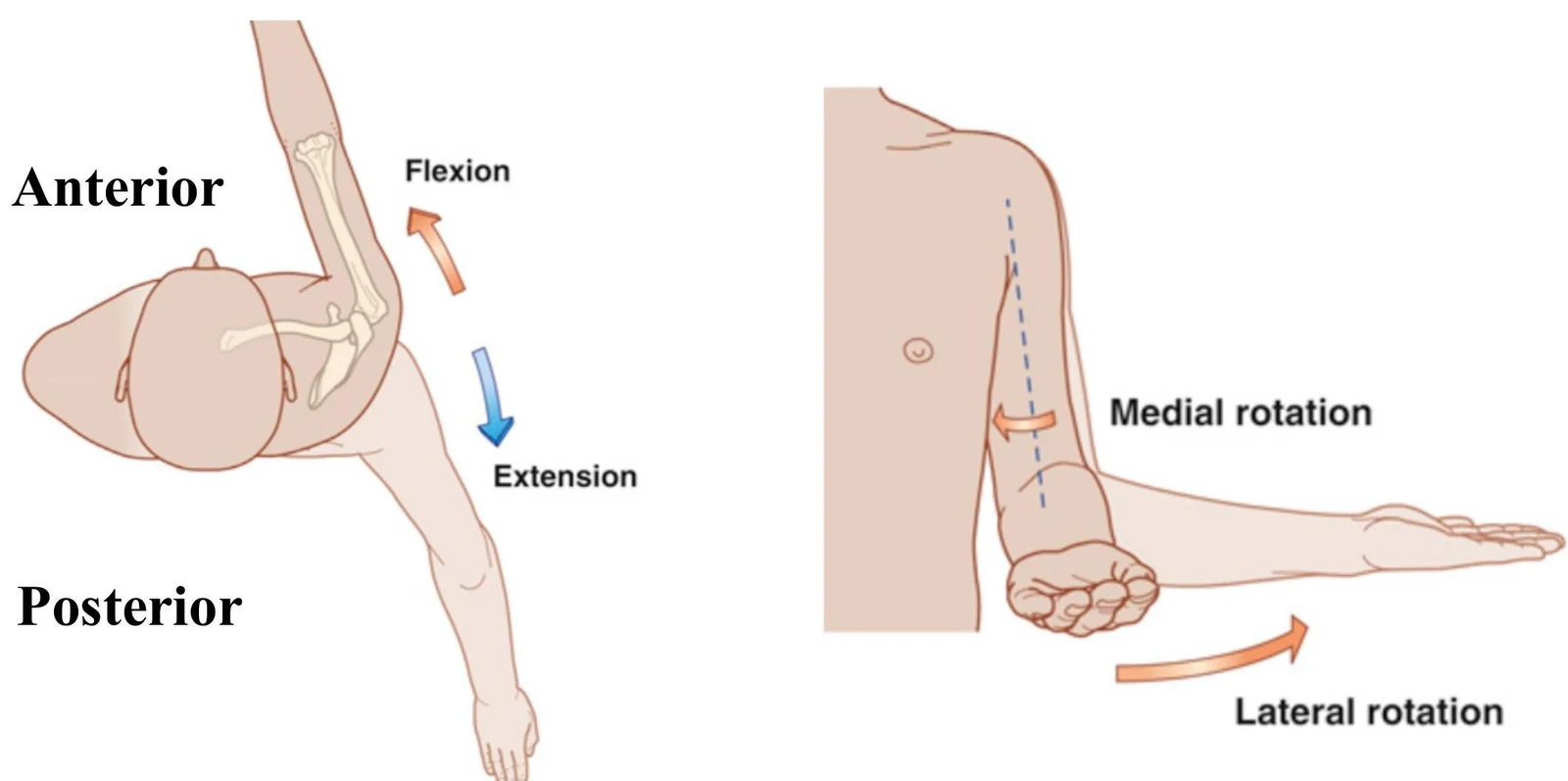
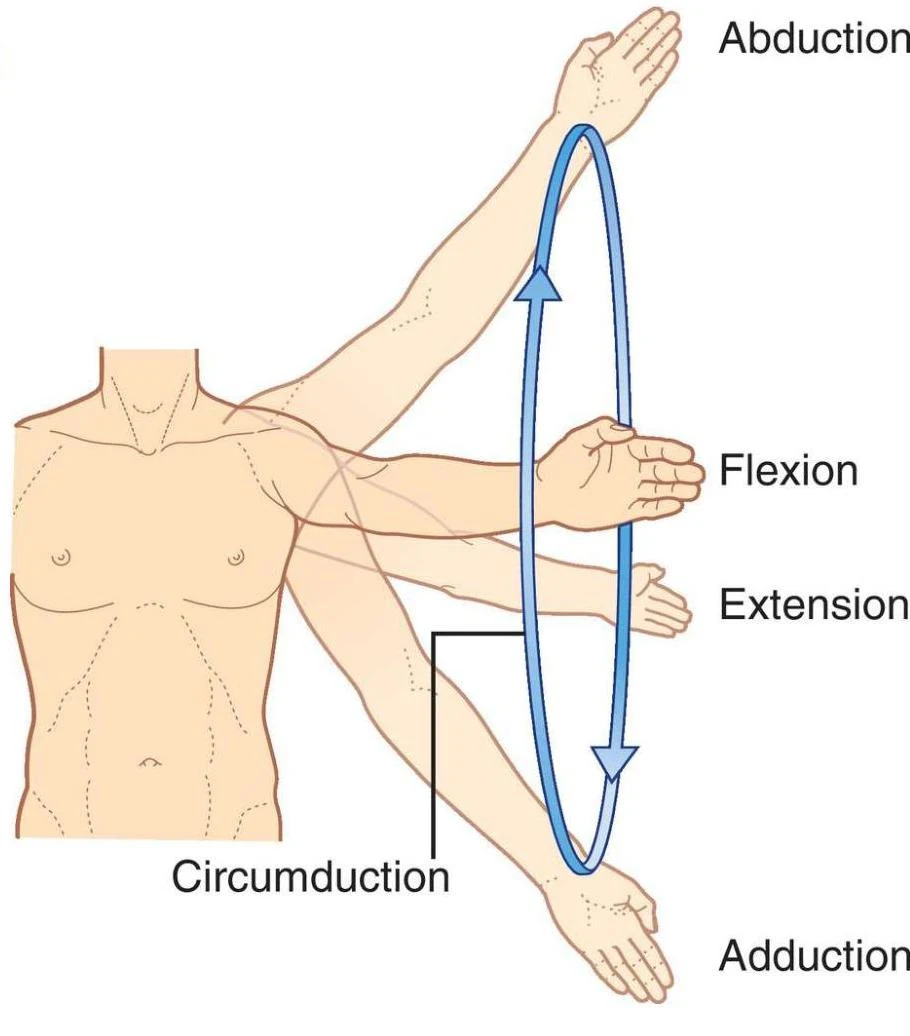
- Flexion and Extension: Flexion involves raising the arm forward, while extension involves moving the arm posteriorly (behind the body).
- Abduction and Adduction: Abduction is the movement of lifting the arm outwards away from the midline of the body, whereas adduction is bringing the arm back down toward the side of the body.
- Medial and Lateral Rotation: These involve rotating the humerus around its longitudinal axis. Medial rotation is also known as internal rotation, and lateral rotation is known as external rotation.
Keep reading for free.
Create an account to finish this reading and make it part of your study routine.
Continue reading freeAlready have an account? Log in
Updated