


Mastering the mechanics of the upper extremity is a cornerstone of clinical kinesiology. For students preparing for the Human Function Exam 1, success depends on more than just memorizing muscle names; it requires an understanding of how specific muscles act as prime movers to facilitate functional movement, how they are innervated by the nervous system, and how they interact within complex kinetic chains.
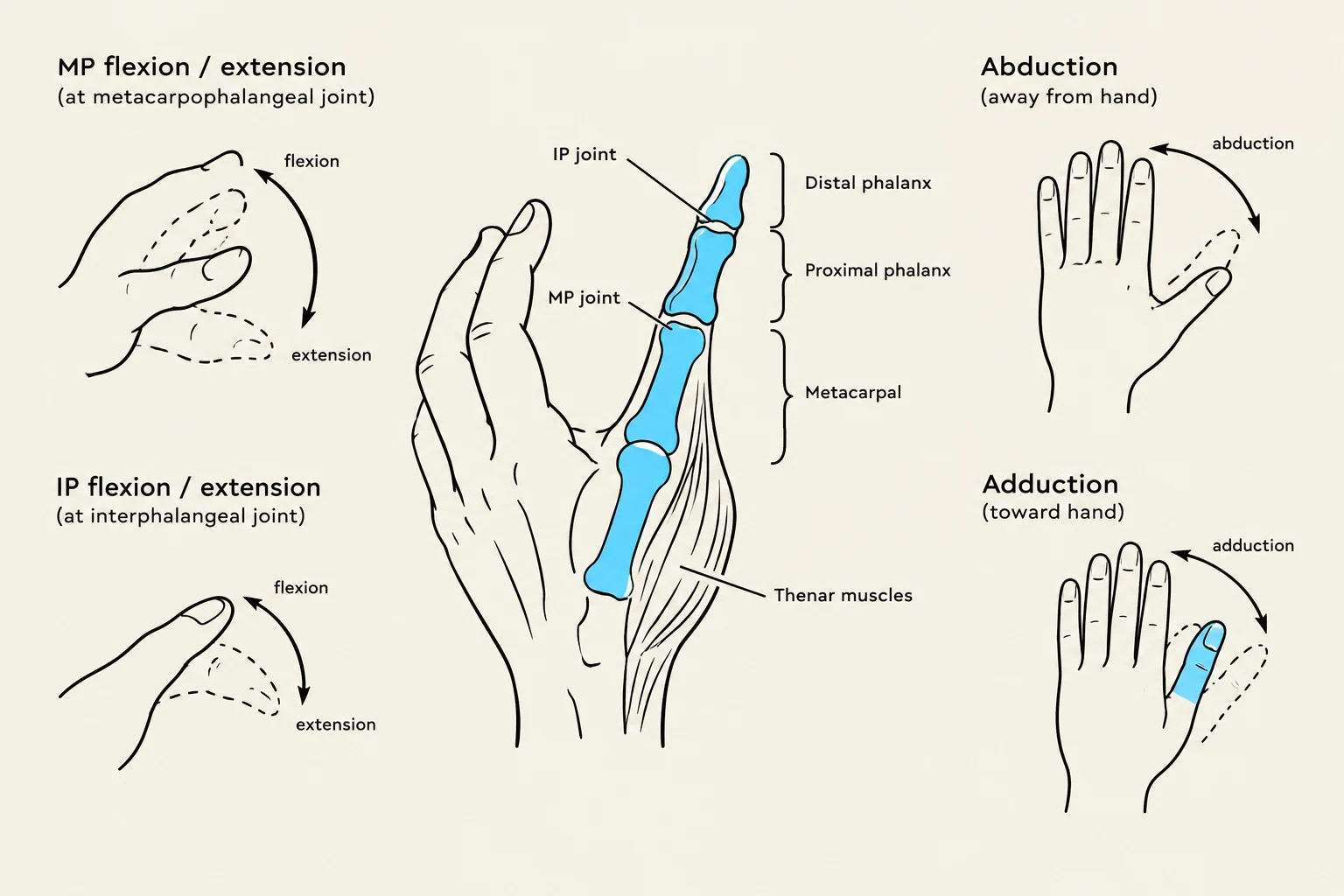
This guide focuses on the specific muscular drivers for the scapula, fingers, and thumb, providing a structured review of the motions and prime movers essential for clinical application.
Scapular Kinematics and Elevation
The scapula serves as the foundational platform for all upper limb movement. Its ability to move in various planes allows for the stability and mobility required for tasks ranging from lifting heavy objects to fine motor manipulation.
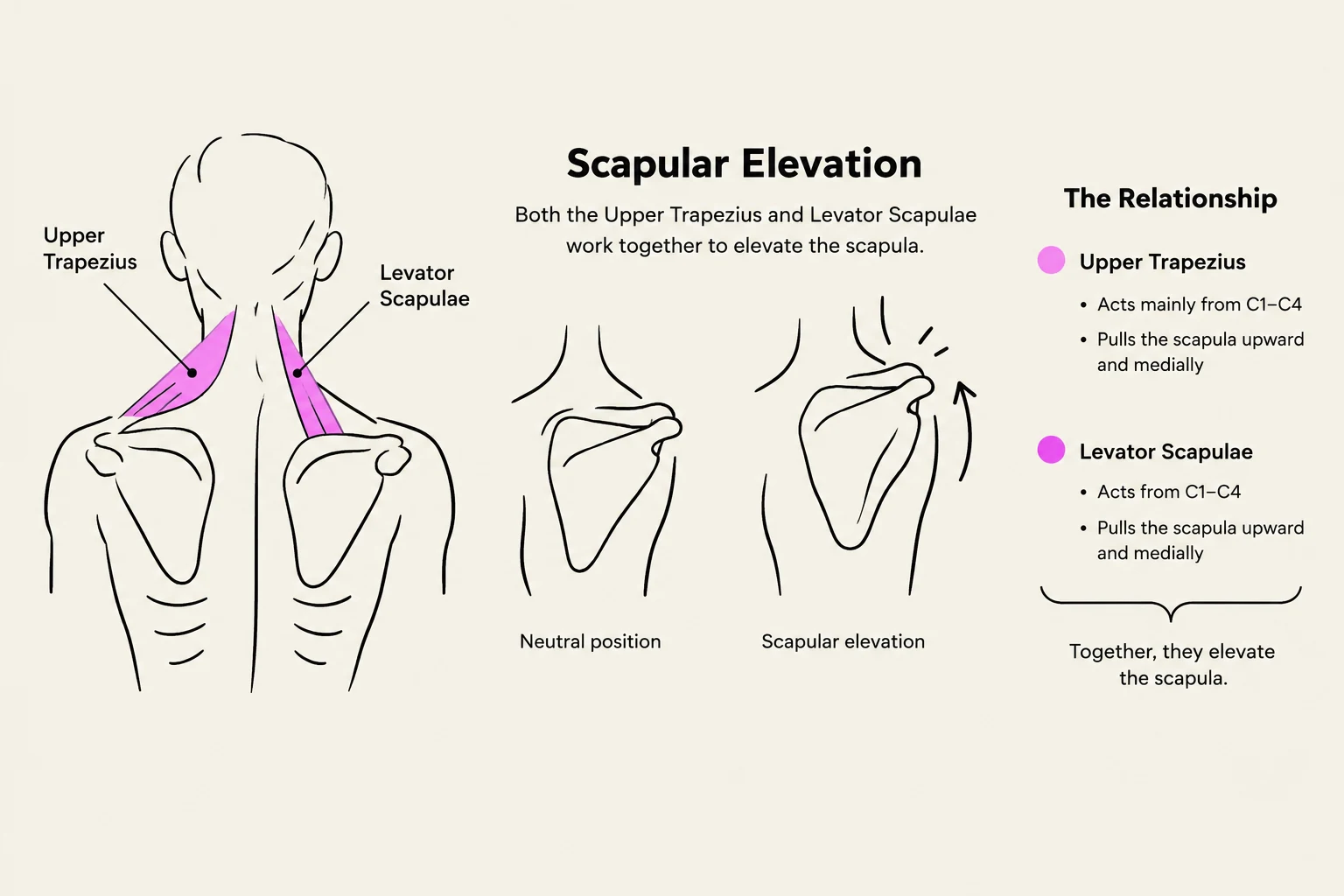
One of the primary motions of the scapula is elevation, which is the upward movement of the scapular body. This motion is driven by a specific group of muscles acting as prime movers.
Scapular Elevation Prime Movers
To achieve elevation, the following muscles must contract:
- Upper Trapezius
- Levator Scapula
Exam Tip: When studying scapular movement, remember that "combined motions" like protraction and retraction are often the result of multiple muscles working together. Pay close attention to force couples, which are groups of muscles that work together to produce a specific rotation, such as upward or downward rotation of the scapula.
Keep reading for free.
Create an account to finish this reading and make it part of your study routine.
Continue reading freeAlready have an account? Log in
Updated