


Mononucleosis, colloquially known as the "kissing disease," is a clinical syndrome most frequently caused by the Epstein-Barr Virus (EBV). While it can affect individuals of any age, it is most prevalent among pre-teens and teenagers. Characterized by an insidious onset, the disease often presents as a constellation of systemic and localized symptoms that can mimic other infectious processes, such as Group A Beta-Hemolytic Strep (GABHS) pharyngitis.
Clinical Presentation
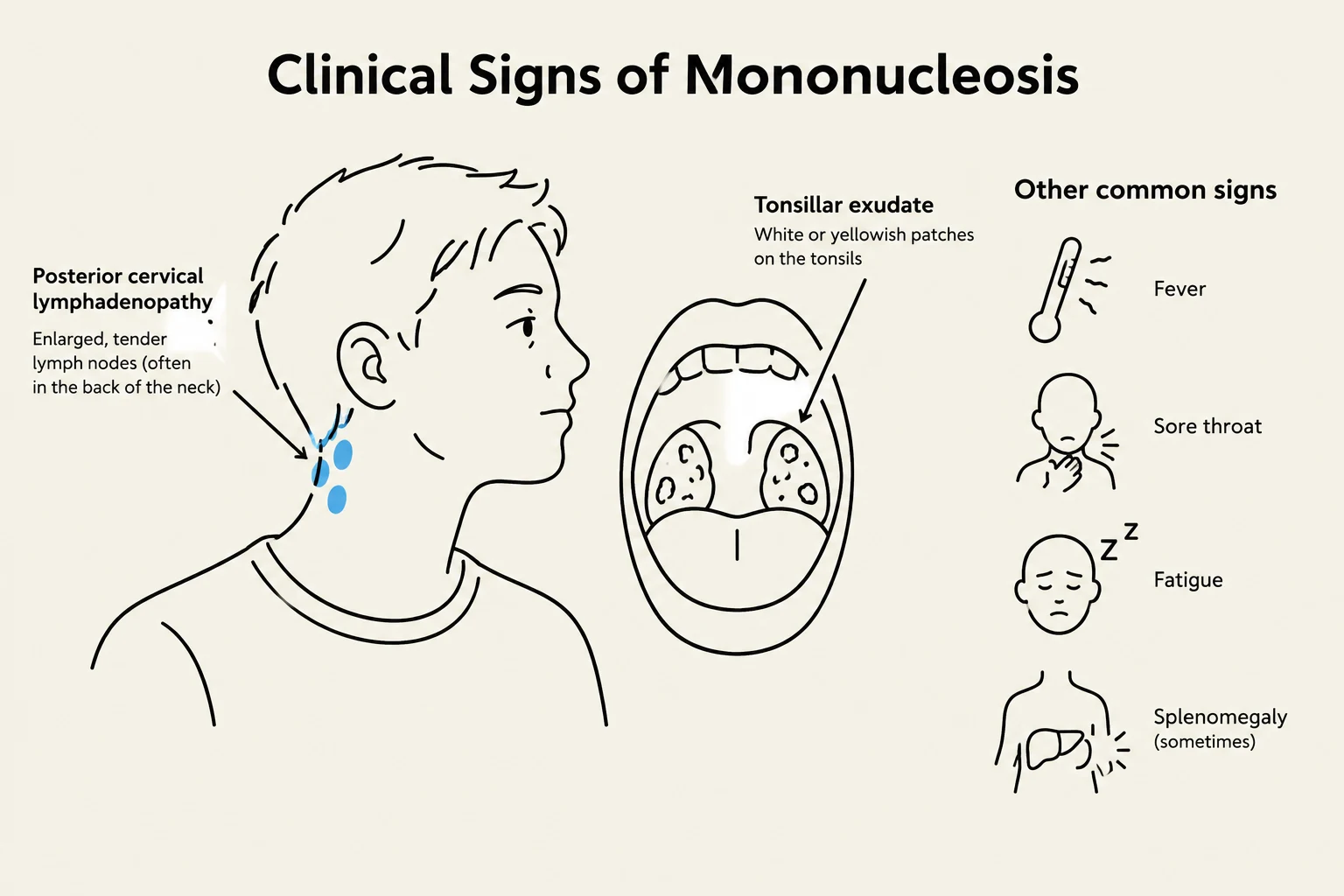
The classic presentation of infectious mononucleosis involves a triad of fever, fatigue, and a severe sore throat. Upon physical examination, clinicians should look for several hallmark findings:
- Tonsillar Exudate: Unlike many viral pharyngitis cases which show minimal exudate, mononucleosis is frequently associated with significant tonsillar exudate.
- Lymphadenopathy (LAD): Patients often exhibit marked lymphadenopathy, specifically involving the posterior cervical chain. This differs from the anterior cervical adenopathy typically seen in Strep throat.
- Hoagland Sign: A transient swelling or edema of the upper eyelids.
- Splenomegaly: An enlarged spleen occurs in approximately 50% of cases.
- Other Signs: Patients may also present with soft palate petechiae, uvular edema, or a maculopapular rash.
Clinical Pearl: If a patient with suspected mononucleosis is mistakenly treated with ampicillin, they may develop a characteristic maculopapular rash. While this was historically common, it is reported less frequently in recent years.
Diagnostics and Laboratory Profiles
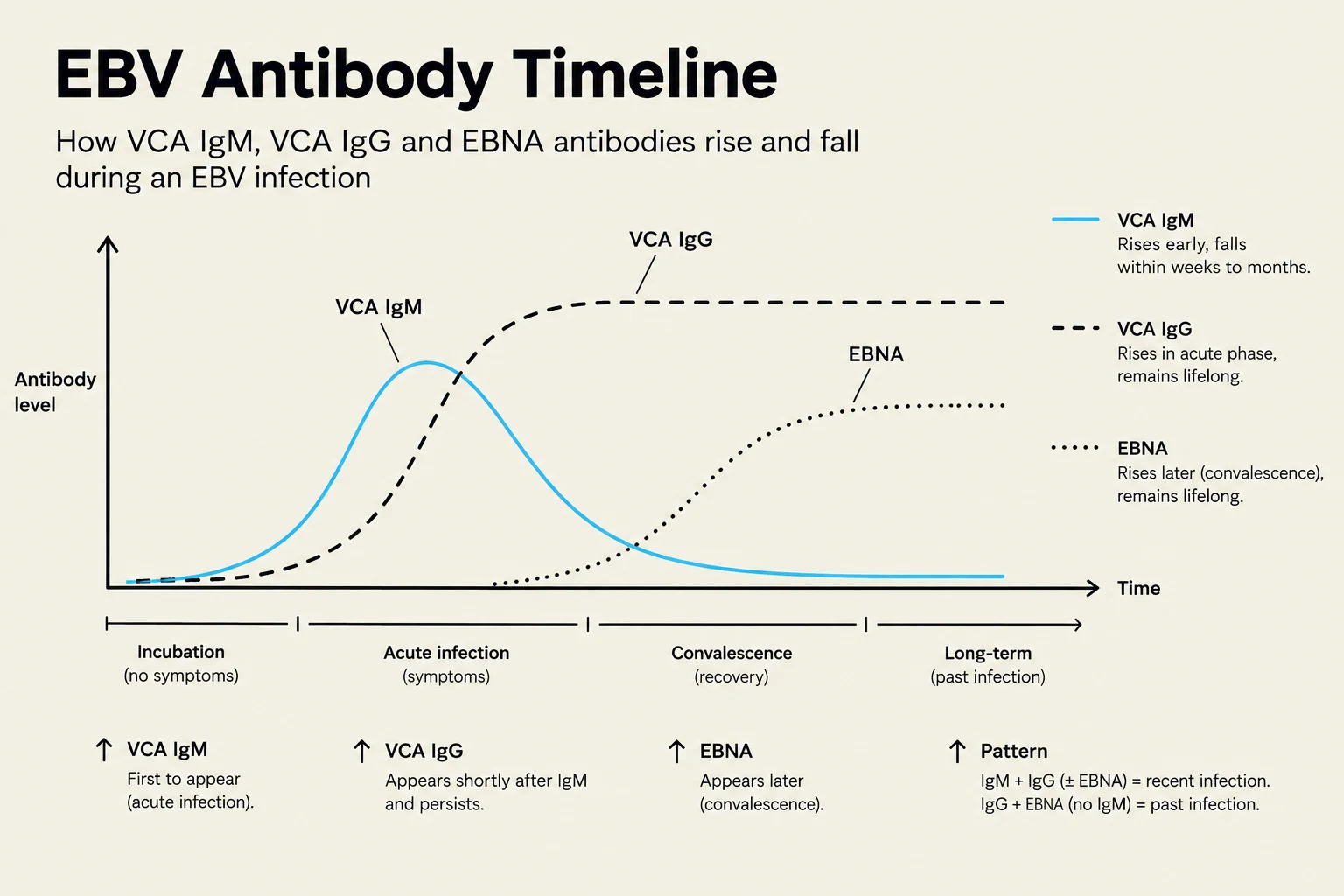
The diagnostic journey for EBV typically begins with a blood profile. The progression of white blood cell counts is a key indicator:
Keep reading for free.
Create an account to finish this reading and make it part of your study routine.
Continue reading freeAlready have an account? Log in
Updated