


In the complex landscape of the bone marrow, a silent struggle for energy occurs between healthy cells and malignant ones. Acute myeloid leukemia (AML) is a devastating malignancy of the hematopoietic cells, characterized by the uncontrolled growth and impaired differentiation of myeloid progenitor cells. While most cancers focus on altering genetic blueprints, AML cells employ a sophisticated metabolic strategy: they actively manipulate their microenvironment to "hijack" the energy-producing machinery of neighboring healthy cells.
The Metabolic Engine: Mitochondria and ATP
To understand how AML cells thrive, one must first understand the role of the mitochondrion. Mitochondria are the primary source of energy production in the cell, acting as the site for cellular respiration. They are highly specialized organelles composed of an outer membrane, an inner membrane (folded into structures called cristae), an intermembrane space, and an internal matrix.
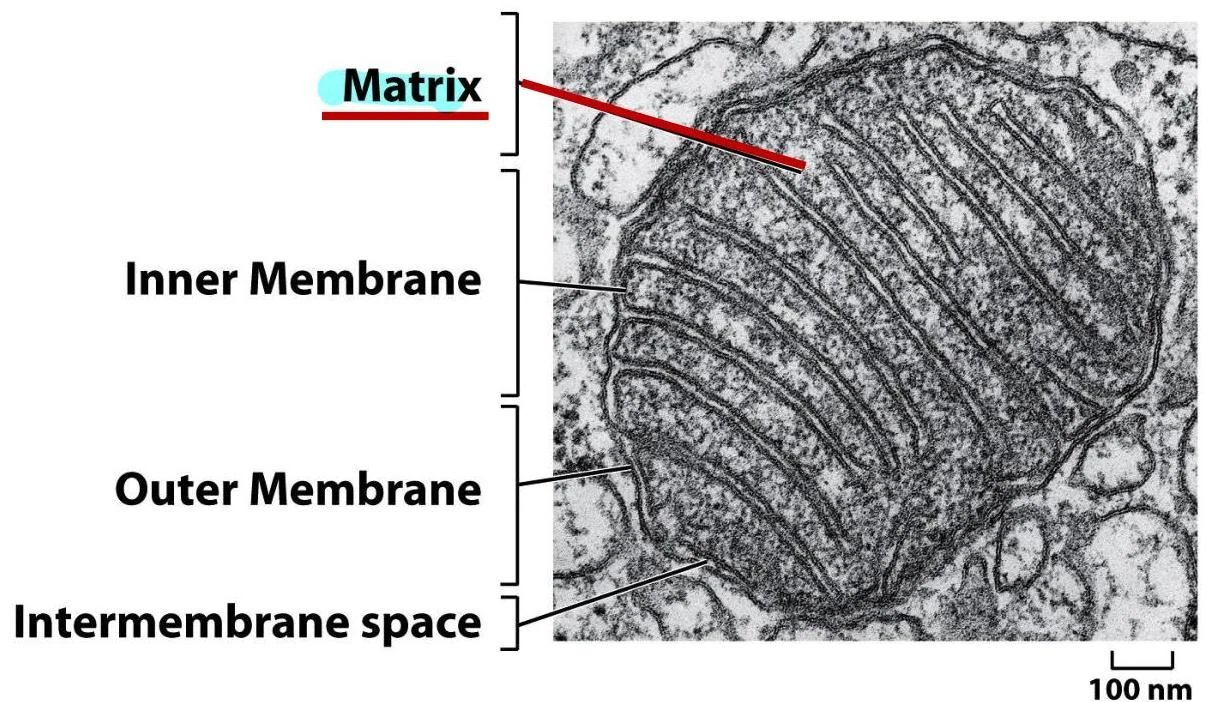
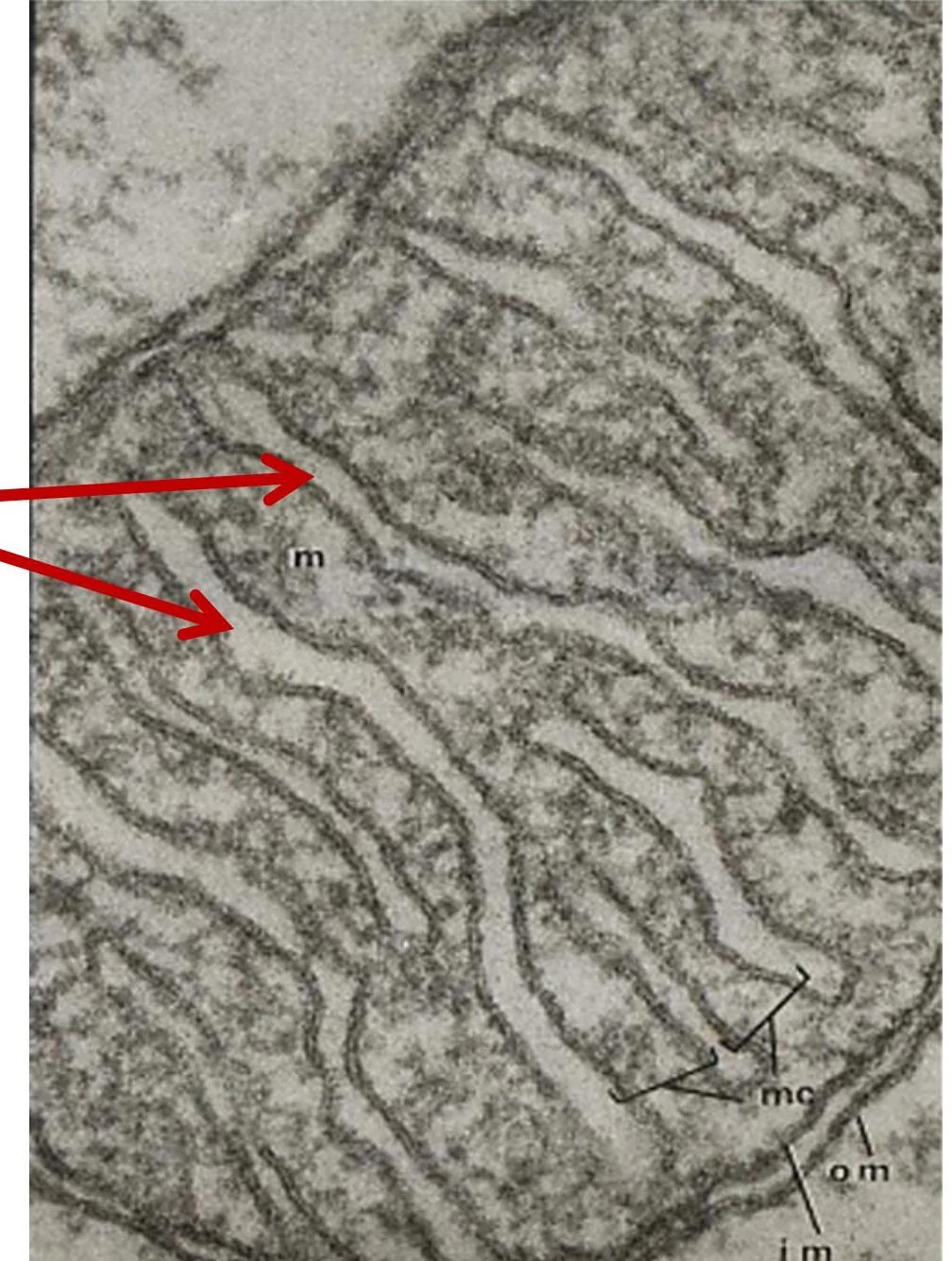
The primary goal of mitochondrial activity is the production of ATP (Adenosine Triphosphate), the universal energy currency of the cell. Through the oxidation of substrates like pyruvate and fatty acids within the matrix and the use of enzymes in the respiratory chain located on the inner membrane, cells generate the ATP necessary for survival, growth, and division.
In a healthy state, mitochondrial density and activity are tightly regulated to meet the specific needs of a tissue. However, AML cells exhibit a defining metabolic abnormality: they possess significantly higher levels of mitochondria and increased mitochondrial activity compared to nonmalignant cells. This provides them with a distinct energetic advantage for rapid proliferation.
Keep reading for free.
Create an account to finish this reading and make it part of your study routine.
Continue reading freeAlready have an account? Log in
Updated