


Migraine headaches are more than just intense head pain; they are complex neurological events characterized by specific physiological changes in the brain and blood vessels. For healthcare providers, understanding the transition from nerve activation to vascular changes is essential for selecting the correct pharmacological intervention. This article explores the underlying mechanisms of migraines and the clinical application of sumatriptan, a cornerstone of acute migraine management.
The Pathophysiology of Migraine
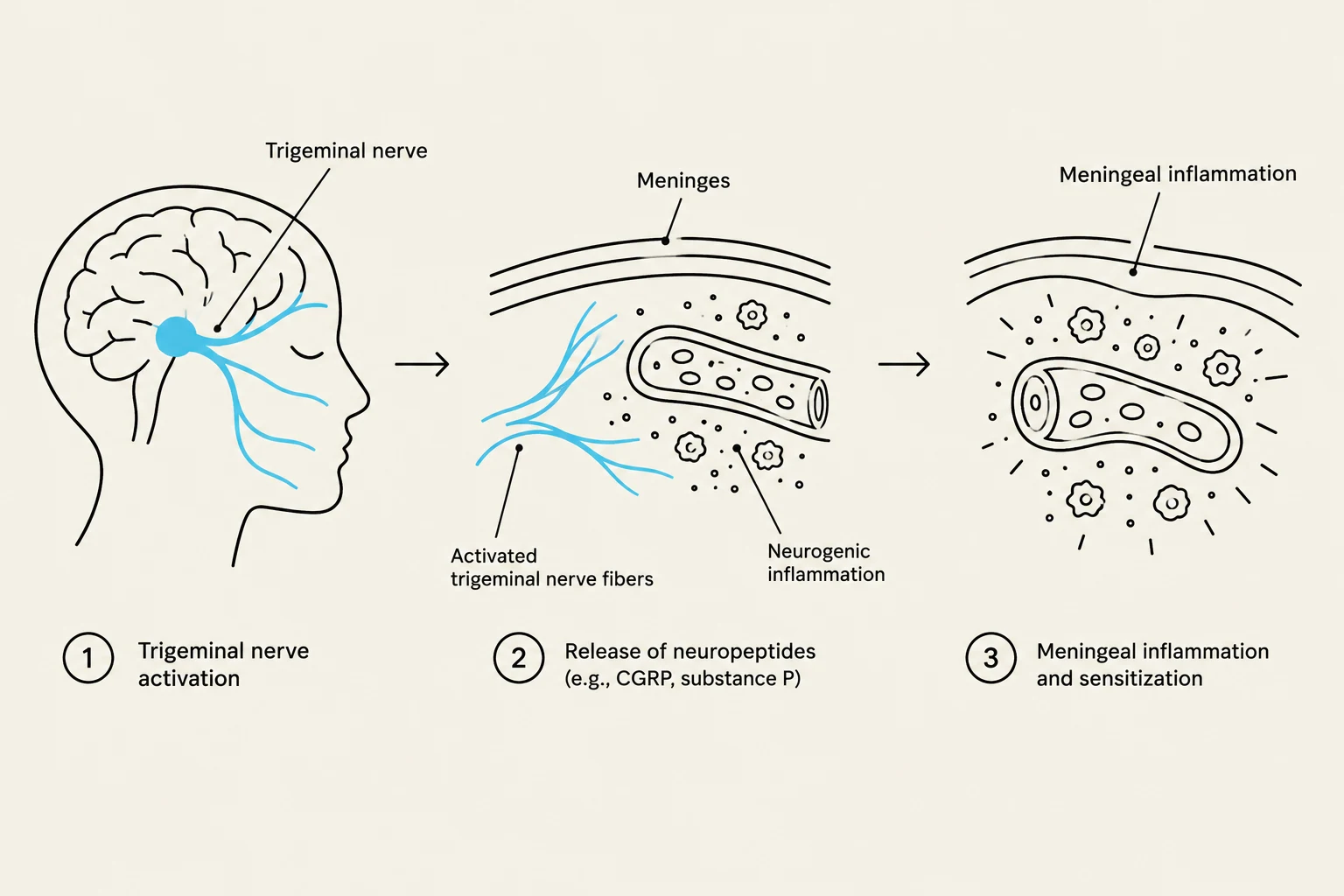
The biological basis of a migraine involves a cascade of events starting with the nervous system and ending with vascular changes. The primary driver is the activation of the trigeminal nerve, which is a major sensory pathway for the face and head. When this nerve is activated, it triggers an inflammatory response within the meningeal blood vessels (the protective membranes covering the brain).
A hallmark of this process is vasodilation. During a migraine attack, the blood vessels within the meninges increase in diameter (dilate), which in turn activates pain receptors. This physiological shift results in the characteristic severe, throbbing, and often unilateral (one-sided) pain associated with the condition.
Classifying Migraines: Common vs. Classic
Not all migraines present in the same way. Clinicians distinguish between them based on the presence of neurological disturbances:
- Common Migraine: Characterized primarily by the intense headache, often accompanied by nausea, vomiting, and sensitivity to light (photosensitivity).
- Classic Migraine: These are distinguished by the presence of an aura. An aura is a sensory or motor disturbance—such as visual flashes, tingling, or difficulty speaking—that typically occurs approximately 30 minutes before the onset of the headache pain.
Keep reading for free.
Create an account to finish this reading and make it part of your study routine.
Continue reading freeAlready have an account? Log in
Updated